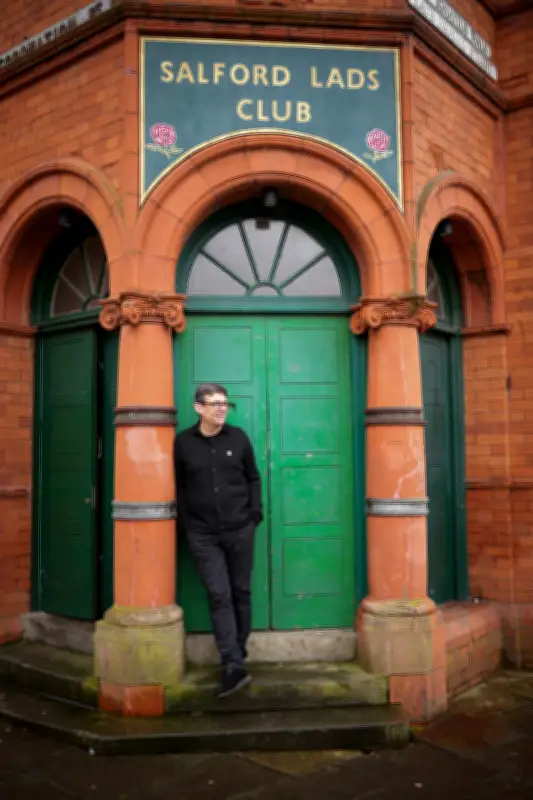
Andy Burnham, the Greater Manchester mayor, has placed music at the core of his political identity, using it to soundtrack his Makerfield byelection campaign and even enlisting Liam Gallagher for tram announcements. His approach, dubbed 'Manchesterism,' blends cultural advocacy with policy, but questions remain about its tangible benefits for the music industry.
Music as a Political Tool
Burnham's campaign launch video featured homegrown bands like Oasis, Elbow, and James. His campaign logo, 'Change Labour, Keep the Faith,' evokes northern soul. He proposes business rates cuts for music venues, aiming to boost the sector. This strategy is unusual for a mainstream politician, but Burnham believes music is key to Manchester's identity and healing, especially after the 2017 Arena bombing.
Soft Power and Policy
Rose Marley, co-founder of Beyond the Music, notes Burnham's understanding of soft power. He sees parallels with the Madchester era and aims to recreate its ecosystem. Collaborations include bringing the Brit Awards and MOBOs to Manchester's Co-op Live arena, with Burnham's support cited as crucial. His personal music fandom helps build connections, as Guy Dunstan of Co-op Live highlights.

Challenges and Criticisms
Despite his popularity, some question the benefits of Manchester's property-led boom, which has driven up rents. A controversy arose in 2018 when Burnham appointed Sacha Lord as Night Time Economy Adviser. Lord resigned in 2025 over an Arts Council grant issue, but Burnham stood by him. Journalist Jack Dulhanty suggests a personal friendship influenced Burnham's support.
Future Ambitions
Burnham's campaign aims to return to Westminster and potentially lead the Labour Party. His everyman image, inspired by local musicians, resonates with voters. As polls close on June 18, the music industry watches closely, hoping Burnham becomes a strong advocate in No 10. Elbow's Guy Garvey expresses hope for Burnham's progressive leadership.