Fishworm: A Seven-Year Scavenger Hunt Uncovers Rural Maine's Hidden Histories
For the past seven years, photographers Pia Paulina Guilmoth and Jesse Bull Saffire have embarked on a remarkable scavenger hunt within a 60-mile radius of their home in rural central Maine. Their journey has taken them to abandoned houses slowly succumbing to the earth, mould-streaked cardboard boxes, and a hunting camp at the end of a remote road. Among their finds was a politician's discarded gay porn collection and a junk shop nestled beside a waterfall, each location offering fragments of lives slipping out of memory.
A Peculiar Portrait of Home
The duo's new book, Fishworm, published by Void, collects this eclectic material alongside photographs they took while scavenging and images from Pia's own family archive. The project began during a brutally cold winter when, feeling stir-crazy, they sorted through overflowing boxes of junk accumulated over years. Using an old Xerox machine found outside a fire station on a local holiday called Heavy Dump Day, they scanned and printed over 500 photos, reviving Pia's early passion for scrappy Xerox zines from 2011.
Halloween Chaos and Forgotten Moments
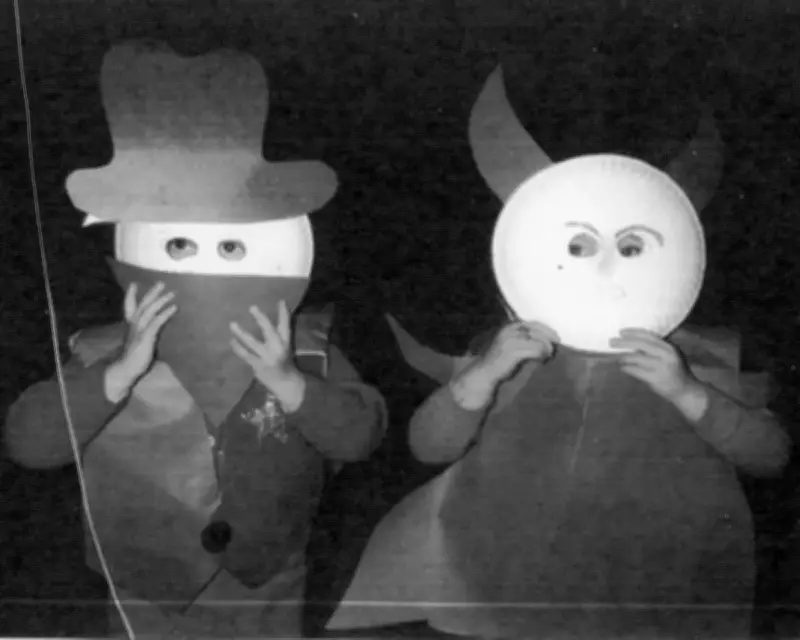
Among their favourite discoveries are family Halloween photographs, showcasing scrappy homemade costumes or actual horror imagery. In an era of hyper-surveillance, they cherish the chaos and mischief of childhood Halloween experiences, imagining it still exists in hidden corners. The book also includes a dozen photographs taken with small 8mpg digital cameras during late-night excursions, capturing friends cooling off in rivers, houses they sneaked into, and serene nature scenes.

Unearthing Startling Stories
One of the most startling finds came from digging through archives in a deceased paper mill worker's home: stained old newspapers recounting a mid-1900s flood. The story described a cow picked up by rushing waters and wedged 15 feet above ground between tree branches—a tale that resonates as their back windows face the same river, witnessing annual spring floods. Another poignant image features Pia's grandfather hacking away at a deer in the basement, the photograph damaged by water, symbolising the soggy, stubborn survival of these histories.
The Meaning Behind Fishworm
The title Fishworm originates from a 1960s women's magazine classified ad found at a yard sale, reading "earn money raising fishworms for us". The name also evokes a parasite living in water and mud, reflecting the endless, hidden histories left behind in this region. With rural areas like central Maine often overlooked in headlines, physical history is preserved here due to limited expansion, leaving abandoned places and belongings on the landscape.
A Chaotic Chronicle of Ordinary Lives
In their hands, the cast-offs of rural Maine transform into a jumbled chronicle—a history that never asked to be preserved yet survived against the odds. Fishworm serves as a chaotic regurgitation of forgotten, often secret stories told through the perspectives of ordinary people and their belongings. Some photographs may not have been taken in Maine but travelled here with someone, prompting reflections on what leaving home to find a new home meant to those individuals.
This project highlights how every place has an untold history, with rural regions ripe for exploration. Through their seven-year odyssey, Guilmoth and Saffire have painted a peculiar portrait of their home, revealing the real, raw essence of a community often hidden from view.