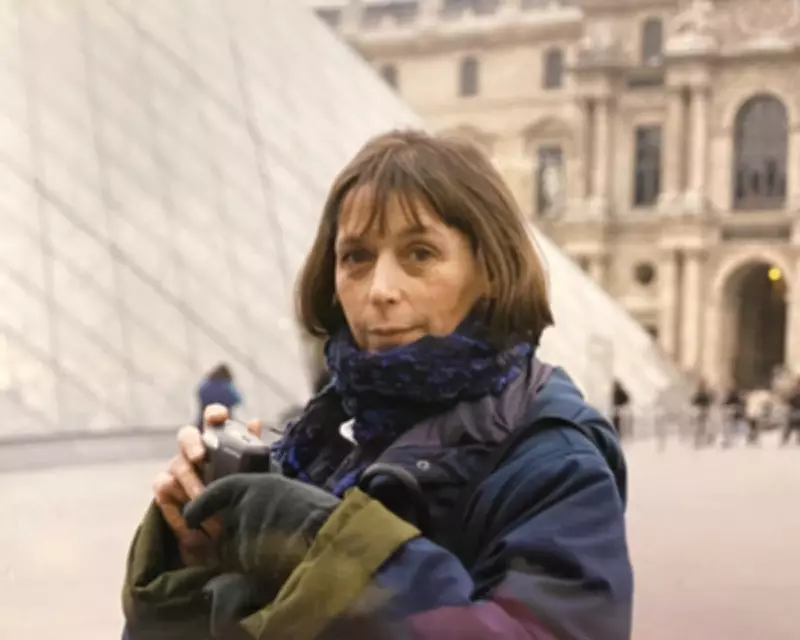
The theatre and television world has lost a true creative force with the passing of Carol Lawrence at the age of 81. A pioneering figure in British stage design who later became a linchpin of BBC Saturday morning television, her remarkable career spanned decades and disciplines, leaving an indelible mark on both industries.
From Motley's First Cohort to Teaching Legacy
In 1966, Carol Lawrence secured one of just eight coveted places in the inaugural year of the renowned Motley theatre design course, then being convened at London's prestigious Sadler's Wells theatre under the guidance of Percy (Margaret) Harris. This opportunity proved transformative, not only launching her professional journey but also introducing her to fellow student Hayden Griffin, whom she would marry in 1968.
Her association with Motley became lifelong. After establishing herself as a designer, she returned to contribute significantly to the course's legacy, authoring The Motley Book of Props in 1975 and teaching generations of students for many years, passing on the distinctive Motley approach to theatrical design.

A Distinguished Stage Career
Carol Lawrence's theatrical portfolio reads like a who's who of British cultural institutions during a particularly vibrant era. She designed productions for the Royal Court Theatre, Sadler's Wells, both the English and Welsh National Operas, and numerous other prestigious companies. Her work extended internationally, including productions at Aarhus Theatre in Denmark.
Among her notable creations was the haunting costume design for John Merrick in The Elephant Man at Derby Playhouse in 1983, showcasing her ability to translate complex character studies into powerful visual statements.
BBC Reinvention and Saturday Morning Stardom
Following her divorce from Hayden Griffin in the early 1980s, Carol made a bold career pivot, leaving the theatre world to join the BBC as a costume designer. She worked on an astonishing array of programmes, from the beloved wartime comedy 'Allo 'Allo! to the enduring soap opera EastEnders.
However, it was on the corporation's flagship Saturday morning children's shows – including Live and Kicking, TMi, and Going Live! – where her unique talents truly flourished. The fast-paced, unpredictable nature of live television proved the perfect arena for her theatrical-honed ability to improvise and create under pressure.
Julian Stone, the stage manager on those Saturday programmes, captured her essence perfectly: "What she brought was a creative tour de force, a mind that could work at weird tangents to come up with amazing things, made out of rehashed bits of stuff that were tweaked and combined to produce an end result that was so impressive." Her wonderful, left-field sense of humour, genius for invention, and sheer sense of fun made her indispensable to these iconic shows.
Early Life and Artistic Foundations
Carol was born in Newport on the Isle of Wight, the daughter of Elsie (formerly Groves) and William Lawrence, both of whom worked at an aircraft factory. Tragedy struck early when William, who served as a works policeman, died when Carol was just three years old. Her mother Elsie, who had worked as a maid before the war, demonstrated remarkable resilience by opening their home as a bed and breakfast to support the family.
After attending Sandown Grammar School, Carol's artistic path led her to Wimbledon School of Art, where she studied stage design under Richard Negri. This formal training, followed by her acceptance onto the Motley course, provided the foundation for her extraordinary career.
Later Years and Enduring Creativity
Like many BBC staff in the 1990s, Carol faced redundancy as the corporation restructured. Designers were re-employed on a freelance basis and expected to pitch for work competitively. Despite initial anxieties, her reputation and talent ensured she was never without projects, a testament to the high regard in which she was held.
In her final decade, while living in East Dulwich, south-east London, Carol consciously reduced her workload but never stopped creating. She continued to accept select design jobs and, true to her artistic spirit, devoted time to drawing and making art purely for the joy of creation.

Carol Lawrence is survived by her children, Rhys, Siân, and the author of this tribute, along with two grandchildren, Niamh and Aoife. Her legacy lives on through the productions she designed, the students she taught, and the countless Saturday mornings she helped make magical for a generation of British children.