Art Weekly: A Deep Dive into Exhibitions and Artistic Insights
This week's art scene offers a rich tapestry of exhibitions, from master portraitists to contemporary innovators, providing a comprehensive look at artistic processes and historical connections.
Exhibition Highlights Across the UK
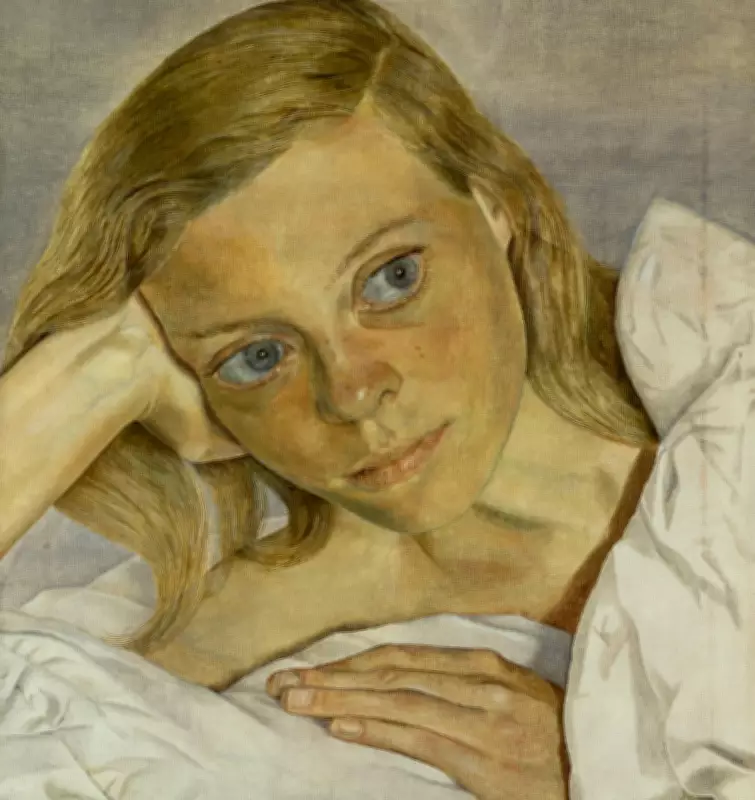
Lucian Freud: Drawing Into Painting takes center stage at the National Portrait Gallery in London. This exhibition, running from 12 February to 4 May, meticulously traces the great artist's portrait process from initial sketches on paper to finished canvases. Visitors can explore how Freud developed his distinctive vision through this detailed presentation of his working methods.
Gwen John: Strange Beauties brings one of Britain's most original early 20th-century artists back to her native Wales. At the National Museum Cardiff from 7 February to 28 June, this exhibition celebrates John's authentic and intimate approach to art, offering a homecoming for her delicate yet powerful works.

Lynda Benglis and Giacometti presents a fascinating dialogue at the Barbican in London. From 12 February to 31 May, Benglis—known for subverting minimalism with her floppy, molten sculptures—engages with Giacometti's iconic forms, creating a dynamic exploration of material and form.
Vincent Hawkins showcases expressive paintings by the Margate-based artist at the Tracey Emin Foundation in Margate. Running from 7 February to 29 March, this exhibition invites visitors to the Kent coast to experience Hawkins' vibrant and emotional works.
Origin Stories at the Royal Scottish Academy in Edinburgh delves into the history of art schools in Scotland since 1826. This exhibition, continuing until 8 March, examines the development of artistic education and its impact on Scottish culture.
Image of the Week: Botanical Connections
Artist Charmaine Watkiss has created a series of illustrated portraits exploring the botanical links between the Caribbean, the UK, and Africa within the context of the transatlantic slave trade. Her work depicts women of African descent alongside medicinal plants, highlighting the herbal knowledge that enslaved people carried with them. Watkiss explained, "While in my studio, I thought: all this knowledge must have travelled with the enslaved." This powerful project evokes survival and resilience through art.
Art World News and Discoveries
This week brought several notable developments in the art world:
- Gabrielle Goliath sued South Africa's arts minister after her Venice Biennale show was banned.
- An angel resembling Italian Prime Minister Giorgia Meloni was removed from a church fresco in Rome following public outcry.
- Artists including Marina Abramović are participating in Kerala's Fort Cochin biennale.
- Sarah Sze discussed creating art that "unravels over time," while Daisy Lafarge turned to painting as a response to acute pain.
- A new exhibition examined diverse ways the human body has been captured on film.
- A painting of Donald Trump conducting an orchestra sparked debate over its accuracy.
- Ovid's Metamorphoses inspired a wide-ranging show at the Rijksmuseum.
- Claire Tabouret's stained-glass windows offered a fresh perspective on Notre Dame.
- A hidden detail in an Anne Boleyn portrait was identified as a "witchcraft rebuttal."
Masterpiece of the Week: Van Eyck's Self-Portrait
Portrait of a Man (Self-Portrait?) by Jan van Eyck, 1433, currently at the National Gallery in London, remains a landmark in art history. Van Eyck's eyes gaze with cool, calm openness, capturing every detail of the world around him. This painting is believed to be a self-portrait, showcasing the artist's revolutionary observational skills.
For the first time in history, an artist painted real faces with such clarity—wrinkles, stubble, nostrils, and shadows are rendered with stunning precision. The extravagant red headdress adds a touch of pride, while the inscription "Jan van Eyck made me on 21st October 1433" boldly asserts the artist's identity. Nearly 600 years later, Van Eyck's presence feels immediate and alive, inviting viewers to connect across centuries through his penetrating gaze.

To stay updated on art and design news, consider signing up for the Art Weekly newsletter. For questions or comments, contact newsletters@theguardian.com.