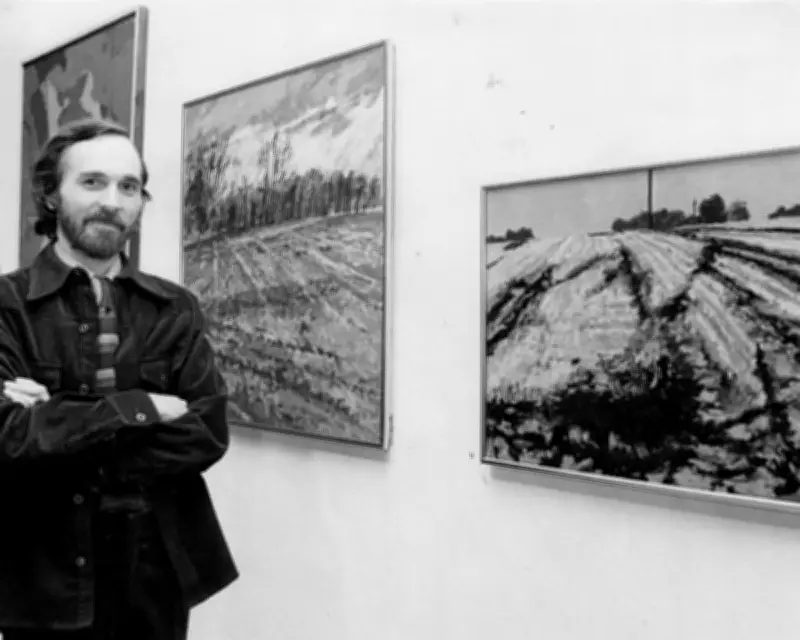
Alan Burgess: A Legacy of Architectural Innovation and Urban Vision
Alan Burgess, the esteemed British architect whose pioneering work in modernist design and sustainable urban planning left an indelible mark on the built environment, has passed away at the age of 89. His death marks the end of an era for architectural enthusiasts and city planners alike, as Burgess was renowned for blending aesthetic elegance with functional practicality in his projects.
Early Career and Influences
Born in 1937, Burgess studied architecture at the University of Cambridge, where he developed a passion for modernist principles under the mentorship of influential figures. His early career saw him working on residential and commercial buildings that emphasized clean lines, natural light, and innovative use of materials. Burgess quickly gained recognition for his ability to integrate structures seamlessly into their surroundings, a skill that would define his later, larger-scale projects.
Iconic Projects and Contributions
Throughout his career, Burgess designed numerous iconic buildings, including the award-winning Greenwood Tower in London and the Riverfront Cultural Centre in Manchester. These projects showcased his commitment to sustainability and community engagement, often incorporating green spaces and energy-efficient technologies. His urban planning initiatives, such as the revitalization of post-industrial areas, helped transform neglected neighbourhoods into vibrant, livable spaces.

Key aspects of his work included:
- Modernist Aesthetics: Emphasizing simplicity, geometric forms, and the use of glass and steel.
- Sustainable Design: Integrating renewable energy sources and eco-friendly materials to reduce environmental impact.
- Community Focus: Designing spaces that fostered social interaction and accessibility for all residents.
Later Years and Legacy
In his later years, Burgess remained active as a consultant and educator, mentoring young architects and advocating for thoughtful urban development. He received several accolades, including the Royal Institute of British Architects Gold Medal, in recognition of his lifetime achievements. His influence extends beyond individual buildings to broader discussions on how cities can evolve to meet future challenges.
Burgess is survived by his family, colleagues, and a legacy of structures that continue to inspire. His passing is mourned by the architectural community, but his visionary ideas will undoubtedly shape urban landscapes for generations to come.