Act Black Exhibition Unveils Historic Posters of Black American Performers
A groundbreaking exhibition at Poster House in New York is shining a light on the rich legacy of Black American performers from the late 19th to mid-20th centuries. Titled Act Black: Posters from Black American Stage & Screen, this display runs from 13 March to 6 September, offering a unique glimpse into a pivotal era of cultural history.
Preserving Lost Histories Through Poster Art
Many of the posters featured in the exhibition serve as the sole surviving evidence of shows and films that have been lost over time. With no recordings of plays and certain movies considered 'lost films,' these advertising materials provide crucial documentation of Black talent and storytelling from the 1880s to the 1940s. Curated by Briana Ellis-Gibbs, the collection highlights how Black performers and creators worked to counter dehumanizing stereotypes prevalent in mainstream media.
Countering Stereotypes and Building Black Culture
Starting in the 1880s, Black-led productions began to emerge, touting 'all colored revues' to distinguish themselves from white performers in blackface. These efforts aimed to build narratives around authentic Black experiences, moving beyond harmful caricatures. For instance, Richard Norman's film The Green Eyed Monster (1919) sought to offer more respectful representations, recognizing a growing demand for films showcasing Black talent.

Playwrights and composers also expanded the emotional depth and perspectives in stage productions, contributing to a burgeoning Black culture. Posters from this period, such as those for St Louis Blues (1929) and Black Gold (1928), reflect these advancements in portraying Black humanity.
Iconic Performers and Their Impact
The exhibition features posters of legendary figures like Josephine Baker, whose role in Zouzou (1934) brought complex portrayals of Black womanhood to international screens, despite challenges with exotification. Similarly, Nina Mae McKinney broke barriers as the first Black actress in a principal role at a major studio with Hallelujah, as highlighted in the Gang Smashers (1938) poster.
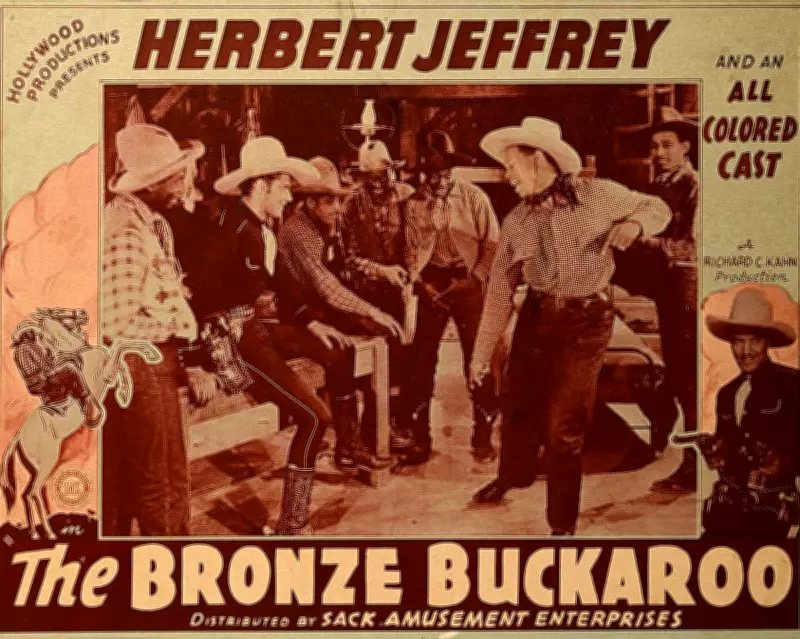
Other notable items include posters for The Bronze Buckaroo (1942) and Take My Life (1942), which addressed themes like military service during segregation, premiering at Harlem's Apollo theater. The display also examines how locations like Harlem and Chicago were used in advertising to signify Black urban life, moving away from southern agrarian stereotypes.
Challenges and Legacy in Poster Design
Some posters, such as those for Uncle Tom's Cabin adaptations, reveal the persistence of racist depictions, leading to pejorative terms. However, others, like the Imitation of Life (1949) poster, show progress by centering Black actresses for screenings in Black theaters. Through these artifacts, the exhibition underscores the vital role of posters in preserving and promoting Black cultural contributions, offering a humanizing counter-narrative to historical stereotypes.