Wisconsin Regents Detail AI and Leadership Concerns in President's Dismissal
Leaders on the board overseeing the Universities of Wisconsin have publicly rebuffed claims from the fired system president that he was blindsided by his dismissal, testifying to state lawmakers that his removal stemmed from significant issues including a lack of urgency on artificial intelligence and a tendency to avoid upsetting key stakeholders.
Unanimous Decision Following Closed-Door Meeting
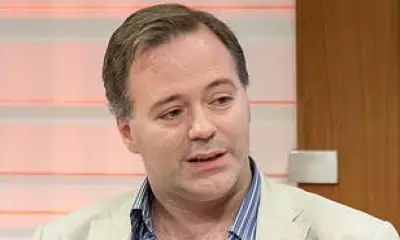
The board of regents voted unanimously on Tuesday to terminate Jay Rothman as head of the 165,000-student university system, a decision made without public discussion after a closed-door session. Until Thursday's hearing before a state Senate committee, regents had offered little public explanation for the surprise move.
Rothman told The Associated Press in a Wednesday interview that he was kept in the dark about the reasons for his firing and felt completely blindsided by the board's action.

Regents Counter Claims of Unawareness
Two regents who testified at the hearing asserted that Rothman knew more about the concerns leading to his dismissal than he has publicly acknowledged. They emphasized there were substantial reasons for the termination, of which Rothman was fully aware.
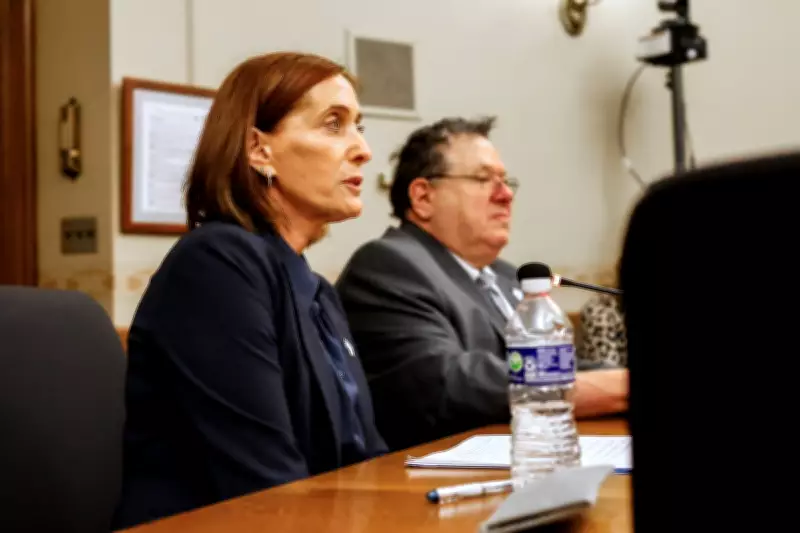
"That decision was not made lightly," stated Regent President Amy Bogost. "It was not political. It was not retaliatory. It was unanimous. We made a difficult decision for the right reasons, and I firmly stand by it."
Specific Allegations Against the Former President
Republican lawmakers, upset by Rothman's abrupt firing, called the hearing to demand transparency from regents. Regent Timothy Nixon outlined several specific concerns during his testimony:
- Artificial Intelligence: Rothman lacked urgency in addressing critical emerging issues like AI, failing to move the system forward on this pressing technological front.
- Alignment with Board: He was not fully aligned with the board's direction and priorities, creating friction in governance.
- Transparency Issues: Rothman attempted to limit public board discussions and restrict access to open records, hindering transparent operations.
- Political Interactions: He limited board members' interactions with lawmakers, potentially isolating the university system from important policy conversations.
- Credit Attribution: Rothman took personal credit for accomplishments that were actually part of what Nixon described as a "massive team effort."
Nixon also revealed he had been pushing for the UW system to justify why it employs 579 administrative staff members, a concern Rothman failed to adequately address.
Avoidance of Controversy as a Leadership Flaw
Perhaps most damning was Nixon's characterization of Rothman's leadership style as excessively cautious. "He doesn't want to upset either the Legislature, the governor or the faculty or anybody else," Nixon testified. "He didn't want to upset the apple cart and, quite frankly, I think the apple cart needs some upsetting."
This reluctance to make difficult decisions or challenge the status quo was presented as incompatible with the transformative leadership the regents believe the university system requires.
Confidentiality and Public Narrative
Regents also addressed the confidentiality surrounding personnel decisions, noting that Rothman could waive his right to privacy if he chose, which would allow board members to share more detailed information about his performance. Instead, Bogost argued, Rothman is using that confidentiality as a shield to craft what she called a "deliberately one-sided" narrative that harms the university system.
"That is not a search for truth," Bogost stated. "That is strategy. To do the media circuit that he's on denigrates our great universities, and that makes me sad."
Corporate-Style Leadership Transition
Nixon defended the handling of Rothman's departure, including a rejected offer for him to retire or resign voluntarily, comparing it to standard corporate practices for CEO transitions at large organizations.

"This is no different than moving on to a new quarterback, no matter what you thought of the previous quarterback and what they did," Nixon explained, framing the decision as a necessary leadership change for the institution's future.
The testimony reveals deep divisions between the former president and the board of regents, with artificial intelligence preparedness emerging as a particularly significant point of contention in an era when universities nationwide are grappling with how to integrate this transformative technology into their academic and operational frameworks.