Pope's Pilgrimage to Historic Angolan Site Confronts Slavery Legacy
Pope Leo XIV's scheduled visit to a Catholic chapel in Angola with direct connections to the transatlantic slave trade represents a profoundly symbolic moment for many African observers. The pontiff's journey to the Church of Our Lady of Muxima, planned for Sunday as part of his broader African tour, occurs against the backdrop of his own recently revealed Creole heritage, which includes both enslaved ancestors and slave owners.
A Church Built on Colonial Exploitation
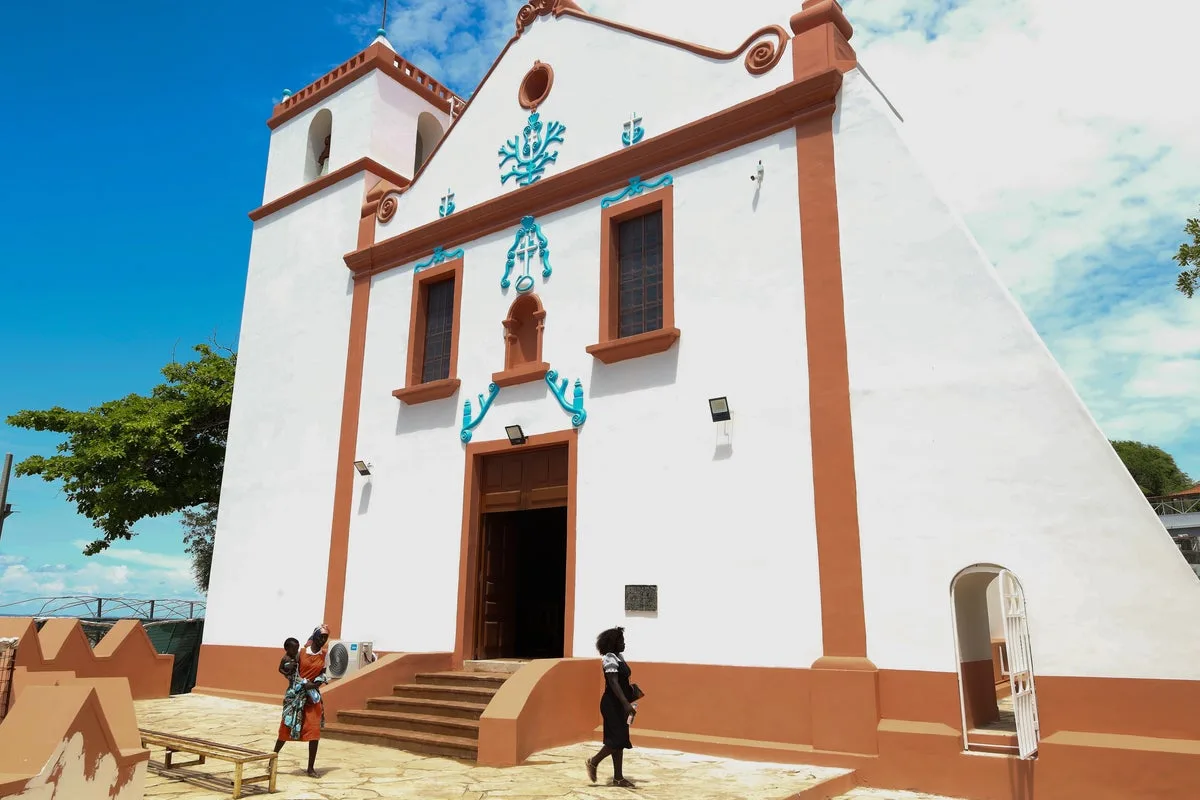
The Church of Our Lady of Muxima was constructed by Portuguese colonizers in Angola during the late 16th century as an integral component of a fortress complex. This location subsequently evolved into a significant hub within the brutal slave trade network, serving as a stark reminder of the historical entanglement between Catholic missionary activities and the systematic exploitation of the African continent.
Before the site transformed into a popular Catholic shrine following reported apparitions of the Virgin Mary around 1833, the white-walled church situated near the Kwanza River functioned as a gathering point for enslaved Africans. Here, Portuguese priests would administer forced baptisms before compelling captives to undertake a grueling 145-kilometer march to Luanda, Angola's primary port, where they were loaded onto ships bound for the Americas.
Portuguese colonizers operated under 15th-century Vatican directives that authorized the enslavement of non-Christians. Angola emerged as the epicenter of this trade, with historical records indicating that over 5 million individuals were forcibly transported from Angolan shores via the trans-Atlantic route. This staggering figure represents nearly half of the estimated 12.5 million African slaves shipped across the ocean, marking Angola as the single largest contributor to this human tragedy.
Symbolism of Papal Presence
While it remains uncertain whether Pope Leo XIV will directly address slavery during his African journey, following precedents set by St. John Paul II in 1985 and 1992, many African Catholics perceive deep symbolism in his planned recitation of the Rosary on the riverside esplanade adjacent to the ancient fortress and chapel.
"For me, the pope going there to pray the Rosary... he will give that place a new significance," explained Reverend Celestino Epalanga, a priest affiliated with the Catholic Bishops' Conference of Angola. "We have to give it a new sense. To make this place sacred instead of being a place of evil."
The pontiff's personal background adds further layers of meaning to this pilgrimage. Recent genealogical research revealed that Pope Leo XIV, born Robert Prevost as the first American pope, possesses Creole heritage through maternal great-grandparents identified as people of color in Louisiana census records. His ancestry includes both Black and white forebears, encompassing enslaved individuals and slave owners alike.
Historians note that some of the earliest enslaved people transported to Louisiana originated from Angola, creating a poignant historical parallel with the pope's visit.
Connecting with African Catholicism
Mariana Candido, a history professor at Emory University in Atlanta, observes fascinating complexity in how a location associated with such profound immorality transformed into a pilgrimage destination for Angolans. She suggests Pope Leo XIV likely recognizes this duality as he seeks to engage a new generation of African Catholics.
"I can see how this is a way of connecting to Catholics in Angola, and making the Church more in sync with how people are practicing Catholicism in Angola and in African countries," Candido remarked.
Reverend Stan Chu Ilo, a Nigerian priest and professor at DePaul University in Chicago, points to evidence that the pontiff is actively fostering African connections within the Church hierarchy. This includes the recent elevation of Monsignor Anthony Ekpo of Nigeria to a prominent Vatican position.
"This pope is actively cultivating African presence within the church and trying to, I think, heal this policy or program of seeing Africa as just making up the numbers," Chu Ilo stated.
Pope Leo XIV emphasized the significance of his African journey, noting that he determined Africa would be his inaugural papal visit shortly after his election in May of last year, describing this particular trip as "very special for several reasons."
Confronting Contemporary Challenges
Angola bears particularly deep scars from centuries of slavery and colonialism, having remained a Portuguese colony until 1975. The nation immediately descended into a devastating civil war following independence, a conflict that persisted intermittently for 27 years and claimed over half a million lives.
Both Reverend Epalanga and Reverend Chu Ilo acknowledge colonialism's enduring impact while emphasizing the importance of Pope Leo XIV revitalizing the Catholic Church in Angola to address modern societal challenges. The Vatican has indicated that the pontiff will raise issues including exploitation of natural and human resources, corruption, and authoritarian regimes during his African engagements.
Opposition lawmaker Olivio Nkilumbo of Angola's Parliament asserts that the country remains undemocratic and fails to serve its 37 million citizens adequately more than five decades after independence. He cites persistent authoritarian governance and extreme economic inequality that leaves millions in poverty despite Angola's substantial oil, diamond, and other natural resources.
"We still don't have democracy, don't have freedom," Nkilumbo declared, expressing hope that the pope would deliver a forceful message advocating for social justice alongside his pilgrimage for peace and reconciliation.
Nkilumbo, while not Catholic himself, praised the Catholic Church in Angola for leading efforts toward greater equality. Reverend Epalanga exemplifies this commitment through his dual role as priest and executive secretary of the Catholic Commission for Justice and Peace in Angola, an organization actively promoting democracy while challenging authorities to alleviate poverty and inequality.
Epalanga, who has been invited to an audience with Pope Leo XIV during his Angola visit, stated that given the opportunity, he would "thank him for coming and ask him to tell the bishops they should be more committed to the poor and to social justice."