In an unconventional approach to emergency preparedness training, Bournemouth University has staged a mock Godzilla attack for its medical students. The university deliberately chose this fantastical scenario over more realistic disasters like terrorist atrocities or train crashes, which staff felt would be too stressful for the trainees.
A Unique Training Environment
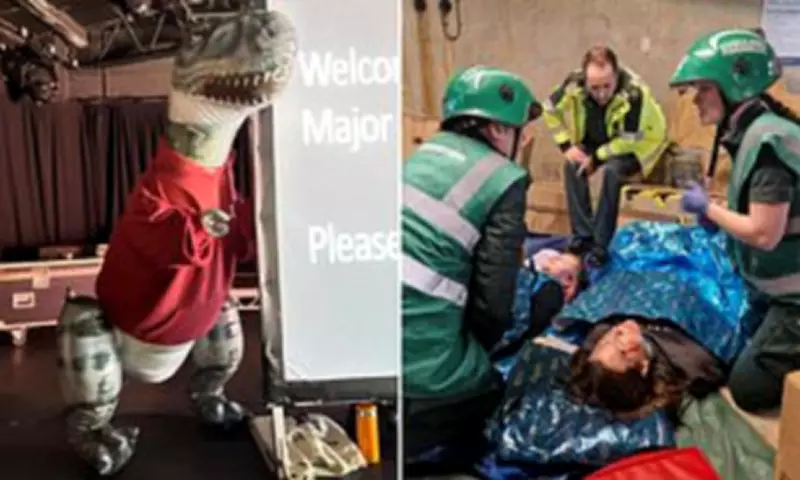
The major incident exercise took place in an underground car park in Bournemouth, transformed into a disaster zone. A large blow-up dinosaur doll wearing a red T-shirt portrayed the iconic Japanese monster, creating a visually striking yet deliberately absurd backdrop for the serious training objectives.
Realistic Medical Challenges
Despite the humorous premise, students faced authentic medical challenges. Make-up artists applied fake blood and realistic-looking flesh wounds to actors portraying victims. Students had to treat devastating simulated injuries including severe head wounds, eviscerated bowels, and arterial bleeding - all patterns that could occur in real mass casualty events.

The exercise involved paramedic, nursing, and mental health nursing students working together in a coordinated response. The site was strategically divided into three functional zones: a fully equipped paramedic response area, physiotherapy treatment spaces, and nursing stations specifically addressing the mental health needs of patients.
Educational Philosophy Behind the Approach
Una Brosnan, paramedic lecturer and co-organiser, explained the university's educational strategy. "We could have done a natural disaster or a terrorist attack which would be quite scary for everyone," she said. "We decided to go for a more tongue-in-cheek approach."
"The premise might be quite farcical but the injury patterns and mechanisms are very real," Brosnan continued. "It's a bit of fun but it also teaches the students to work with multiple casualties and patients. They have to get in, triage and work out who they are going to treat first. They have to make some hard decisions and the pressure increases, but we don't push it to fail."
Previous Unconventional Exercises
This isn't the first time Bournemouth University has employed imaginative scenarios for medical training. The institution has previously staged similar exercises where student paramedics responded to an alien invasion and a zombie apocalypse. These creative approaches aim to reduce anxiety while maintaining educational rigor.
Professional Collaboration and Assessment
The Godzilla simulation received support from multiple professional organizations including Dorset and Somerset Air Ambulance, Wiltshire and Bath Air Ambulance, and University Hospitals Dorset NHS Foundation Trust. Their involvement added realism and professional oversight to the training exercise.
Ben Abbott, advanced practitioner in critical care at Wiltshire and Bath Air Ambulance, observed the students' performance. "The first year students are very junior and new to this - we are looking for them to be able to do basic triage and patient assessment and they all did really well once they got over the nerves," he noted.
"The third-year students are looking to qualify in the next six to nine months so it's a different vibe with them," Abbott continued. "They are expected to know more about the medicine, the drugs, the therapy and the treatment that they can offer. They were very good - it's a stressful situation but it does push them to do the job that they are going to need to do at some point."
Balancing Serious Training with Reduced Stress
The university's approach represents an innovative educational methodology that balances serious medical training with psychological considerations for students. By using fantastical scenarios like Godzilla attacks, alien invasions, and zombie apocalypses, educators can create engaging learning environments that reduce the emotional burden typically associated with disaster response training while maintaining clinical authenticity.
This method allows students to practice critical skills including rapid triage, prioritization of treatment, interprofessional collaboration, and decision-making under pressure - all essential competencies for healthcare professionals who may one day face real mass casualty incidents.