Universities Risk Hefty Fines for Censoring Campus Debates
Universities across the United Kingdom now face severe financial penalties, including fines of up to £500,000, if they shut down debates or restrict free speech on campus. In the most serious cases of censorship, higher education institutions could even be struck off and lose vital public funding, under tough new regulations enforced by a watchdog.
Watchdog Targets 'Cancel Culture' and Foreign Pressure
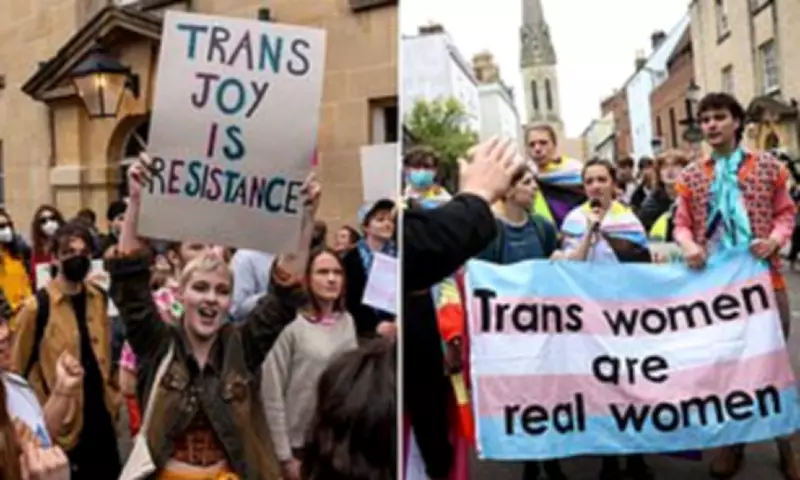
The move comes amid growing concerns that speakers are being 'cancelled' for opposing gender ideology, while other academics face pressure to avoid sensitive topics to avoid upsetting foreign governments like China. University bosses have also been accused of using woke Equality, Diversity and Inclusion (EDI) schemes to weed out job applicants with differing views by insisting on statements of commitment.
Education Secretary Bridget Phillipson stated last night that there are 'far too many cases where academics and speakers are being silenced'. She emphasised that the government is 'strengthening protections and empowering the regulator to restore our world-class universities as engines of opportunity'.

Recent Cases Highlight Free Speech Concerns
A year ago, the Office for Students (OFS) fined the University of Sussex £585,000 under existing legislation for its treatment of gender-critical academic Kathleen Stock. The philosophy professor was hounded out of her job after speaking out about conflicts between transgender rights and women's rights.
In another instance, Sheffield Hallam University forced an academic to abandon work on the enslavement of Uyghurs in China following pressure from Beijing. Professor Laura Murphy of the Helena Kennedy Centre for International Justice condemned UK universities for acting as 'the long arm of the People's Republic of China government'. Sheffield Hallam later cited insurance issues but affirmed its commitment to supporting Professor Murphy.
New Complaints Scheme and Penalties
Regulations will be created in June to allow a new complaints scheme to come into force by September. The OFS will investigate concerns and can recommend that universities review decisions or pay compensation if they fail to protect freedom of speech for staff and speakers.
Starting next April, the regulator will have the authority to fine institutions £500,000 or 2 per cent of their income, whichever is higher. In severe cases, sanctions may involve 'deregistration', effectively removing a university's status. Currently, staff can only take vice-chancellors to costly employment tribunals if they believe their views have been suppressed, with a separate system in place for students.
Political Reactions and Implementation
However, the rollout has faced political scrutiny. Tories noted that after the election, Labour paused the implementation of the Higher Education (Freedom of Speech) Act 2023, which was passed by the previous government. Shadow Education Secretary Laura Trott criticised Labour for initially labelling the act a 'Tory hate speech charter' and then attempting to 'quietly shelve it'. She added that it has taken over three years for the Education Secretary to finally deliver the complaints scheme approved by Parliament.
Professor Malcolm Press, president of Universities UK, commented: 'We will support members to comply with new regulations.' But he cautioned that 'it is important that the OFS discharges its new responsibilities fairly, transparently, and proportionately.'
The Department for Education confirmed that these measures aim to uphold free speech while ensuring accountability, with the goal of fostering open debate and academic freedom in UK universities.