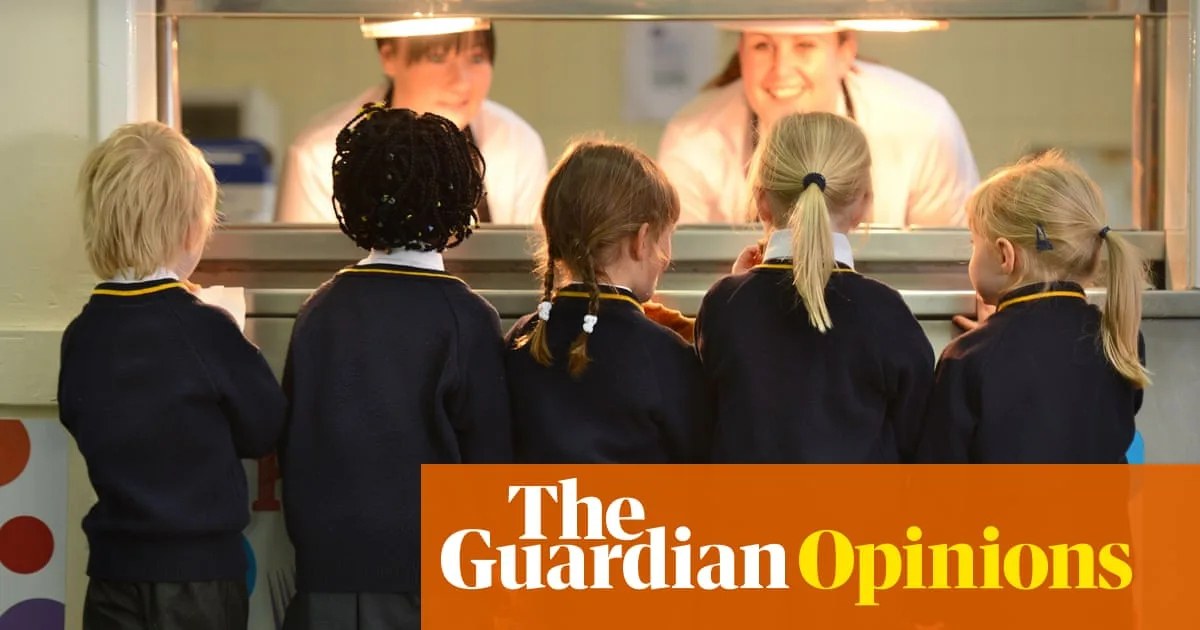
As children across England prepare to return to school, many parents are facing a financial struggle to afford uniforms. A survey by the parenting charity Parentkind found that some families are skipping meals and turning to buy-now-pay-later services such as Klarna to cover the cost before the autumn term.
The expense can be particularly acute at primary level. At one south London state primary, the compulsory blazer costs £38 and a branded cardigan, made of 50% acrylic, costs £23. All items on the school's list must be bought from a single specialist supplier, with an £8 delivery charge. Returns are at the parent's expense unless they travel to the store, which is a 45-minute journey involving two train rides. The school's secondhand uniform shop is popular but often sells out of required sizes before the summer term ends.
The government has recognised the problem. From September 2026, schools in England will be limited to requiring three branded items plus a tie. Education Secretary Bridget Phillipson has urged schools to adopt reasonable measures sooner, writing on X: "You don’t need a posh blazer to learn your times tables, and Shakespeare is just as inspiring in a supermarket sweater."
Despite such concerns, research on the benefits of uniforms is inconclusive. The Education Endowment Foundation states: "There is little robust evidence that introducing a school uniform will, by itself, improve academic performance, behaviour, or attendance." Additionally, uniforms remain heavily gendered, according to recent analysis.
The pressure to enforce dress codes falls on teachers, who already face heavy workloads. There have been reports of children being excluded for not wearing the correct uniform. The government's planned caps are intended to ease the burden on families, but schools are not yet obliged to comply.