UN Halts Aid to 160,000 Hungry Afghans Amid Pakistan Border Clashes
UN Halts Aid to 160,000 Afghans Amid Pakistan Clashes

UN Aid Suspension Leaves 160,000 Afghans Without Food as Pakistan Clashes Escalate

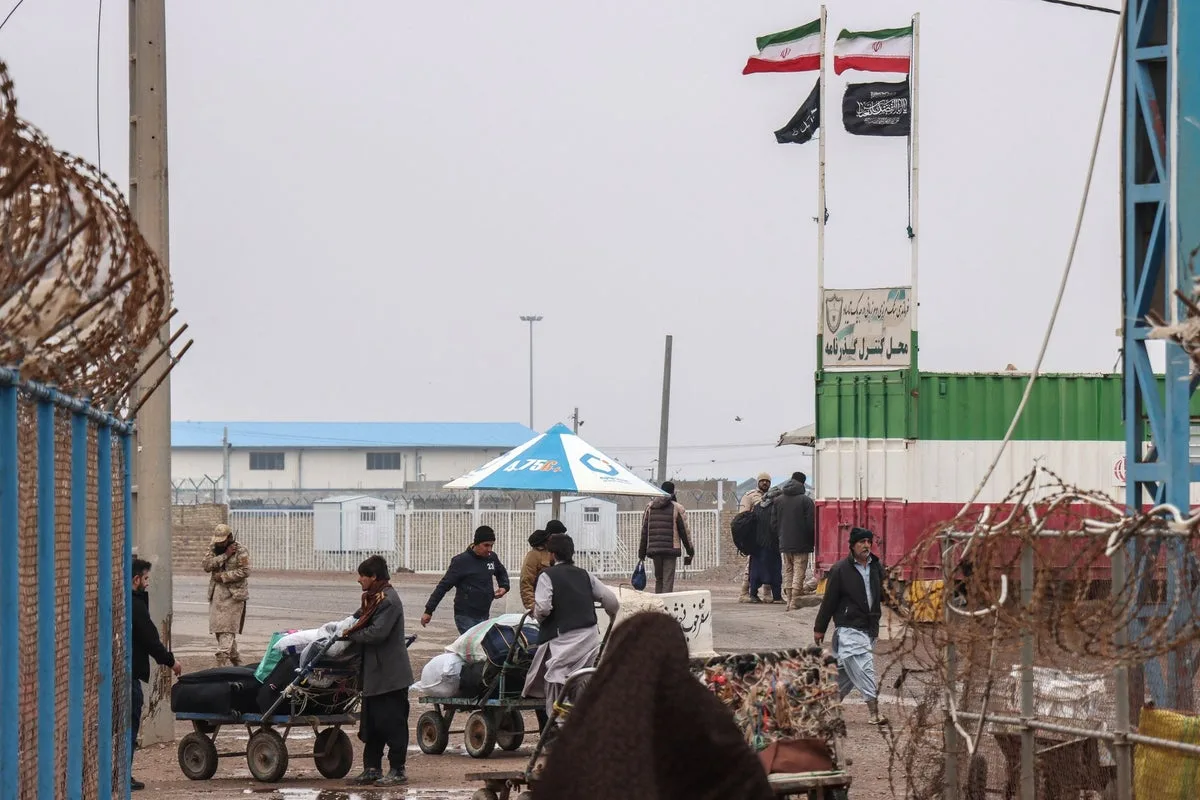
The United Nations aid agency in Afghanistan has been forced to suspend critical humanitarian work following a significant escalation in Pakistan's military offensive against its neighbour. This suspension comes as the renewed conflict, characterised by intense airstrikes and ground gunfights along the shared border, entered its seventh consecutive day on Thursday, severely disrupting life-saving assistance.

The World Food Programme (WFP) issued a stark warning, stating that the intensifying border violence is dramatically worsening Afghanistan's already catastrophic humanitarian situation, with border regions bearing the brunt of the suffering. The agency confirmed that the temporary halt to emergency food aid distribution would directly impact nearly 160,000 vulnerable individuals who rely on this support for survival.

Widespread Impact Across Multiple Provinces

Airstrikes and violent clashes have severely affected 46 districts spread across ten Afghan provinces, including Nuristan, Laghman, Kunar, Nangarhar, Paktika, Paktya, Khost, Kandahar, Helmand, and Zabul. In response, the WFP has been compelled to temporarily suspend all emergency operations, social protection programmes, school feeding initiatives, and livelihood support activities in these high-risk areas.

The agency emphasised that at least four of the impacted provinces are already confronting critical levels of malnutrition due to the protracted humanitarian crisis. Alarmingly, more than half of the districts caught in the crossfire are now experiencing what the UN classifies as "emergency levels of hunger", pushing communities to the brink of famine.

Vulnerable Communities on the Front Line Once Again

John Aylieff, the WFP Country Director for Afghanistan, highlighted the compounded tragedy for already devastated communities. "Communities in mountainous Kunar and Nangarhar provinces, already among the most vulnerable, were the hardest-hit by last year’s earthquake, losing family members, homes and livelihoods," he stated. "Today, those very same communities are once again on the front line, now facing the escalation of conflict with Pakistan."

The latest round of hostilities erupted last week after Pakistan conducted cross-border airstrikes, targeting what it described as terrorist facilities operating from Afghan soil. Afghanistan retaliated by engaging Pakistani military forces along the volatile border. Islamabad's subsequent declaration of an "open war" on its neighbour has sent shockwaves through the international community, raising fears of a broader regional conflagration.

Civilian Casualties and Diplomatic Stalemate

The United Nations Assistance Mission in Afghanistan (UNAMA) reported that the violence since 26 February has resulted in at least 42 civilian deaths and 104 injuries. While Islamabad has claimed its military operations have killed over 430 Afghan soldiers, it has offered no comment on the civilian casualty figures presented by authorities in Kabul, deepening the diplomatic rift.

Adding to the tense standoff, Pakistan's Army Chief, General Asim Munir, stated on Wednesday that sustainable peace with Afghanistan is wholly contingent on the Taliban-led government severing all ties with insurgent groups that target Pakistan. He issued a firm warning, asserting that Islamabad would take "all necessary measures" to counter any threats originating from across the border.

"Peace could only prevail between both sides if the Afghan Taliban renounced their support for terrorism and terrorist organisations," General Munir declared, labelling the use of Afghan territory by militants to launch attacks inside Pakistan as completely "unacceptable". This suspension of vital UN aid underscores the devastating human cost of the ongoing geopolitical and military stalemate, leaving hundreds of thousands of Afghans in a perilous fight for survival.