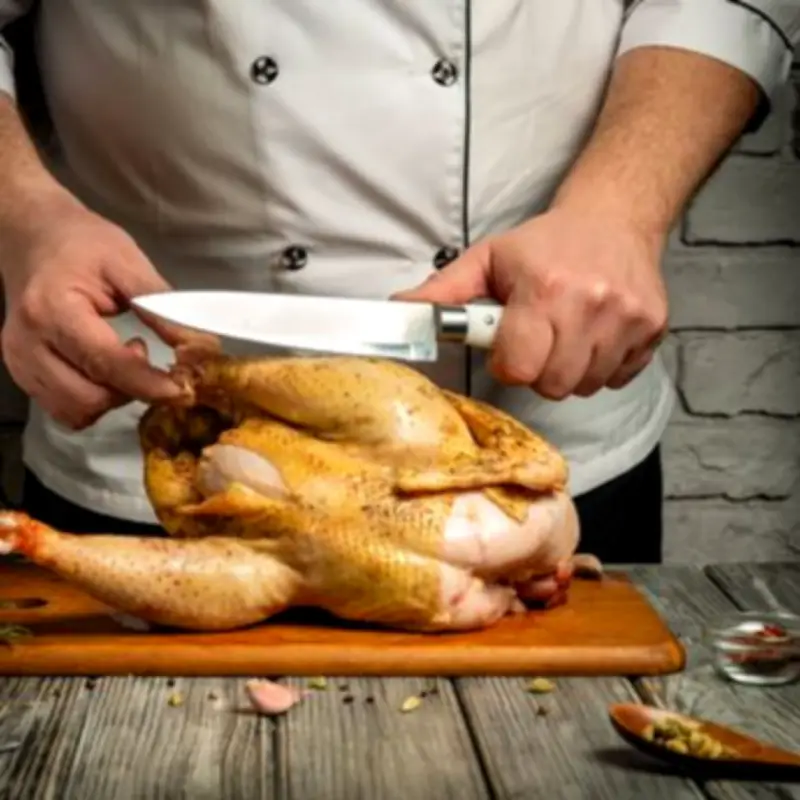
Chicken is a much-loved, versatile protein enjoyed by millions worldwide. It can be grilled, roasted, cooked in an air fryer or even thrown on the barbecue. However, getting it right can be tricky, as it must reach a safe internal temperature while remaining succulent and flavourful. Undercooked chicken can harbour dangerous bacteria, while overcooking it can leave it dry and tough. With the correct cooking technique and a little care and attention, chicken can be turned into a truly mouth-watering dish. We asked professional chefs exactly how to achieve this, and they've shared their finest tips.
The unanimous advice: Brine your chicken
All four chefs agreed on one essential step: brining. This simple process of soaking chicken in salted water helps it retain moisture during cooking, resulting in a juicier final product.
Vanessa Dorward's approach
Vanessa Dorward, executive chef at Bingham Riverhouse, emphasises starting with high-quality chicken from a trusted farm. She recommends marinating it in olive oil or butter, stuffing the cavity with rosemary, crushed garlic, and a peeled onion. Generous seasoning with flaked salt and herbs is key. In summer, she adds fresh lemon and roasts the bird on a bed of vegetables like onions, carrots, and celery. A thermometer is essential for perfect doneness.
Paul Mason's method
Paul Mason, head of food at Prep Kitchen, strongly advocates brining. He explains that dry chicken is usually a cooking issue, not the bird's fault. A simple brine—dissolving a couple of tablespoons of salt in water and submerging the chicken for at least 30 minutes—helps the meat hold onto moisture. For extra tenderness, a yoghurt-based marinade can be used. He recommends cooking at moderate heat, searing thicker cuts before finishing in the oven, and letting the meat rest for five minutes after cooking.
Richard Allen's technique
Richard Allen, head chef at Headlam Hall Hotel & Rural Retreat, stresses starting with a high-quality, free-range bird. He suggests brining for 24 hours using a 10% brine (100g salt per 1L water) with aromatics like bay leaf, thyme, peppercorns, and garlic. After brining, pat the chicken dry and roast until the thickest part reaches 72°C. Let it rest for 30 minutes to allow juices to redistribute.
Robert Manea's secret
Robert Manea, executive chef at Bõkan 37, focuses on flavouring from within and careful roasting. He tucks herb butter under the skin and starts with a hot oven before lowering the temperature. This technique yields crisp skin and succulent meat.
Key takeaways for home cooks
- Brine your chicken: Even a short brine (30 minutes) makes a significant difference.
- Use a thermometer: Cook to the correct internal temperature (65-72°C) for safety and juiciness.
- Rest the meat: Allow chicken to rest after cooking so juices redistribute.
- Season generously: Use herbs, garlic, and citrus to enhance flavour.
- Start with quality: Choose free-range or high-quality chicken for best results.
By following these chef-approved tips, you can achieve perfectly juicy chicken every time, whether roasting, grilling, or pan-searing.