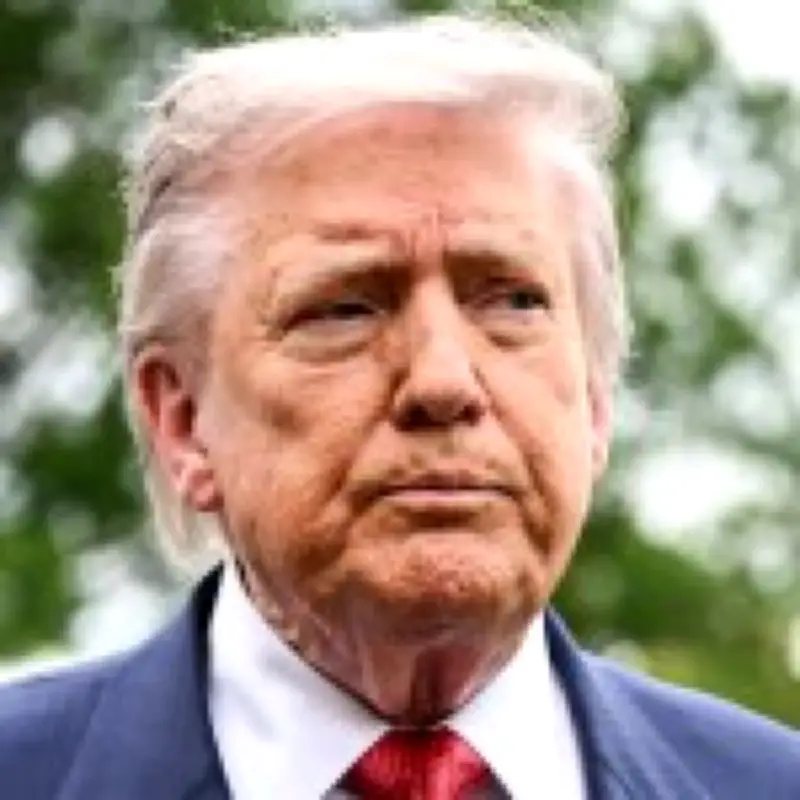
Donald Trump has repeatedly promised a peace deal with Iran, but after 37 such assurances in just three months, many are questioning his credibility. Since the US and Israel entered conflict with Iran, the US President has used social media, phone calls, and official statements to claim that a deal is imminent. However, no agreement has been reached.
Mediation Efforts Stall
Mediators, primarily led by Pakistan, have struggled for weeks to broker a deal. Both Iran and the US have adopted hard-line stances, making progress difficult. Dr Katayoun Shahandeh from the University of London remarked, 'There is an old saying: fool me once, shame on you; fool me twice, shame on me.' She argues that the world must stop treating Trump's statements as diplomatic breakthroughs and recognize them as political theatre.
Trump's Track Record
'Trump is a master of announcing success before it exists. He has always preferred the optics of deal-making to the slow, difficult work of diplomacy,' Dr Shahandeh added. 'When he says a deal with Iran is close, the question is not simply whether he believes it. The question is, who pays the price when that claim collapses? The answer is, again and again, the Iranian people.'

Is a Deal Possible?
Despite the stalled peace process and a fragile ceasefire, a deal between Iran, Israel, and the US is not impossible. 'Iran is a rational political actor, even when its leadership behaves brutally towards its own population. Tehran understands leverage. It understands survival. It understands that time, geography, regional alliances and strategic patience can be more powerful than spectacle,' Dr Shahandeh said. However, a sustainable deal requires trust, guarantees, and recognition, not just blind confidence.
Conflicting Demands
Israel's recent renewed strikes against Iran have complicated the situation. The US demands that Iran give up its stockpile of highly enriched uranium, believed to remain in the country after American air strikes in the 12-day war of 2025. Iran refuses and instead demands relief from sanctions and the release of frozen assets before any final agreement, which Trump has rejected. 'Every escalation allows the Islamic Republic to present itself as defender of the nation, even while it represses the very citizens it claims to protect,' Dr Shahandeh noted.
The Human Cost
The Iranian people are the true losers in this stalemate, trapped between an authoritarian state and external powers that treat them as collateral damage. The entire region, including Iraq, Syria, Lebanon, Yemen, Palestine, Israel, and other Gulf nations, faces the prospect of further conflict. 'The greatest losers will not be Trump, Netanyahu, or Iran's ruling elite. They will be the Iranian people: the women, students, workers, artists, dissidents and families who have already sacrificed too much,' Dr Shahandeh concluded. 'They deserve a future that is not negotiated through their suffering.'