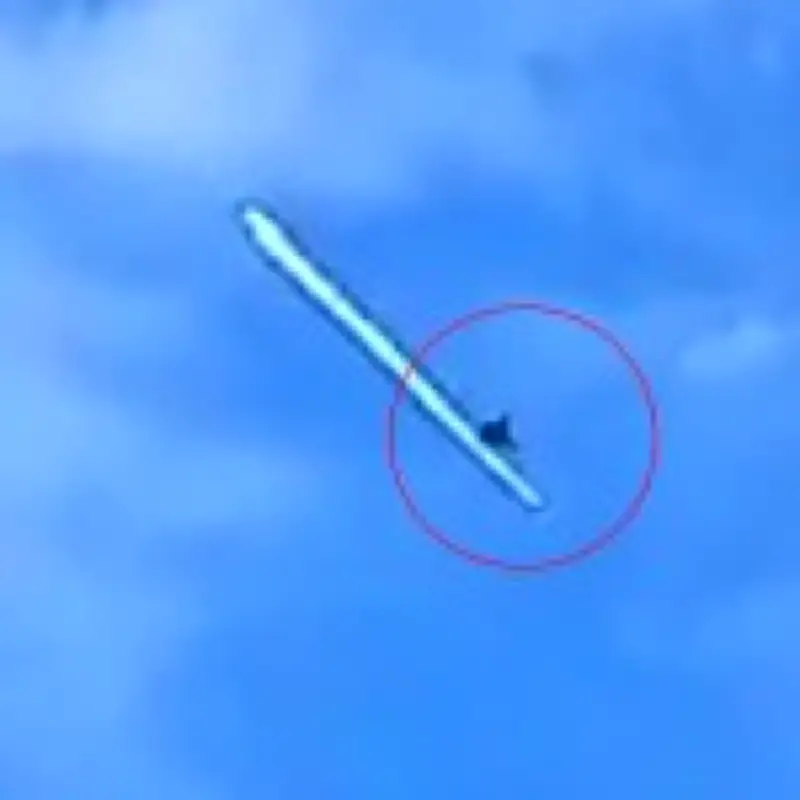
A French military jet shot down a Russian drone that entered NATO airspace earlier today, prompting residents in eastern Latvia to seek shelter indoors. The Latvian Army confirmed the drone had flown into its airspace from Russia, describing it as part of 'Russian electromagnetic warfare.'
Incident Details
On social media platform X, the Latvian Army stated: 'Allied fighter jets successfully shoot down a drone flying into Latvian airspace!' A French Rafale fighter jet, operating as part of a NATO mission, intercepted and destroyed the drone before any casualties occurred. This marks the latest incursion of Russian drones into NATO airspace as Moscow expands its aggressive posture beyond Ukraine into the Baltic region.
Broader Context
Last month, reports indicated that Russian President Vladimir Putin is stockpiling fibre-optic drones for a potential future assault on NATO countries. Intelligence suggests the Kremlin may have already amassed up to 130,000 such drones, with numbers potentially rising to 200,000 by the end of summer. These first-person view (FPV) drones are particularly dangerous because they are operated via hair-thin fibre-optic cables instead of radio signals, making them extremely difficult to jam electronically.

Russian military insiders believe these weapons could overwhelm Estonia, Latvia, and Lithuania in the opening stages of an assault designed to shock Europe before NATO can respond effectively. The Kremlin views the Baltic states as uniquely vulnerable due to their lack of combat experience with mass drone warfare, despite possessing advanced electronic warfare capabilities. Russian planners also allegedly perceive Europe as lacking the political will for a prolonged conflict over the Baltics, especially with Donald Trump in the White House.
Strategic Implications
In March, the organisation Volya reported receiving confirmation from sources within the Russian Ministry of Defence that Putin's plan to invade the Baltic states has progressed to the next stage. Volya's analysis stated: 'The Russian political leadership believes that European countries will be reluctant to fight a nuclear power, especially without direct support from the United States. Putin and his circle believe that major European countries would not risk going to war with Russia over the Baltic states.'
This incident underscores the escalating tensions along NATO's eastern flank and the growing threat posed by Russian drone technology.