The Prison Service has failed to utilise tens of millions of pounds specifically allocated for anti-drugs security measures, according to a damning new report from the National Audit Office (NAO). The findings come at a time when prisons across England and Wales are grappling with substantial, increasing and rapidly evolving threats from illegal narcotics, particularly from the use of remote-controlled drones for smuggling operations.
Significant Budget Underspends Exposed
The spending watchdog's investigation uncovered that between 2019 and 2022, ministers had awarded a £100 million budget dedicated to security improvements within the prison estate. However, auditors discovered that only 75 per cent of this funding was actually spent, with the remaining £25 million being diverted to cover other operational activities. The largest area of underspend was identified in gate security enhancements.
Separate Anti-Drugs Budget Also Underutilised
Furthermore, the report revealed that from a separate anti-drugs budget allocated between 2022 and last year, £30 million remained unspent by HM Prisons and Probation Service (HMPPS). This was part of a £97 million allocation under the government's drug strategy, of which only £67 million was actually expended. Reasons cited for these underspends included delays in spending approvals, reductions in project scope as part of efficiency savings, and postponed staff recruitment.

Rising Drone Threats and Security Vulnerabilities
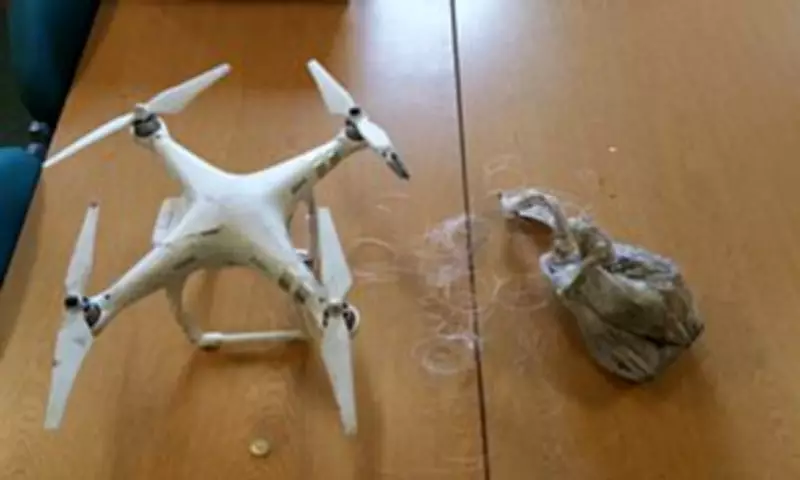
The NAO's findings emerge against a backdrop of a significant increase in criminals employing sophisticated drone technology to deliver drugs directly into prison facilities. In some alarming instances, these unmanned aerial vehicles have been flown straight into prisoners' cells, bypassing traditional security measures.
The auditors found that HMPPS has been too slow in responding to these urgent threats, leaving numerous prisons vulnerable to drug ingress. Examples highlighted in the report include security upgrade projects, such as the installation of window grilles designed to deter drone deliveries, taking several years to complete. Additionally, critical equipment like X-ray scanners remained inoperative for many months due to repair delays.
Prison Infrastructure Challenges
The physical condition and design of many prison establishments exacerbate the problem. The NAO noted that older prisons and listed buildings are particularly vulnerable to drug smuggling due to their age and structural limitations. This includes Grade II listed Victorian windows at facilities like Strangeways prison, which have frustrated plans to install protective grilles.
Growing Prison Drug Problem
Current statistics reveal that approximately 40,000 individuals in prisons across England and Wales have an identified drug problem. Worryingly, growing numbers of prisoners report developing substance abuse issues only after entering the jail system, indicating that the prison environment itself may be contributing to the crisis.
Official Responses and Criticisms
Gareth Davies, head of the NAO, stated: 'The proliferation of illicit drugs in prisons undermines rehabilitation efforts, damages inmate health, and destabilises prison environments. Yet too many basic controls and interventions are not being implemented effectively.'
Sir Geoffrey Clifton-Brown MP, chairman of the Public Accounts Committee which oversees the NAO's work, expressed serious concerns: 'HMPPS has not responded to rapidly evolving threats with sufficient urgency. Indicators such as increased drone sightings suggest the problem is both widespread and deteriorating.'
He emphasised the need for better coordination between HMPPS and health services to simultaneously address supply reduction and demand curtailment. Sir Geoffrey also called for greater clarity on future funding arrangements and enhanced cross-government partnerships as part of the ongoing ten-year drug strategy.

Systemic Issues and Resource Constraints
The report explicitly noted that prison governors informed the NAO they lack sufficient resources to combat the drug threat effectively. This admission highlights a troubling disconnect between allocated funding and practical implementation at the operational level.
The combination of unspent budgets, delayed security upgrades, and increasing technological sophistication among smugglers presents a formidable challenge to prison authorities. As drone technology becomes more accessible and drug problems within prisons continue to escalate, the pressure on HMPPS to effectively utilise available resources and implement timely security measures intensifies considerably.