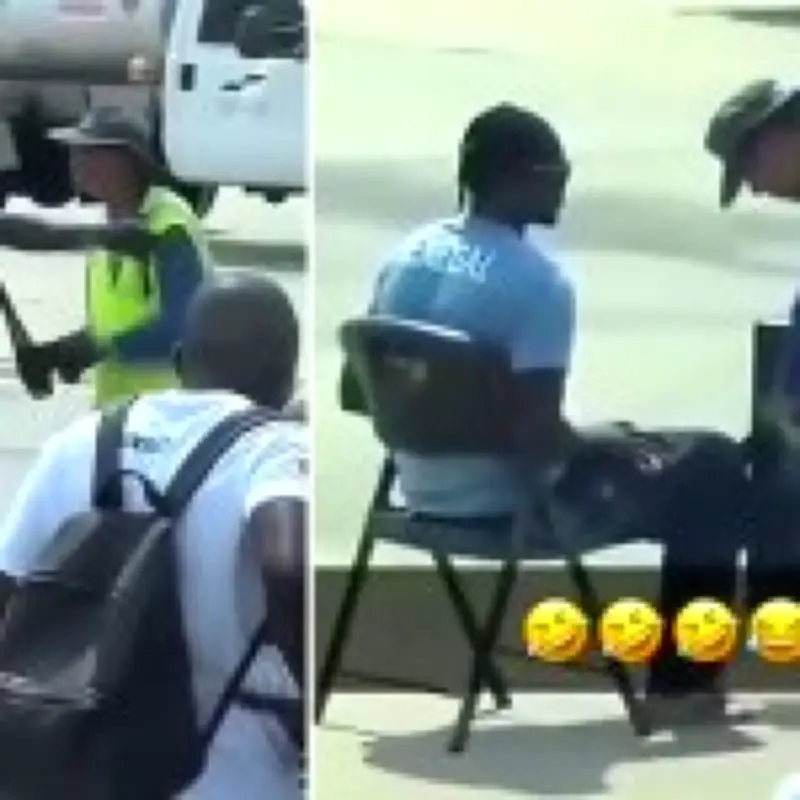
The United States has come under fire for subjecting members of the Senegal and Uzbekistan football teams to what critics describe as 'humiliating' security procedures ahead of the World Cup. The teams arrived in San Antonio and New York this month but were forced to undergo detailed screenings that some have deemed excessive and discriminatory.
Senegal and Uzbekistan Teams Face Intense Scrutiny
Senegalese players were subjected to thorough bag inspections at the airport, while Uzbek players encountered drug-sniffing dogs and metal detectors upon reaching their training venue. Video footage shows security officials testing players' shoes and scanning them on the tarmac. One social media user commented on the Senegal screenings: 'This is straight up humiliation and a disgrace. They'd never put white boys through the same.'
Footage from the Uzbek team's arrival at their training facility depicts coaches and players being scanned by security and instructed to pile their bags for inspection by a sniffer dog.

Broader Concerns Over US World Cup Security
Increased security measures and visa restrictions have highlighted procedural challenges at this year's World Cup in the United States. A Somali referee selected to officiate the tournament, Omar Artan, was denied entry at Miami International Airport due to 'vetting concerns'.
According to the BBC, over a quarter of participating World Cup nations are affected by travel bans to the US and face higher visa rejection rates. Due to visa issues and geopolitical tensions, members of Iran's football team were forced to land in Mexico. All three of Iran's group matches are in the US, but players and staff must fly in and out on the day of each game. Iran reported that 15 officials and staff were outright denied visas, calling it political interference.
A US administration official stated: 'We will not allow the Iranian team to abuse this system to sneak terrorists into the United States under false pretences.'
Fans Also Face Hurdles
Supporters are encountering significant obstacles as well. Julien Kouadio Adonis, a member of the Ivory Coast's fan association, described the bans as a form of segregation. 'No European country has faced this kind of restriction,' he told the BBC. 'Why Africa?' Adonis argued that football requires spectators and that a country unwilling to welcome all supporters should not host the tournament.