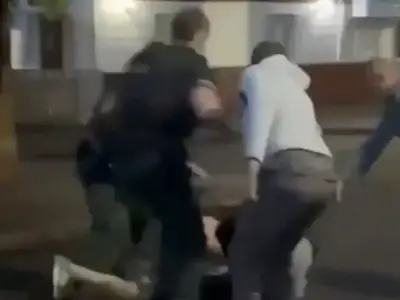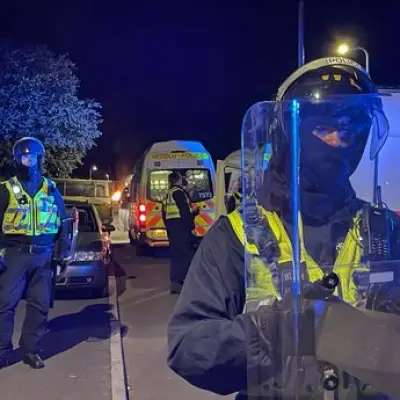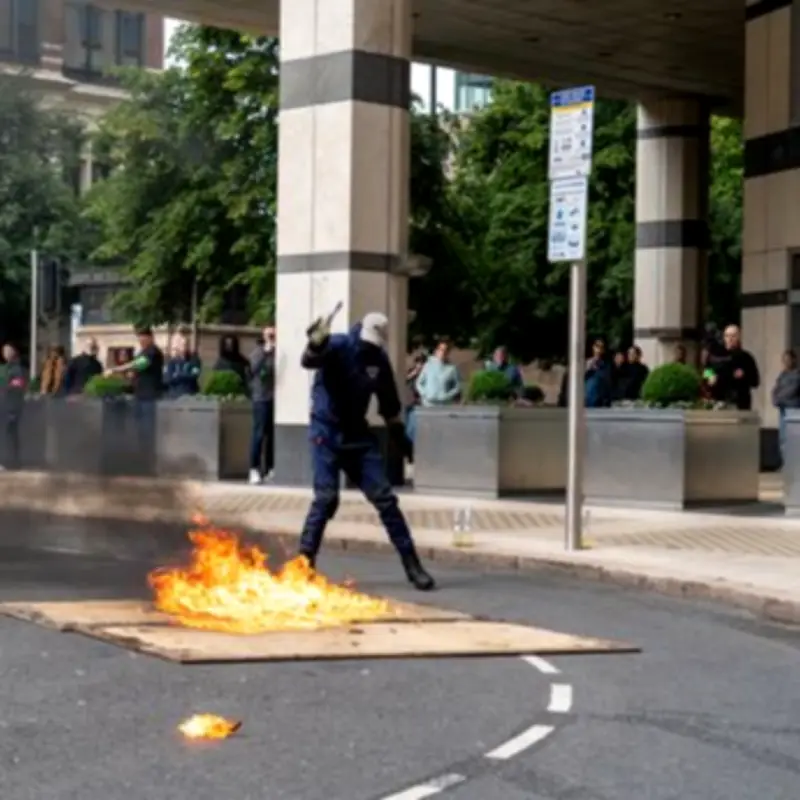
Up to 1,000 police officers, firefighters, and paramedics converged on Canary Wharf on Sunday, June 7, as London hosted its largest counter-terrorism training exercise in decades. Codenamed Operation Firebird, the drill incorporated lessons from the Manchester Arena bombing and employed new technologies, including live drone surveillance, to enhance emergency response capabilities. Dozens of actors with realistic injuries simulated the chaos of a mass-casualty incident.
Comprehensive Scenario Testing
Participants included frontline officers, specialist counter-terrorism teams, paramedics, firefighters, and Canary Wharf's security staff, all collaborating to test London's readiness for a terrorist attack. The exercise served as a poignant reminder of the 1996 Docklands IRA bombing, which killed two people and injured over 100.
Metropolitan Police Chief Superintendent Kris Wright, who directed the exercise, stated, "I'm incredibly grateful to Canary Wharf for providing us an iconic site to test these capabilities for what is, in fact, the largest exercise of its kind that I've ever been involved in, and in modern times." He noted the significance of conducting the drill at a location that experienced a notorious terror attack, emphasizing that as threats evolve, so must the response.

Lessons from Manchester Arena
The exercise incorporated experiences from real-life events, such as the 10-second triage method developed after the Manchester Arena bombing. This approach helps emergency services quickly categorize and care for victims with varying injuries during catastrophic events. Wright explained, "That is a lesson that's come from the tragic events of Manchester Arena, that everybody in emergency services is keen to embed and work together in a consistent format."
Organizers collaborated with local make-up colleges to create realistic-looking injuries for treatment at the scene. Wright added, "Exercises like this give me an opportunity to test what we already know or where we have seen opportunities to learn, and also to test those newer capabilities."
Public Reassurance and Vigilance
Wright stressed that the exercise was not in response to any specific threat but aimed to reassure the public. "If people find themselves caught up in horrendous events, be assured, we are coming, we are there to support and help," he said. He highlighted that the terrorism threat level across the UK is currently 'severe,' urging vigilance but also confidence in the emergency services' preparedness.
Security Minister Dan Jarvis commented, "Our emergency services work around the clock to keep us safe. Exercises like this ensure that should they be called upon, they are able to respond quickly, effectively and with confidence." He thanked all organizations involved and noted the record funding provided to intelligence agencies and counter-terrorism police.