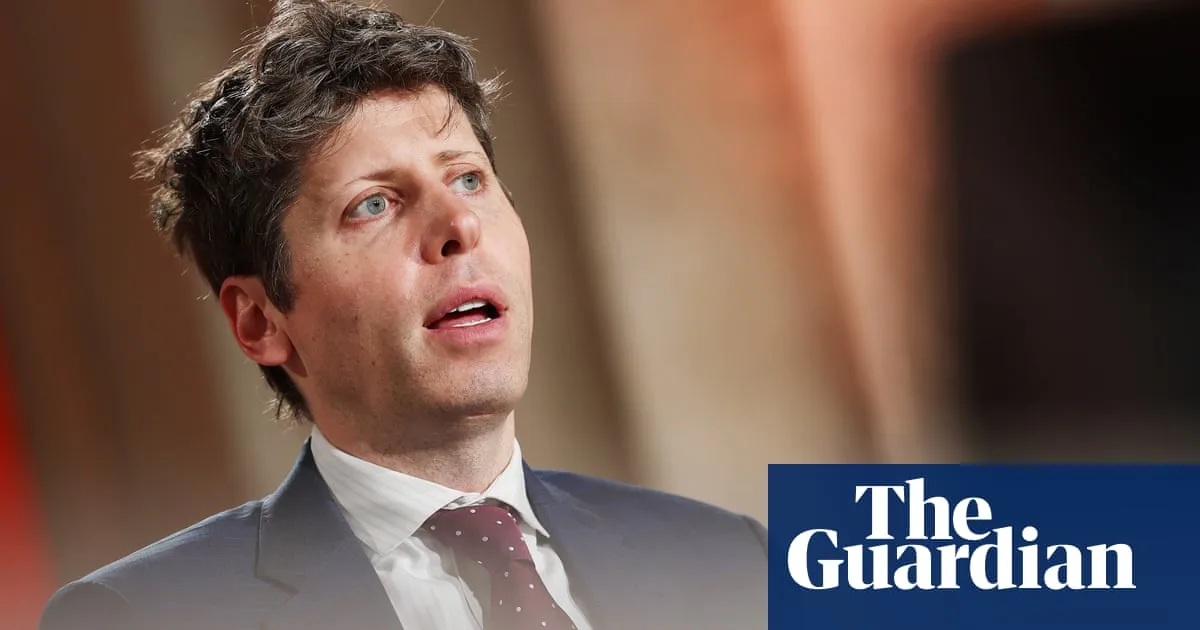
In the early hours of 10 April, a man approached the San Francisco home of OpenAI CEO Sam Altman and threw a Molotov cocktail at the building before fleeing. The suspect, 20-year-old Daniel Moreno-Gama, was arrested less than two hours later while allegedly attempting to break into OpenAI's headquarters with a jug of kerosene, a lighter and an anti-AI manifesto.
Federal and California state authorities have charged Moreno-Gama with attempted arson and attempted murder, among other crimes. His parents issued a statement saying their son had recently suffered a mental health crisis. Moreno-Gama, who has not yet entered a plea, faces up to life in prison if convicted.
The attack is the most prominent against a person or business linked to artificial intelligence amid growing discontent with the technology. Moreno-Gama had a history of posting anti-AI sentiment online, including a suggestion to 'Luigi-ing some tech CEOs' in reference to Luigi Mangione, who is on trial for killing UnitedHealthcare's chief executive.

Altman addressed the incident in a blogpost, calling for de-escalation of the AI debate and sharing a photo of his family. 'Images have power, I hope. Normally we try to be pretty private, but in this case I am sharing a photo in the hopes that it might dissuade the next person from throwing a Molotov cocktail at our house,' he wrote.
Two days after the attack, San Francisco police arrested two people for allegedly firing shots from a car outside Altman's home. They were released without charge, and an investigation is ongoing. Moreno-Gama allegedly travelled from Texas to carry out the attack, according to a federal complaint. Surveillance images show him throwing the firebomb, which bounced off the building without causing harm.
Federal authorities described the attack as an escalation of violence against big tech and vowed to use the full force of law enforcement. 'If the evidence shows that Mr Moreno-Gama executed these attacks to change public policy or to coerce government and other officials, we will treat this as an act of domestic terrorism,' said US attorney Craig Missakian.