The Metropolitan Police have successfully reduced phone theft offences by 13,000 in the year leading up to April, employing advanced technology such as drones and high-speed e-bikes. Overall, 67,064 phone theft offences were recorded during this period.
High-Tech Tactics
Using equipment that would make James Bond envious, the Met now deploys Sur-Ron high-speed electronic motorbikes, heat-seeking drones, and live facial recognition cameras. These tools are utilised by plain clothes officers and specialist interceptor teams as part of 'Operation Catchclaw'.
Gang Recruitment of Minors
Children, some as young as 13, are often recruited by gangs to carry out high-speed phone thefts, reportedly earning up to £200 per snatched device. Operation Catchclaw collaborates with charities to rehabilitate these young individuals and prevent reoffending.

Detective Superintendent Gareth Gilbert, who leads the operation, stated: 'What we realise is it's not a one-off operation because if we arrest someone, there are the people who see the lucrative market in these phones so they will fill that vacuum. This is an ongoing piece where we are arresting people and getting those positive outcomes.'
Significant Reductions in Crime
The Met reported a 21 per cent drop in theft from a person offences, translating to approximately 20,000 fewer victims. During a week-long operation targeting crime hotspots in Southbank, Borough Market, and Waterloo, Catchclaw officers reduced e-bike enabled crime, including phone thefts, by 40 per cent.
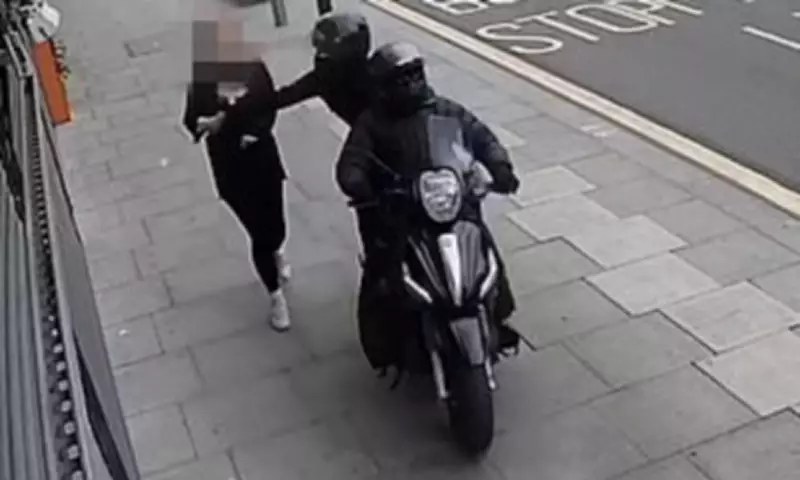
Many thieves use modified e-bikes and e-scooters that exceed regulated speeds, reaching up to 60 miles per hour. On Friday, officers identified a group of suspected phone thieves in Southwark using a distraction tactic where they asked members of the public to follow them on social media. Once victims unlocked their phones, the devices were stolen. Catchclaw officers intervened and arrested the alleged thieves within minutes.
Fifteen arrests were made over a 12-hour period for offences including robbery, theft, and drug-related crimes. Detective Gilbert added: 'We are cracking down on phone theft, and our tactics are delivering results. Across London, neighbourhood crime is down by more than 15 per cent. That's 40,000 fewer victims spared the stress, cost and disruption of crime.'
Challenges and Criticism
Despite these successes, figures revealed last month that phone theft has been 'effectively decriminalised', with fewer than one per cent of offences resulting in a charge. Almost nine in ten cases are closed without a suspect identified, and only 0.82 per cent of such crimes led to a charge across 17 police forces in England and Wales in 2024-25. There were 86,000 phone thefts reported to forces during this period.
A home affairs spokesman for the Liberal Democrats commented: 'People could be forgiven for concluding phone theft has been effectively decriminalised. Criminal gangs are feeling emboldened to strike in broad daylight, safe in the knowledge they have a less than 1 per cent chance of ever being caught.'
The Met has seized nearly 3,000 illegally modified vehicles since January 2025. Met Commissioner Sir Mark Rowley has called on phone manufacturers and technology companies to do more to prevent stolen devices from being reset and resold. By 1 June, industry leaders must implement meaningful measures to 'design out crime' and make stolen phones worthless, or the Met will ask the government to consider legislative action.
Phone Theft Statistics in London
More than 224,000 phones have been reported stolen in London over the past four years, though the actual number is likely higher. In 2025, Westminster recorded the most thefts with 18,932, followed by Camden (5,543), Southwark (5,276), and Hackney (3,977). Other boroughs in the top ten include Newham (2,990), Islington (2,737), Tower Hamlets (1,921), Haringey (1,704), and Brent (1,531). Sutton and Richmond-upon-Thames recorded the lowest levels, with 88 and 106 thefts respectively.

International Smuggling Network Disrupted
In October, the Met revealed they had disrupted an international network suspected of smuggling tens of thousands of stolen phones from the UK. The criminal organisation is believed to have smuggled up to 40,000 stolen phones to China over the past 12 months, accounting for up to 40 per cent of all phones stolen in the capital. Operation Echosteep was launched in December 2024 after a box containing about 1,000 iPhones destined for Hong Kong was found at a warehouse near Heathrow Airport. Officers discovered almost all the phones had been stolen. They intercepted further shipments and used forensic evidence to identify suspects. One man was charged with handling stolen goods after being stopped with 10 suspected stolen phones at Heathrow Airport last September. Officers also found two iPads, two laptops, and two Rolex watches. Further inquiries revealed the same man had travelled between London and Algeria more than 200 times in two years. Two other men aged in their 30s were arrested three days later in north-east London on suspicion of handling stolen goods. A number of phones were found in their car, and around 2,000 more devices were discovered at properties linked to the suspects.