The long-lost grave of Anna Maria Vassa, daughter of the celebrated Black abolitionist Olaudah Equiano, has been discovered in a Cambridgeshire churchyard, thanks to research conducted by an A-level student nearly 50 years ago.
Professor Victoria Avery of the Fitzwilliam Museum uncovered the student’s work from 1977 while researching a signed Equiano letter in Cambridge’s Magdalene College archive in 2021. The student, Cathy O’Neill, had photographed the likely location of Anna Maria’s plot in the churchyard of St Andrew’s in Chesterton. This October, Avery, along with independent researcher Dawnanna Kreeger and the Rev Dr Philip Lockley, confirmed the grave after finding eroded lettering on a footstone reading “AMV – 1797”.
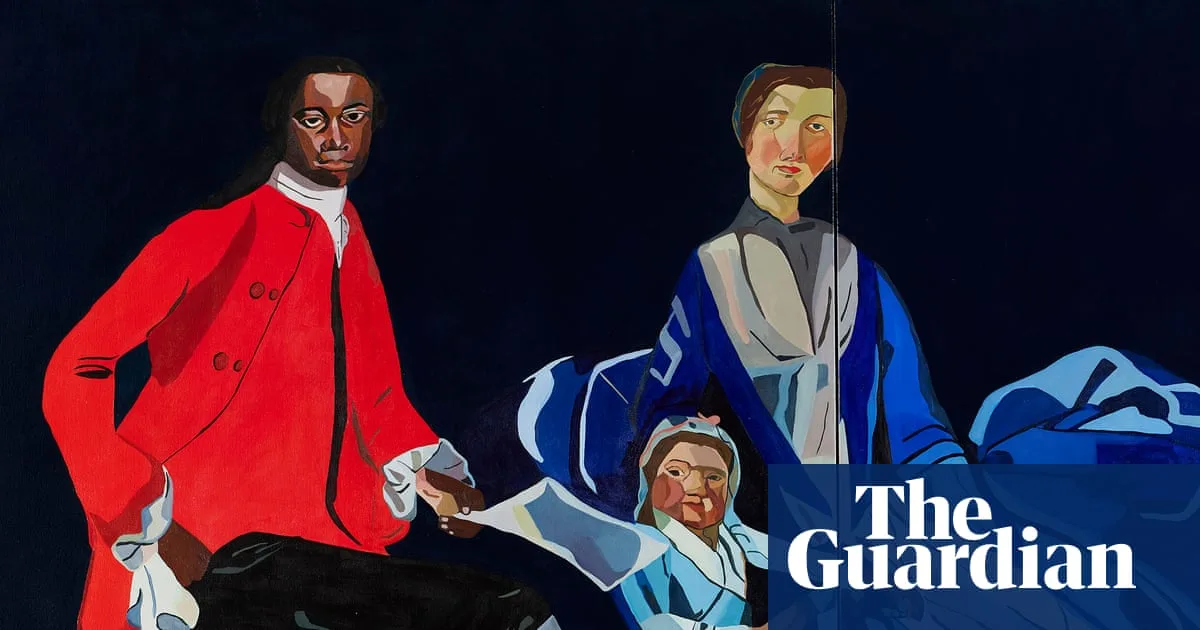
Anna Maria Vassa died aged three in 1797. Her father, Olaudah Equiano, escaped enslavement to become a bestselling author and campaigner in Georgian England. He married Susannah Cullen, an Englishwoman from Ely, and they settled in Soham, supported by local abolitionist friends. The couple had two daughters, but Anna Maria’s burial site was lost for centuries.

An epitaph on St Andrew’s north wall, written by Equiano’s friend Edward Ind, commemorates Anna Maria as a “child of colour” and describes her father’s enslavement, his marriage, and the local sorrow at her death. The church has held an annual remembrance day since the 1990s, and a community project renamed a bridge after Equiano in 2022.
Rev Lockley said the discovery brought “a deep sense of her being found”. The Church of England has welcomed the connection as a story of “liberation, justice, love and mercy”. St Andrew’s now plans to install a stained glass window commemorating Equiano’s family to further engage the community.