UAE Leaves OPEC, Shaking Up Global Oil Alliance and Price Influence
UAE Leaves OPEC, Shaking Up Global Oil Alliance

The decision by the United Arab Emirates to leave the OPEC oil cartel has shaken up the 65-year-old alliance that produces some 40% of the world's crude oil and exerts major influence over the price of energy around the globe.

UAE's Exit and Production Plans

Following its exit in May, the UAE said in an announcement Tuesday that it plans to carry on with its long-held goal of increasing crude production "in a gradual and measured manner, aligned with demand and market conditions." Right now, that is academic as far as oil prices go, since Iran is still blocking the Strait of Hormuz, which means much of the oil from Persian Gulf producers such as the UAE cannot be exported. However, the departure could have long-term effects on oil prices.

What Is OPEC?

The Organization of the Petroleum Exporting Countries was formed in Baghdad in September 1960 by Iran, Iraq, Kuwait, Saudi Arabia, and Venezuela. It has 12 members — counting the UAE — that hold more than 80% of the world's proven oil reserves. Other members include Algeria, Equatorial Guinea, Gabon, Libya, Nigeria, and the Republic of the Congo. The group, headquartered in Vienna, aims to regulate oil prices by coordinating increases or decreases in production.

Wide Pickt banner — collaborative shopping lists app for Telegram, phone mockup with grocery list

The goal has been to keep prices high enough so member governments can balance their budgets and reap the benefits of their natural resources — but not so high as to cause a recession in consuming countries or to halt energy-consuming activity, a phenomenon known as demand destruction. That approach has sometimes drawn pushback from leaders in the U.S., where the price of gasoline is highly political. President Donald Trump at one point accused OPEC of "ripping off the rest of the world," and his predecessor Joe Biden also badgered OPEC to produce more oil.

OPEC says its objective is "to coordinate and unify petroleum policies among member countries, in order to secure fair and stable prices for petroleum producers; an efficient, economic and regular supply of petroleum to consuming nations; and a fair return on capital to those investing in the industry." The creation of OPEC signaled a change from a world in which Western companies dominated the oil market to one where the countries with the reserves took more control over their resources and profits.

At times, OPEC's production moves have had large effects on the global economy. In 1973, its Arab members imposed an oil embargo on the U.S. and other countries that supported Israel during the Yom Kippur War. Oil prices quadrupled, and long lines appeared at American gas stations. In 2016, OPEC joined with another 10 oil-producing countries, the largest of which is Russia, to form an alliance known as OPEC+.

UAE's Friction with OPEC

The UAE is seeking more independence in how much oil it sells. Cartels keep prices higher, but they restrict members' earnings and market share against non-cartel members. There has been longstanding friction between the UAE and Saudi Arabia, the biggest OPEC producer and de facto leader of the cartel. One reason for producing more now: Experts think oil consumption will peak in coming years as the world transitions to renewable energy sources that do not emit carbon dioxide, the greenhouse gas that fuels climate change. That means barrels underground could be worth more today than they might be later, when oil consumption declines, so restraining production might mean losing out on profits.

Impact on OPEC's Leverage

The UAE's withdrawal removes one of OPEC's few members with the ability to quickly increase production — the mechanism through which the cartel manages oil prices, said Jorge Leon, head of geopolitical analysis at Rystad Energy. "A structurally weaker OPEC, with less spare capacity concentrated within the group, will find it increasingly difficult to calibrate supply and stabilize prices," Leon said. "The net effect points to a more fragmented supply landscape and a potentially more volatile oil market over time as OPEC's capacity to smooth imbalances diminishes."

Pickt after-article banner — collaborative shopping lists app with family illustration

Current Strait of Hormuz Blockade

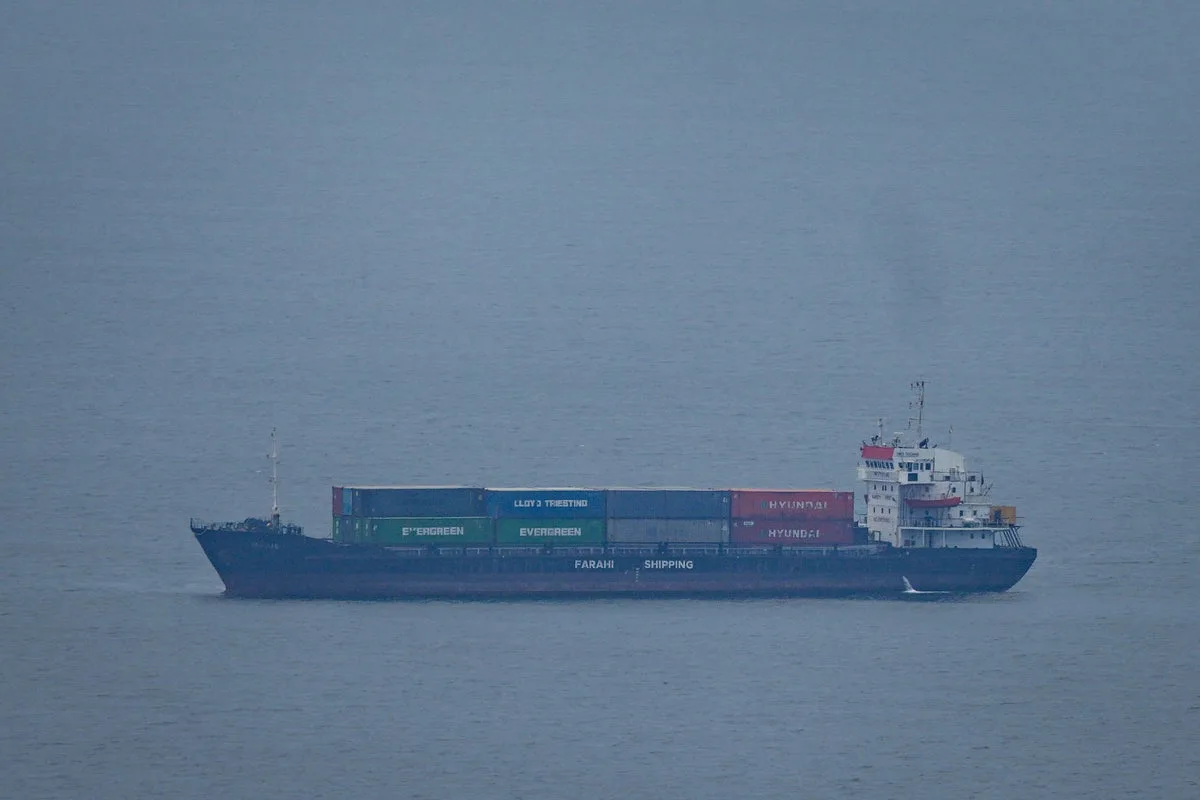
Iran is blocking the Strait of Hormuz, the passage for tankers carrying a fifth of the world's oil and gas supplies. That prevents much of the oil produced by Persian Gulf countries such as Saudi Arabia and the UAE from getting to customers. For the short term, that is the biggest issue affecting oil prices, which have risen sharply as a result. If the UAE achieves its goal of producing more oil after the war, that could speed a return to price levels more in line with those before the war, said Michael Brown, research strategist at Pepperstone foreign exchange brokerage. "As for crude in the here and now, all that really matters is whether the Strait of Hormuz is open or closed," he said. "At present, it's essentially shut, tightening supply conditions day by day and probably seeing benchmarks continue to grind higher on a daily basis as well."




