Britain Is Already at War. We Must Prepare for Hybrid Threats Now

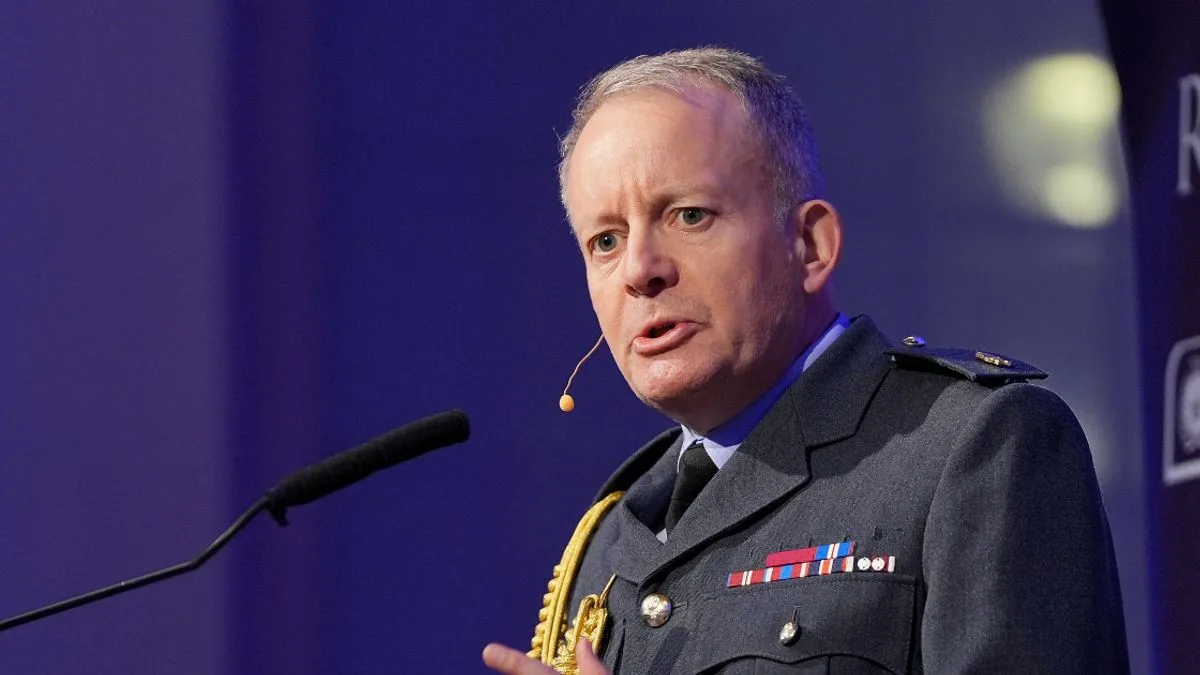
It is time MPs levelled with the public: Britain is already at war, and the nation must take two critical steps to survive. This startling assertion comes from Labour MP and former RAF wing commander Calvin Bailey, who made the case at a Good Growth Foundation conference in London last week. While the idea of hybrid attack is common in defence circles, politicians have largely skirted the issue. Bailey unpacked his reasoning, arguing that war is no longer what most people think it is.

The Five Fronts of Modern War

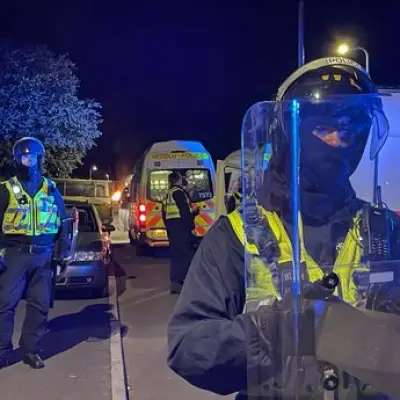
If war is defined as an assault on five fronts—political leadership, critical infrastructure, essential supplies (food and fuel), civilian population, and armed forces—then Britain is currently under attack on the first four without a single shot being fired. Examples include rampant Russian-generated political disinformation on social media, attempts to bribe British politicians, Russian submarine surveillance of undersea cables carrying most of Britain's internet traffic, four nationally significant cyber-attacks recorded every week, and the blockading of food and fuel supplies through the Strait of Hormuz. Prime Minister Keir Starmer warned in the Sunday Times of conflict with Iran coming home to British civilians via the use of proxies. Counter-terrorism police are investigating whether a spate of arson attacks on synagogues, Jewish-owned businesses, and Iranian residents in Britain may have been sponsored by Tehran—a tactic familiar from the Russian playbook for sowing division and hate.

Shadow Warfare and Societal Resilience

Such attacks fuel fear that Britain is unsafe for Jews and Iranians seeking sanctuary, while feeding a far-right narrative that immigrant communities cannot peacefully coexist. This constitutes a highly deniable form of shadow warfare, weaponising a country's own weaknesses and prejudices while stopping short of causing casualties. Bailey, who led RAF evacuation flights from Kabul in 2021, argues in a Fabian Society essay that Britain should prepare for escalation. The strategic defence review, commissioned by former Labour defence secretary George Robertson, similarly argued that Britain must equip for homeland defence against a well-armed peer country in sustained conflict, rather than expeditionary wars against non-state actors alongside the US. The next big war may come closer to home, fought from necessity rather than choice.

Wide Pickt banner — collaborative shopping lists app for Telegram, phone mockup with grocery list

Practical Preparations Needed

Forgotten in the row over defence funding—Bailey's answer includes new borrowing instruments and procurement reform—is Robertson's call for a national conversation, levelling with the public about what this means. Starmer seems to be engaging, though perhaps too late. Robertson and co-author Fiona Hill are due before a parliamentary committee, and Hill is expected to spell things out in a lecture. Despite seeing the damage cheap drones can do in Ukraine and the Gulf, Britain is not properly prepared for a drone flying through a strategically important building. The overstretched NHS may not handle mass casualties, and the country lacks stockpiled food supplies or analogue backups to digital systems. Preparing for this unfamiliar attack involves not just tanks and jets, but shoring up the public realm and forging a more trusting, tolerant society resilient to extremism.

Starmer has not yet articulated this vision. If local election results are poor, he may not be in office to make the case. But any successor must show capability to lead under attack and explain the puzzling nature of the threat without inducing panic. A war this hard to discern may not feel like a threat, but lives may depend on seeing clearly into the shadows.

Pickt after-article banner — collaborative shopping lists app with family illustration