Baltimore has experienced a dramatic drop in violent crime, with the number of murders over the past seven months hitting a 50-year low. As of 15 August, the rolling 365-day murder count stood at 165, putting the city on track for a murder rate below 30 per 100,000 residents for the first time since 1986. If the pace set since January continues, 2025 would end with 143 murders, a rate of about 25 per 100,000—last seen in 1978.
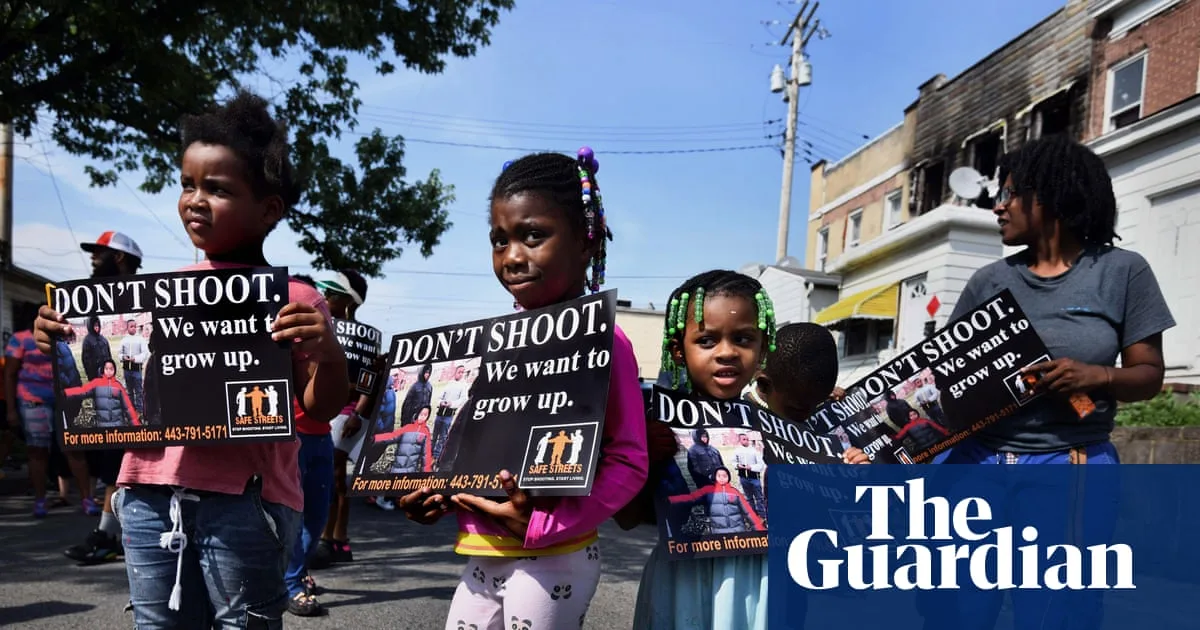
The improvement is attributed to a combination of factors, including targeted violence prevention programmes like Safe Streets, which uses community members to de-escalate conflicts. Sean Wees, a Safe Streets worker, described an incident where he and a colleague intervened in a potential shooting: “The guys had guns pointed at each other. We got in between.” Such personal intervention has been key, he said, stressing the importance of rapport: “Because if you don’t have that rapport, you’re not going to get them to put away those guns.”
The city’s progress follows years of turmoil after the death of Freddie Gray in police custody in 2015, which sparked protests and riots. Historian Dr Lawrence Brown noted that the unrest led to a recognition that “equity needs to be a priority.” However, the breakdown in trust between police, politicians, and the public initially drove crime rates up, with homicides hitting a 42-year high three months after Gray’s death.

Despite the recent gains, experts warn that cuts to federal funding under Donald Trump could reverse the trend. The violence prevention programmes rely on sustained investment, and any reduction risks a rebound. For now, Baltimore’s transformation stands as a testament to coordinated efforts by social workers, prosecutors, and community leaders, but the fragility of the progress remains a concern.