
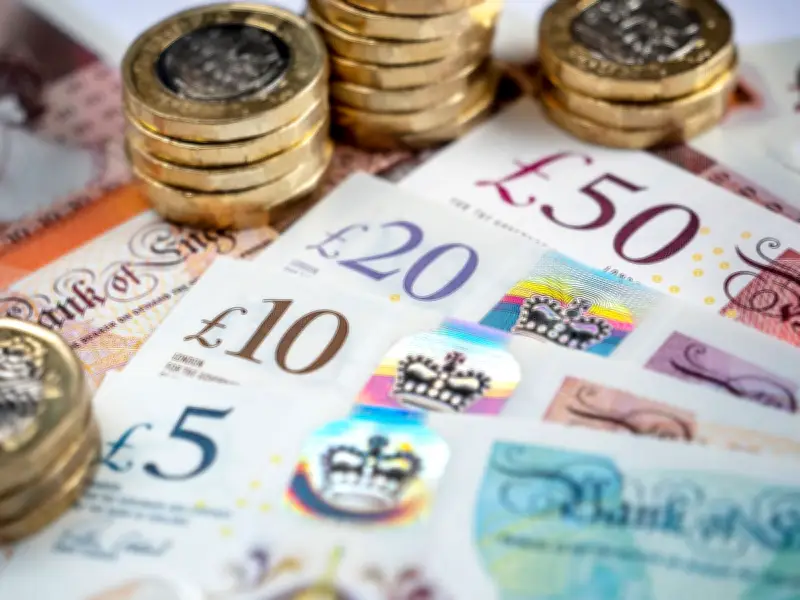
Britons are being urged to scrutinise their cash as the number of counterfeit banknotes in circulation has surged dramatically. New data from the National Crime Agency reveals that last year saw more than double the amount of fake notes compared to 2024, with £20 and £10 notes being the most commonly counterfeited denominations.
Legal consequences of counterfeit notes
It is a criminal offence to manufacture, knowingly pass, or possess counterfeit notes with the intention of using them as genuine. Offenders face up to 10 years in prison and potential asset confiscation. However, many people unknowingly end up with fake notes, only discovering the truth when they attempt to use or deposit them.
Impact on victims
Counterfeit banknotes are considered "worthless" by the Bank of England, which does not reimburse those who accept them in good faith. BBC Breakfast interviewed postmaster Imran Khan, who described how small businesses can suffer when machines reject fake notes during deposit, leaving owners out of pocket.
Despite the increase, accidental receipt remains rare. The Bank of England notes that approximately 5 billion genuine notes are in circulation compared to an estimated 200,000 counterfeits. The key to avoiding loss is checking notes before acceptance.
How to spot a fake banknote
Genuine notes feature several security elements. Look for a silver foil patch at the bottom that changes between the word 'pound' and the note's value when tilted. A 3D image of the coronation crown appears above the main see-through window. Raised print is present on the front, and a large see-through window displays either King Charles III or Queen Elizabeth II.
Additional security features are listed on the Bank of England website. The Bank also urges reporting any online adverts offering counterfeit notes, stating: "Counterfeiting directly funds organised crime. It hurts the UK economy by creating losses for businesses, which ultimately affects the cost of things that we buy. It also affects the pocket of anyone who receives a counterfeit note, as they are worthless. If you report counterfeiting to the police, you are helping with investigations and alerting them to a problem in their area. This means that they can take action to protect your community."




