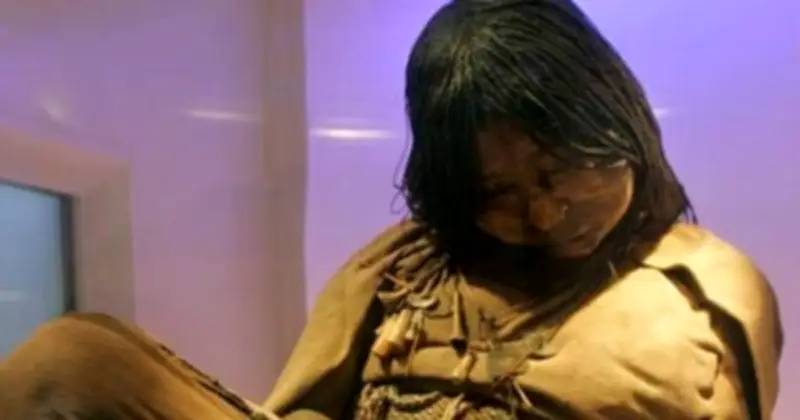
Three Incan children were systematically drugged with coca leaves and alcohol for months before being ritually sacrificed on a volcano in Argentina. The chilling discovery of their frozen mummies, unearthed in 1999, has provided new insights into the brutal practices of the ancient empire.
Discovery of the Frozen Mummies
The children were found entombed in a shrine near the summit of the Llullaillaco volcano, standing 6,739 metres above sea level. Their remarkably preserved bodies revealed harrowing evidence of months of violence and trauma.
Analysis of Hair Samples
Archaeologists from the University of Bradford analysed hair samples from the three mummies. The results showed that all three children had consumed coca leaves and alcohol in the months leading up to their deaths. The eldest child, known as the 'Maiden', ingested significantly more of these substances than the other two.

The Maiden, around 13 years old, had been treated distinctly. She consumed coca and alcohol for nearly two years before her sacrifice, while the younger children—the Llullaillaco Boy and Lightning Girl, aged four and five—only began receiving these substances about nine months before their deaths.
Dietary Changes and Ritual Preparation
The children's diets shifted dramatically from humble peasant fare, such as vegetables and potatoes, to an elite diet of maize and dried llama meat. This change was likely intended to fatten them up for the sacrifice. The Maiden consumed considerably more food than the younger children.
Lead author Andrew Wilson noted that the Maiden's sacrifice was seen as an honour within the Incan empire. She became a revered figure, possibly selected to live among the elite and under the care of priestesses.
Final Moments and Death
The Maiden was found seated cross-legged, leaning slightly forward, with a full stomach and adorned with a feathered headdress and artefacts. Her coca consumption peaked six months before her death, while alcohol intake spiked weeks prior. Researchers believe she was sedated at the time of her death, possibly succumbing to freezing temperatures.
In contrast, the Llullaillaco Boy showed signs of a more violent death, with bloodstains on his cloak and evidence of smothering. The Lightning Girl, named for a lightning strike that damaged her body, appeared to have died less violently but received less care than the Maiden.
Social Control and Ritual Significance
Scholars argue that these sacrificial rituals functioned as a means of social control. While considered an honour, they likely provoked deep terror. Parents were forbidden from showing grief when surrendering their children to death.
The findings provide a detailed chronology of the children's short lives, revealing the systematic drugging and dietary changes that preceded their tragic end. The mummies remain on display at the High Mountain Archaeology Museum in Salta, Argentina.