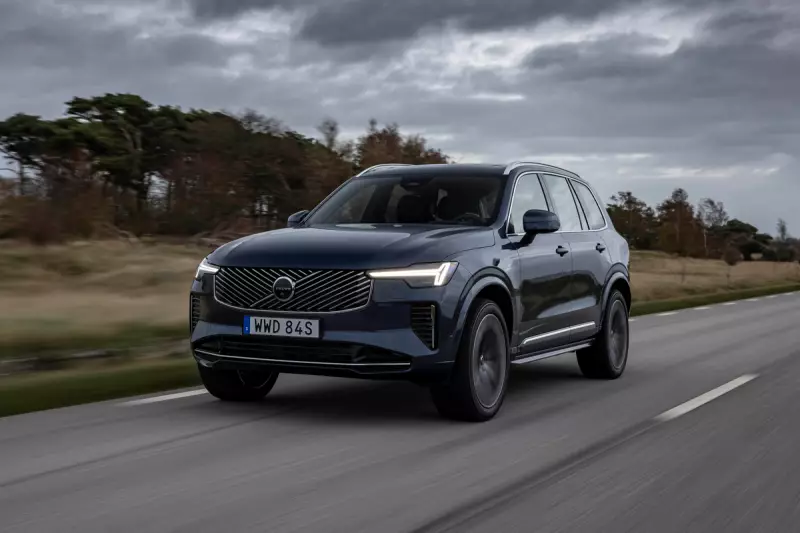
Volvo has unveiled a significant update for its flagship XC90 SUV, but the decade-old model is starting to show its age beneath a polished new exterior. The plug-in hybrid, which starts from £72,760, aims to bridge the gap until the all-electric EX90 arrives, yet key aspects of the upgrade feel disappointingly dated.
Steve Fowler, Electric Vehicles Editor, tested the car in Germany in December 2025 while judging the Car of the Year awards. He found that while the XC90's premium interior and practicality remain strong, its new technology and driving dynamics struggle to match modern rivals.
A Premium Cabin Let Down by Budget Tech
The XC90's interior has received a thorough refresh with posher materials, more recycled content, and tasteful ambient lighting. It remains a spacious and classy cabin, offering comfortable seating for seven—a rarity in the plug-in hybrid SUV market where batteries often consume passenger space.

However, the centrepiece of the update, a new 11.2-inch touchscreen, has drawn sharp criticism. Fowler describes it as resembling "something bought from Temu" rather than a bespoke premium unit. With thick, plasticky bezels, it looks outdated compared to the slim screens found in contemporary vehicles. Thankfully, the Google-powered software running on it is up-to-date and user-friendly.
Practicality is a clear win. With all seats in place, the boot offers 298 litres of space. Fold the rear seats and capacity expands to a massive 1,941 litres, with a load length of over 1.9 metres—perfect for flat-pack furniture.
Driving Experience and Powertrain Performance
The heart of this updated model is its plug-in hybrid system, badged T8. It combines a 2.0-litre petrol engine with an electric motor and a 19kWh battery, enabling a 0-62mph sprint in 5.4 seconds.
The major letdown is its all-electric range of just 44 miles. While sufficient for many daily commutes, it feels behind the curve. When the battery depletes, the transition to petrol power is not seamless; the four-cylinder engine is noisy and its activation delivers an unwelcome jolt.
Volvo has tweaked the optional air suspension, but the ride can feel "fidgety" and "jiggly," according to the review, with tyre and suspension noise intruding on cabin refinement. The official combined range is up to 541 miles, with a claimed efficiency of 217mpg.
Rivals and Value Proposition
The XC90 occupies a niche. Few seven-seat plug-in hybrid SUVs exist, with its main competition being the Hyundai Santa Fe and Kia Sorento. The Volvo is more expensive but offers superior perceived quality.
Running costs hinge on regular charging. Using a low-rate EV tariff can slash expenses, and its low CO2 emissions benefit company car tax. The hybrid battery is covered by an eight-year or 100,000-mile warranty.
In conclusion, the Volvo XC90 remains a handsome, practical, and luxurious family hauler. Yet, its cheap-looking tech upgrade, limited EV range, and imperfect ride highlight the challenges of updating an old platform. It earns a 6/10 rating, ultimately feeling like a posh relative in trendy clothes that can't conceal their advancing years.