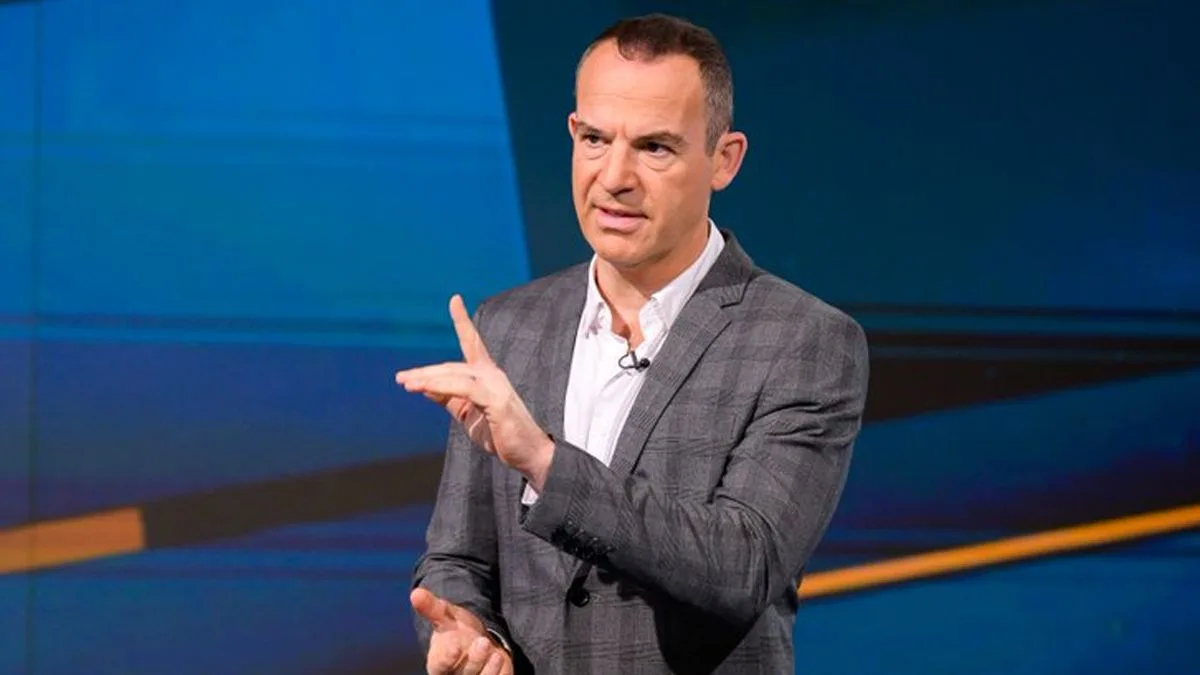
Martin Lewis's £200k Warning to Unmarried Couples Over Inheritance Tax
Martin Lewis's urgent inheritance tax warning for cohabiting couples

Money-saving expert Martin Lewis has issued a stark financial alert to couples who live together but are not married or in a civil partnership. During a recent episode of his ITV programme, the consumer champion was asked to prioritise key financial planning steps for the year ahead.

The Inheritance Tax Marriage Advantage

A viewer questioned whether to focus first on wills and Power of Attorney or on pensions, tax, and inheritance matters. While Mr Lewis emphasised the immediate importance of setting up a Power of Attorney, he used the question to underline a substantial financial benefit exclusive to legally recognised unions.

He explained that while only 6% to 8% of estates actually pay inheritance tax, the rules create a major disparity. Married couples and civil partners can pass on up to £1 million free of inheritance tax to their direct descendants, primarily by combining their allowances. For unmarried individuals, the threshold is just £500,000.

"When we talk about marriage it applies to anyone who is married or who has a legal civil partnership," Lewis stated. "But this does not apply to you if you are just cohabiting."

The £200,000 Difference in a Real-World Scenario

To illustrate the point, Lewis presented a clear example. Imagine an unmarried couple with combined assets, including their home, worth £1 million. When the first partner dies and leaves everything to the other, they use their £500,000 tax-free allowance.

The surviving partner then holds £1 million in assets. Upon their death, only their own £500,000 allowance remains. This means £500,000 of the estate passed to children would be liable for inheritance tax at 40%, resulting in a staggering £200,000 bill.

For a married couple in the same situation, the outcome is dramatically different. Assets passed to a spouse are tax-free, and the first spouse's unused allowance transfers to the survivor. Consequently, the second spouse can leave the full £1 million to the children completely free of inheritance tax, saving the family £200,000.

Why Power of Attorney Comes First

Despite highlighting these long-term inheritance benefits, Martin Lewis was clear on the most urgent action for 2026. He advised viewers to prioritise setting up a Lasting Power of Attorney above all else.

"If you don't have a Power of Attorney in place, and you were to have an accident tomorrow... then it is frankly a nightmare," he warned. He stressed that it is not just for the elderly, urging younger people to act to ensure someone can manage their finances and health decisions if they lose capacity.

"That's the one I'd do first," Lewis concluded, noting he has had his own in place for 15 years despite no foreseeable need.

The full discussion, which took place on his podcast on 14 January 2026, delves deeper into these critical financial planning steps, offering essential guidance for couples and individuals aiming to secure their financial future.




