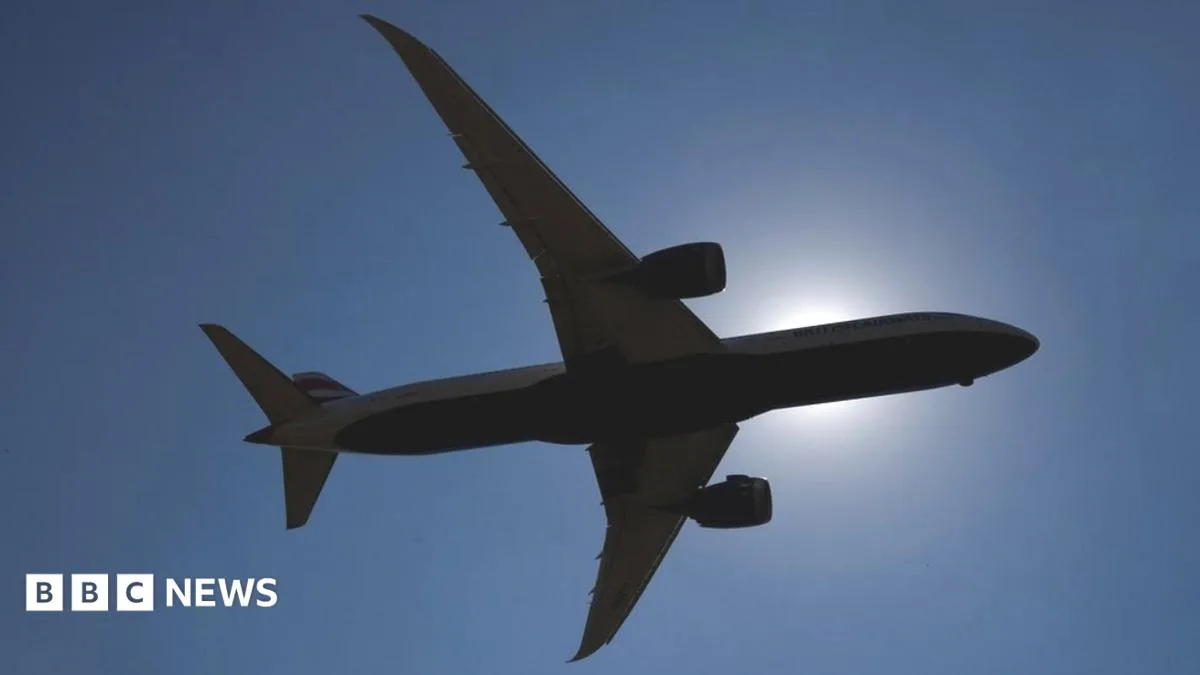
Holidaymakers have been warned to prepare for a summer of flight cancellations and disruption as ministers unveiled plans aimed at limiting the impact of fuel shortages. Under new Department for Transport rules outlined on Sunday, airlines will be given the freedom to cut flights from their schedules if they can fit passengers on to other planes with empty seats. It means they can cancel flights without fear of losing their take-off and landing slots – which can be worth millions of pounds.
Government measures and expert reactions
Transport Secretary Heidi Alexander acknowledged there could be disruption under her emergency measures, but insisted that 'the majority' of holidaymakers won't be affected. Experts said it was likely to lead to fewer last-minute cancellations, while passengers would be given several weeks to prepare for any changes to their journeys. It is hoped it will also eke out jet fuel supplies, meaning more passengers reach their destinations. However, they warned it would still spark a 'summer of stress' for thousands, as those affected face having to adjust accommodation dates and car hire times.
Rising costs and supply risks
Holidaymakers are already facing higher fares because the cost of jet fuel has doubled during the Iran war. The UK and Europe are particularly reliant on imports for the fuel. The closure of the Strait of Hormuz threatens to squeeze supplies further and spark cancellations in the coming weeks. It comes after traders warned that global oil markets were just four weeks away from a 'tipping point' that will drive prices even higher. Around a fifth of the world's oil travels through the Strait, and its blockade has also sent household energy bills soaring along with pump prices for drivers.
Paul Charles, chief executive of travel consultancy The PC Agency, said: 'The good news is that the Government is trying to get airlines to cancel any flights well in advance. But the bad news is that cancellations might be needed after all. Passengers will likely see flights being combined each day, especially on routes with higher frequency such as London to New York, London to Miami, and potentially some services that are currently daily which may instead go four times a week. Passengers will bear the brunt of these changes, at best being inconvenienced but, at worst, facing major changes to their summer plans and having to alter other parts of their holiday plans, for example accommodation and car hire, especially if they're moved on to a flight arriving at a totally different time to the one they originally planned. Stand by for a likely summer of stress, for passengers as well as airline teams.'
Consumer and political backlash
Consumer group Which? hit out at the rule change for being 'bent in favour of airlines', while Tory transport spokesman Richard Holden said families could find themselves 'herded on to a different plane, at a time of the airline's choosing'. 'The honest message is that Britain is exposed to fuel supply risks that a properly energy-secure country would not face,' he added. On Sky News's Sunday Morning with Trevor Phillips, Ms Alexander said that airlines have 'good visibility over the next six to eight weeks of jet fuel supply' – suggesting flights after this may be at risk. She added: 'There is no current disruption to jet fuel supplies. We are, for example, importing more jet fuel from America. We have asked the refineries in the UK to maximise their production. I am confident, on the basis of the information I have available to me, that the majority of people who are traveling this summer will have a similar experience to that which they had last year.'
Airlines UK, which represents major carriers such as BA, Easyjet and Ryanair, said: 'We welcome the Government's contingency planning, including slot alleviation, which is one measure which enables airlines to adjust schedules responsibly, avoid unnecessary flying [where passenger numbers are low] and continue operating efficiently while protecting connectivity for passengers.'






