
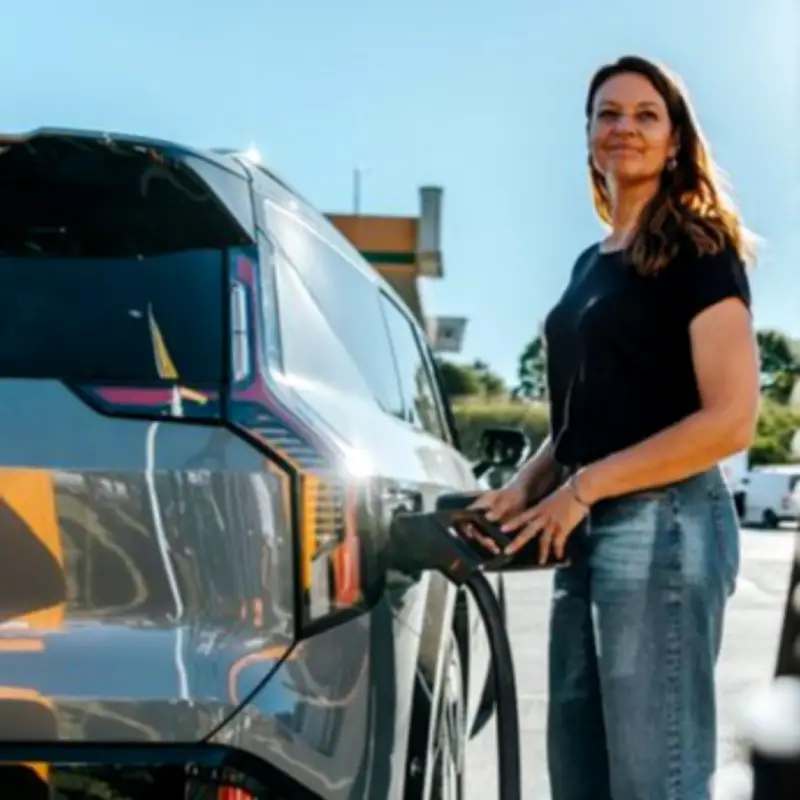
Almost a third (31%) of UK motorists are put off owning an electric vehicle (EV) due to new proposed taxes being introduced from 2028, according to research from car insurance experts at Confused.com.
Main barriers to EV adoption
The research found that being too expensive (67%), a lack of charging points in their area (34%), and insufficient range (28%) are the primary reasons deterring people from buying EVs. Following the April announcement of a potential pay-per-mile tax on EVs, only 38% of drivers said they would definitely keep their EV once the new tax comes into effect, compared to 7% who are unlikely to keep it.
Current EV landscape
Fully electric cars account for around 5.9% of all cars on UK roads, equating to over 2 million vehicles. However, 5% of EV owners have already switched back to a petrol, diesel, or hybrid car. The new charge, set to begin in 2028 based on the 2025 Autumn Budget, proposes costs of 3p per mile for fully electric cars and 1.5p per mile for plug-in hybrids. This could mean EV drivers traveling 10,000 miles annually pay £300 in tax.
Cost-effectiveness compared to petrol
Despite the new tax, an EV can still be cost-effective to run, as the cost per mile is roughly half of what petrol and diesel drivers pay in fuel duty. However, many drivers remain hesitant due to high upfront costs (67%) and a lack of charging infrastructure (34%). Previous research from Confused.com revealed there are 28,734 council-owned public EV chargers, with 24,687 new ones potentially installed in the next two years. As of 2025, there was just one council-owned EV charger per 36 EV drivers in the UK, contributing to 26% of past EV users switching back due to inconvenience.
Transition timeline
The average timeline for UK drivers to transition to EVs now spans five years, pushing the switch-over year to 2031, just four years before the COP28 scheme's deadline for all new vehicles to be zero-emission by 2035. For 17% of drivers, the ban on new petrol and diesel cars by 2030 would encourage a switch, while 29% said a lower upfront purchase price would sway their decision.
Expert insights
Matt Crole-Rees, motor expert at Confused.com, said: "The government's plan to transition to EVs instead of petrol and diesel cars by 2030 and the hybrid ban in 2035 may feel overwhelming for some motorists as cost, convenience, and range are barriers for drivers switching to EVs. Even more changes are coming in 2028, including the eVED pay-per-mile tax and annual increases. It's important that drivers understand these changes, why they are put in place, and the impact they can have on their spending."
Despite upfront costs, EVs can still be cheaper to run due to lower electricity costs compared to petrol. With the drop in wholesale oil costs, many anticipate further increases in petrol prices. The research shows 73% of drivers currently use a petrol car, indicating the full switch to EVs is still distant. Nearly half (47%) of drivers said the new road tax has not influenced their decision to switch.
Confused.com has developed an EV Pay-Per-Mile Tax Calculator to help drivers understand the upcoming 2028 changes and estimate potential costs. Crole-Rees added: "It's important to remember that these anticipated changes may also change before 2028, so drivers should monitor relevant announcements closely."




