Mousehole's Lost Bus Stop: A Village Fights for Accessibility and Community
In the picturesque fishing village of Mousehole, Cornwall, a quiet crisis is unfolding as residents grapple with the loss of a vital bus service. Long-time resident Judy O’Shea is among the 5,000 locals who have signed a petition titled 'make Mousehole accessible again', highlighting the profound impact of this change. Once described by Welsh poet Dylan Thomas as "the loveliest village in England", Mousehole now faces challenges that threaten its accessibility and community spirit.
The Disappearing Bus Route
Until recently, buses would travel directly to the harbour, a service that had been operational since the 1920s. However, in February, the Go-Ahead transport group took over the route from First Bus, replacing the small, ice-cream-van-like buses with full-size vehicles, including double deckers. These larger buses are deemed unsafe for Mousehole's narrow streets, forcing the route to end at the village edge. This decision has left many residents, particularly the elderly who make up around 40% of the population, struggling to reach the new stop.
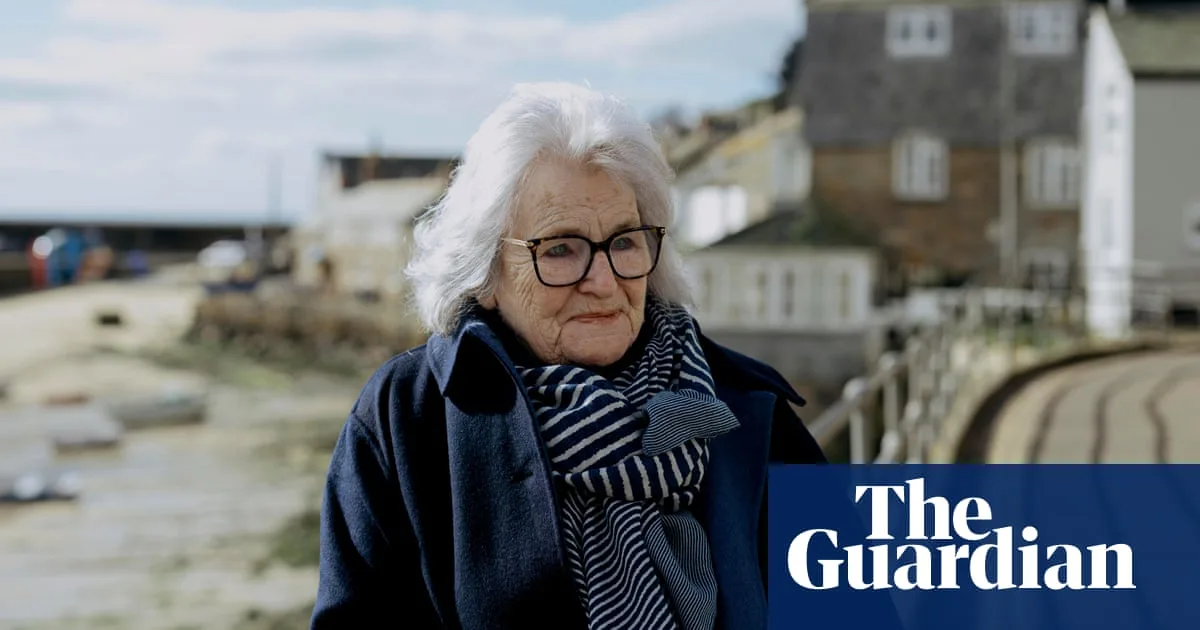
Residents have responded with creativity and protest. 'Save Our Stop' flyers adorn windows, and a banner invites passersby to sign the petition. To make the new stop more comfortable, garden chairs have been tied to railings with rope, dubbed the "oxygen station" by 83-year-old Judy O’Shea. She explains, "It’s a big loss" for her, as arthritis and reliance on a walking stick make the uphill walk without pavements impossible. Previously using the bus at least three times a week, she now feels isolated without it.
Personal Stories of Struggle
Other residents share similar hardships. Hannah Devenney, 50, notes that her family has been severely affected. Her children can no longer catch the bus alone due to unsafe walking conditions, and her disabled mother and stepfather with emphysema face increased difficulties. Devenney herself, suffering from spinal arthritis, has reduced her bus use from "most days" to almost never, switching to online shopping and feeling more cut off from the community.
Mousehole's charm belies its practical challenges. The village lacks essential amenities such as a cash machine, pharmacy, or affordable food shop, with only a high-end deli available. A taxi round trip to nearby Penzance costs approximately £35, making the bus a crucial lifeline. Tim Pullen, 67, observes that this loss is "another example of hollowing out Mousehole", contributing to its transformation into a "shell holiday village". He recalls when the village had a butcher, post office, and general store, all now gone.
Broader Implications for Public Transport
This issue reflects wider trends in rural bus services across England. Michael Solomon Williams, head of external affairs at the Campaign for Better Transport, notes that bus stops are "a shop window for public transport", and their removal can lead to negative perceptions and reduced usage. Statistics reveal that almost a fifth of England's rural bus services were cut in the past five years, with London losing 40 routes in the last two years alone.
Richard Stevens, managing director for Go South West, explains the financial pressures behind the decision. Patronage has not recovered to pre-Covid levels, and funding changes, such as the £2 flat fare cap (now £3), have triggered passenger decline. Operating costs have risen, and reimbursement models favour urban areas over rural ones. Stevens acknowledges the social inclusion needs but says, "It’s really, really challenging" to make profits with current caps and fuel price increases due to global conflicts.
Seeking Solutions and Community Action
Stevens, a former bus driver on the Mousehole route, insists the change "was not done through ignorance". He has committed to exploring medium-sized buses that could navigate the streets while being commercially viable, though he remains cautious. Meanwhile, local Liberal Democrat councillor Thalia Marrington advocates for government ministers to witness rural transport challenges firsthand. She promotes community-based solutions like car-sharing schemes but acknowledges limited power over non-subsidised routes.
Roger French, a public transport blogger, suggests that a bus size between a minibus and a single deck might be ideal. He emphasises that while funding is scarce, careful allocation is key. Nationwide, bus investment has fluctuated, with Labour promising a £3bn boost. Solomon Williams stresses that transport connectivity "creates opportunity", linking people to jobs and economic growth, and calls for a balance to address inequality.
The Mousehole campaign demonstrates the deep community care for public transport. As residents persevere, their fight underscores the importance of accessible services in sustaining vibrant, inclusive villages across the UK.