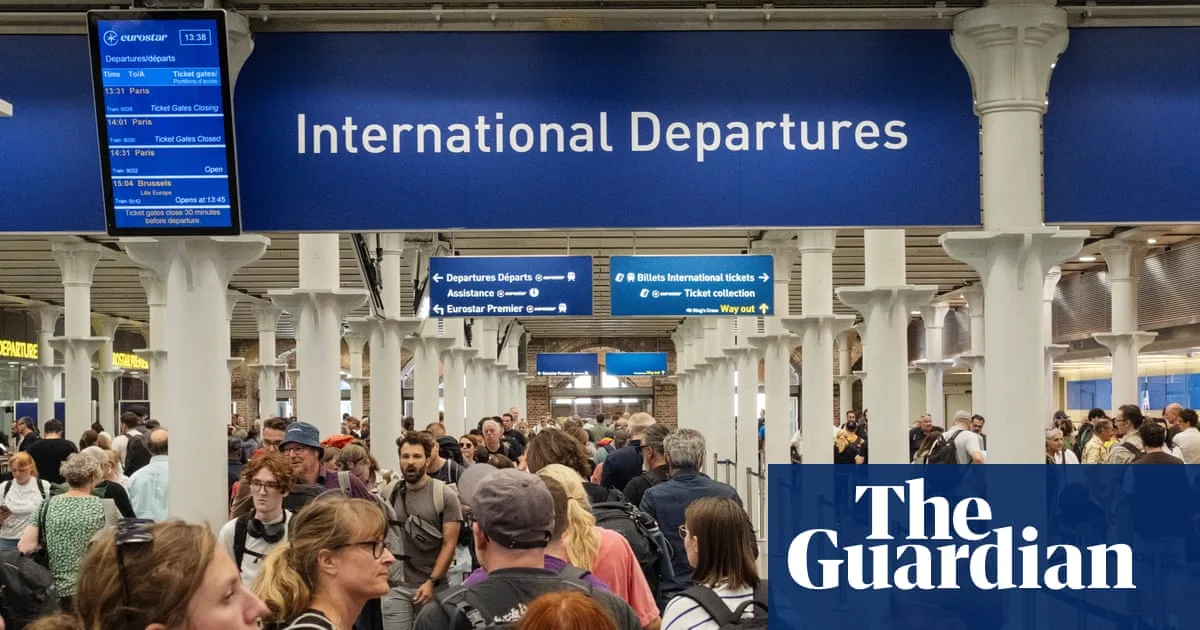
Fears of Easter travel chaos due to the EU's new entry-exit system (EES) have eased for cross-Channel passengers, as France has yet to provide the necessary biometric technology to Eurotunnel, Eurostar, and ferry operators. The EU had set a 10 April deadline for full implementation, requiring non-EU citizens, including Britons, to provide fingerprints and facial scans at the border.
Ports and operators confirmed that passengers on Le Shuttle, cross-Channel ferries, and Eurostar will not face biometric checks in the coming weeks. Instead, wet-stamping of passports will continue at French border controls located in England. Only lorry drivers, coach passengers, and ferry foot passengers—already checked since November—will undergo EES formalities.
Despite the delay, the EU's websites still state that biometric information is required after 10 April, and UK Home Office advice warns travellers to allow extra time. However, Eurostar and Eurotunnel advise passengers to arrive at their usual time. The phased rollout has caused delays at some airports, including Lisbon and Brussels, where hours-long queues have been reported.
Getlink, owner of Eurotunnel, has invested £60m in kiosks at Folkestone and Coquelles, while Eurostar spent £10m on automated kiosks at London St Pancras that remain unused. The Port of Dover has reshaped its layout for EES but awaits resolution of French technology issues. Eurotunnel stated that from 10 April, French border police will begin creating EES files but without biometric data collection.
European airlines and airports remain anxious, with trade bodies A4E and ACI Europe warning of increasing delays from Easter. Ryanair CEO Michael O'Leary called the system a 'shambles' and a punishment for Brexit, urging postponement until October. The EU has allowed border officials discretion to relax rules if queues build up, until at least the end of July.