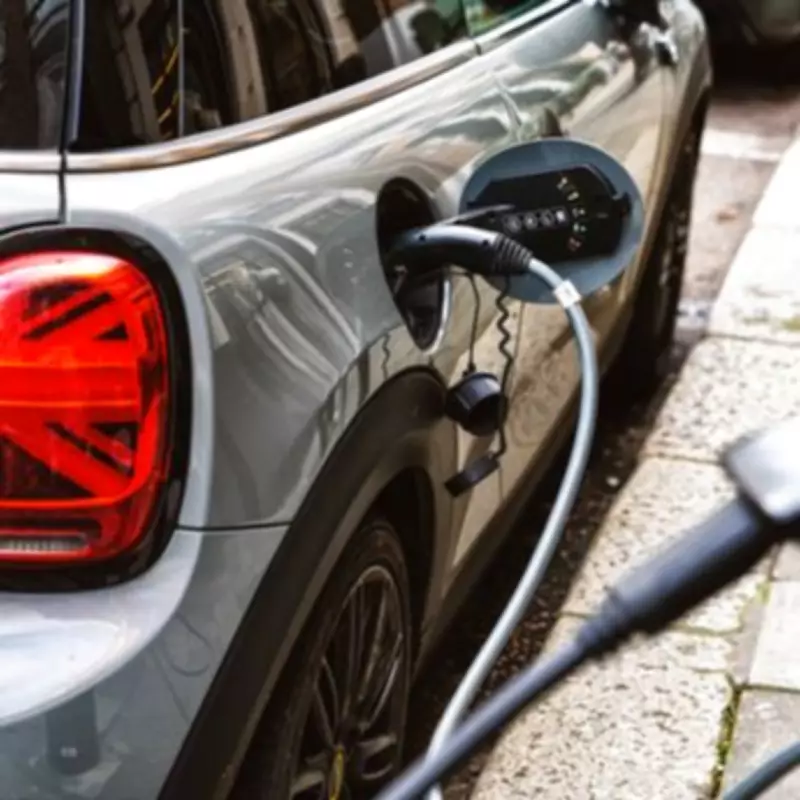
Electric Car Buyers Face Crucial April Deadline as Tax Changes Loom
Motorists considering purchasing an electric vehicle have been issued urgent advice ahead of significant Vehicle Excise Duty (VED) changes scheduled for April. Experts warn that new fees could amount to over £2,000, creating substantial financial implications for drivers across Britain.
The Expensive Car Supplement Threshold Shift
Confirmed in last year's Budget, a key alteration involves the Expensive Car Supplement (ECS) threshold for electric vehicles. This critical figure will rise from £40,000 to £50,000 starting April 2026, fundamentally changing the tax landscape for premium electric models.
Go Compare Motoring Expert Steve Ramsey explained the financial consequences to Reach: "The 'expensive car supplement' cliff edge means that, if your car costs over £40,000, you'll pay an extra £410, at current rates, for each of the next five years."

Ramsey emphasized: "That's over £2,000 extra that you don't pay on a car with a list price of £39,995. So, watch out, as just upgrading the trim on your new car could be very costly. And don't think negotiating a discount with the dealer will help, as it's the list price that counts, not the price you paid."
Broader Impact Across Vehicle Types
The changes extend beyond electric vehicles to affect petrol and diesel cars as well, particularly premium models. High first-year VED tax increases will apply on a sliding scale based on vehicle emissions data.
For example, vehicles producing between 226 and 225g/km of fuel will face annual road usage fees of approximately £4,850—representing a £170 increase from previous rates.
Exchequer Secretary Dan Tomlinson clarified the government's position: "Different rates apply to cars, vans, and motorcycles, and the rate for each vehicle is calculated according to a range of factors, such as its date of first registration, weight, or CO2 emissions."
Tomlinson added: "As announced by the government at Budget, from 1 April 2026, VED rates for cars, vans, motorcycles and heavy goods vehicles (HGVs) will be uprated in line with the Retail Price Index (RPI) in 2026-27."
Controversy Amid Rising Living Costs
The tax increases have sparked controversy as they coincide with escalating living expenses, mounting driving costs, and Britain's worsening pothole crisis. Collectively, these factors leave motorists feeling increasingly financially strained.
The changes particularly affect drivers of older vehicles, which often require more maintenance than newer models. In response, a Parliamentary petition has emerged advocating for a new VED tax band covering cars aged between 20 and 39 years.
The petition proposes a 50 percent "Transition to Historic" reduction in VED for these vehicles, arguing that this measure would encourage motorists to retain functional older cars rather than scrapping them—potentially yielding positive environmental outcomes.
The petition states: "Introduce a 50% VED reduction for cars aged 20-39. High taxes force functional vehicles to be scrapped, creating a 'disposable' culture. Keeping existing cars is greener than building new ones, as it preserves embedded carbon. This 'Young-Timer' bracket supports the circular economy and UK heritage."
Government Response and Future Considerations
On February 23, the Government responded to the petition, stating: "While there are no current plans to reduce VED for cars aged 20 to 39 years, the Government keeps all taxes under review, and the Chancellor makes decisions on tax policy at fiscal events."
As the April deadline approaches, motorists must carefully evaluate their vehicle purchasing decisions, considering both immediate costs and long-term financial implications of the revised VED structure.