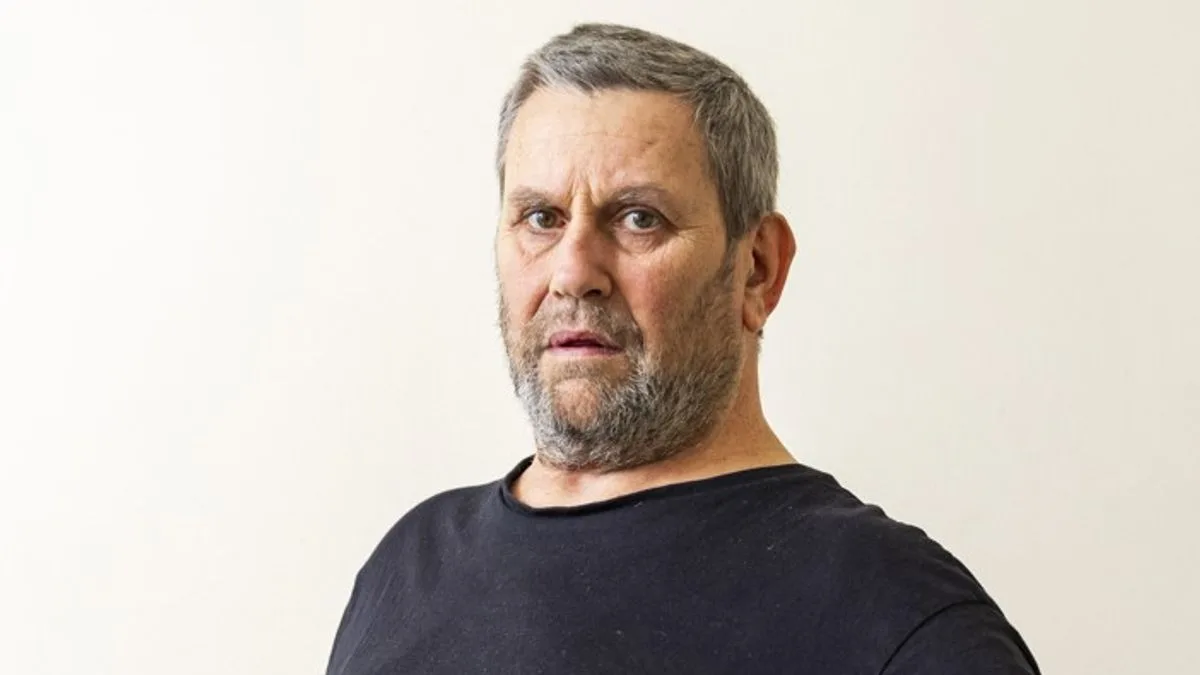
John Burden, a 61-year-old man from Weymouth, Dorset, says he has been left unable to live a normal life after developing a “watermelon-sized” hernia that the NHS has refused to operate on. He now relies on Universal Credit and Personal Independence Payments (PIP) to get by.
The Beginning of the Ordeal
John’s ordeal began in October 2022 when he woke up with a small golf ball-sized lump in his stomach. After being rushed to hospital, fluid was drained, and he was initially told to return once he had lost weight. Despite losing nearly 20kg, he claims he was repeatedly told by the NHS that he needed to lose more weight before surgery could be considered.
A Growing Problem
Over time, the hernia continued to grow, eventually reaching the size of a watermelon and leaving him reliant on XXXXL clothing to cover it. The condition has left him unable to work as a shop fitter or drive, forcing him to claim benefits.
Ruptures and Emergency Visits
In recent months, the hernia has begun rupturing, causing severe bleeding and repeated A&E visits, including one incident that required a blood transfusion. He claims he is still being told further weight loss is needed before surgery could be considered.
“It causes me pain at night, I can’t drive any more, and I haven’t been able to work in three years,” he said. “All I want is to have the hernia removed so I can get my life back.”
Fundraising for Surgery Abroad
John now believes his only option is to raise £4,500 for surgery in Lithuania. He says a specialist has agreed to treat him, including travel and accommodation costs. He first noticed the lump around three and a half years ago, shortly after recovering from pneumonia. After being admitted to hospital and having fluid drained, he claims he was told to return once he had lost weight, but says he was repeatedly turned away on follow-up visits despite his weight loss. John has since dropped around 20kg to 114kg, but says the condition has continued to worsen.
Emergency Blood Transfusion
In 2023, he became unable to work due to the condition and began claiming benefits. By late 2025, the hernia had grown significantly and began rupturing, leading to multiple emergency hospital admissions. He said: “I was projecting blood 10 feet across the floor. The ambulance came and they couldn’t stop it. I had to have a blood transfusion.”
Despite this, he claims consultants have not offered surgery. He says he was later sent for a liver scan, which came back normal, but received no further update.
NHS Guidelines on Weight and Surgery
According to one local NHS foundation trust's website, there are rules around surgery for people who are overweight. University Hospitals Dorset NHS Foundation Trust's website says: “People with a body mass index (BMI) over 30 have an increased risk of developing serious problems both during and after surgery. These problems include infection, delayed wound healing, increased pain, and increased risk of needing further surgery on the joint. The operation is often more difficult, and it may take longer to get back on your feet and return home. For people with a BMI of 40 or over, the risks increase further. Your surgery may need to be delayed until your BMI is below 40.”
A spokesperson for Dorset County Hospital NHS Foundation Trust said: “We’re not able to talk about individual cases due to patient confidentiality, but we would encourage Mr Burden to get in touch with our patient experience team so they can look into this on his behalf.”






