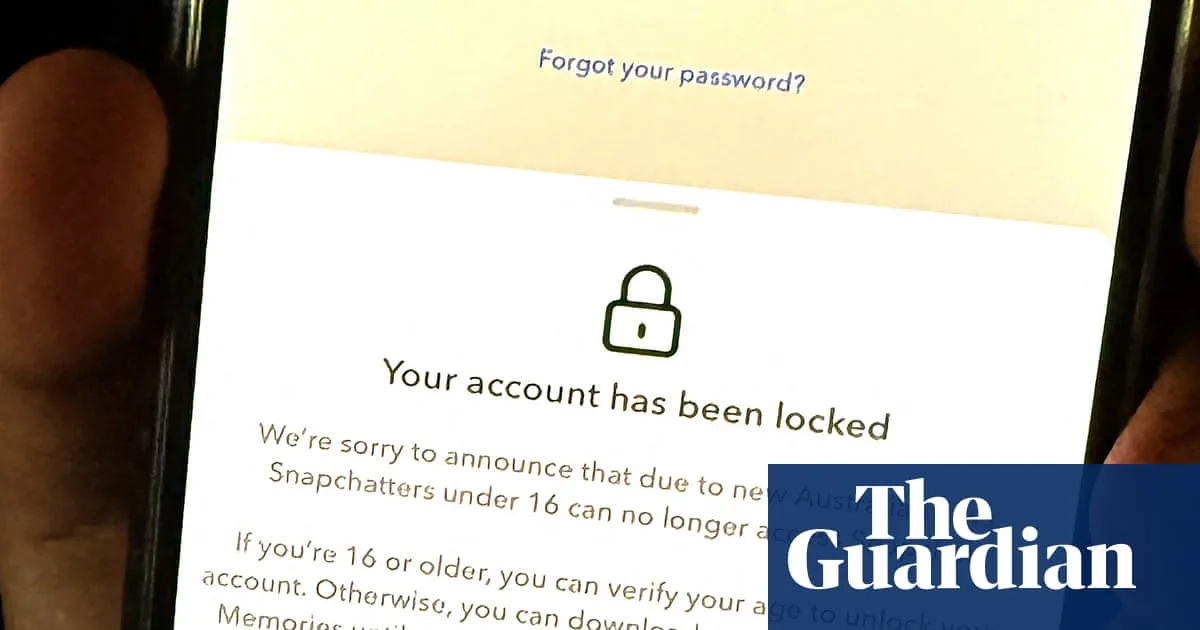
Australia's world-first social media ban for under-16s, which came into force on 10 December, has raised concerns that it may disproportionately harm young people with disabilities, cutting them off from vital support networks. Advocacy groups warn that while the law aims to protect children from online harm, it risks leaving vulnerable youth feeling more isolated.
Indy, a 14-year-old autistic teenager, said social media was her main way of socialising. 'I have autism and mental health things, it's hard making friends in real life for me,' she said. 'My online friends were easier because I can communicate in my own time. Without it I feel like I've lost my friends.' The ban, enacted just before the summer holidays, meant she lost contact with friends whose phone numbers she did not have.
The Children and Young People with Disability Australia (CYDA) described social media as 'often a lifeline for young people with disability, providing one of the few truly accessible ways to build connections and find community'. In a Senate inquiry submission, CYDA said cutting off access 'ignores the lived reality of thousands and risks isolating disabled youth from their peer networks and broader society'.
Isabella Choate, CEO of WA's Youth Disability Network, said young people with disability have been disproportionately affected. 'Losing access to community with no practical plan for supporting young people has in fact not reduced the online risk of harm and has simultaneously increased risk for young people's wellbeing,' she said.
Ezra Sholl, a 15-year-old Victorian disability advocate, said losing access would mean 'losing access to a key part of my social life'. He noted that many of his friends have evaded the ban through facial ID checks or because their accounts were not flagged. Father of five Dany Elachi, founder of the Heads Up Alliance which advocated for the ban, said his aim was to educate parents about harm, but acknowledged the debate had raised awareness.