
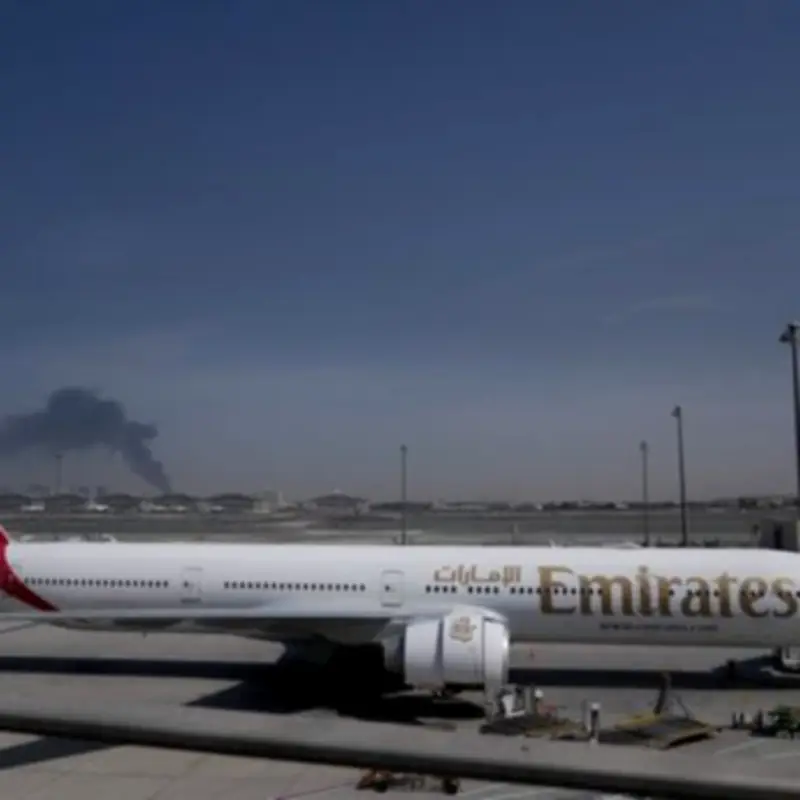
The United States and Iran have reached a peace agreement, confirmed by President Donald Trump and Pakistan's Prime Minister Shehbaz Sharif. According to The Mirror, the two nations have declared an immediate and permanent end to military operations on all fronts, including in Lebanon. President Trump announced the reopening of the Strait of Hormuz and the lifting of the US naval blockade on Iranian ports, urging, "Ships of the world, start your engines! Let the oil flow!"
How the Peace Deal Affects Travel
With the peace deal in place and potential changes to aviation routes in the Middle East, many travellers are questioning whether flight prices will decrease and if holidays to the region can proceed. Global flight prices have surged by 20% to 30% on average since the conflict began on 28 February 2026. Aviation fuel is a major cost for airlines, and rising oil prices often lead to higher airfares, particularly for carriers that have not hedged their fuel purchases.
Following the announcement, global oil prices dropped sharply as markets responded to prospects of renewed stability and the reopening of the Strait of Hormuz. Analysts suggest that lower fuel costs could benefit airlines in the coming months. However, travellers should not expect immediate fare reductions. If oil prices remain low, ticket prices on international routes may eventually stabilise, but airlines might not pass on all savings right away.
Flight Restrictions and Reopening of Destinations
The removal of flight restrictions is likely to affect travellers as destinations such as Dubai and Abu Dhabi reopen to visitors. Over recent months, major sections of central Gulf corridors and transit hubs experienced severe closures, limited operations, or required tight security corridors. A formalised peace deal paves the way for authorities to fully lift flight suspensions and bring travellers back to these holiday hotspots.
Nevertheless, fares will likely remain high until legacy Gulf airlines fully restore their flight networks and travellers regain confidence to book flights through the region. Demand may rebound quickly, but capacity will take time to recover. Graham Turner, CEO of Flight Centre Travel Group, told Travel Daily that he believes travel could rebound swiftly, including flights via the Middle East. He noted that seasoned travellers are already fairly comfortable flying through the region, but some remain nervous. Assuming the peace deal holds, Turner expects a major difference in travel confidence over the next few weeks.
When Will Fares Drop?
Turner thinks it will take time for fares to decrease. "Fares will not come down overnight; it will take a bit of time for the capacity to really come back and for the confidence of people flying via the Middle East," he said. Although fares probably won't drop immediately, airlines and holiday providers may start offering deals and incentives to hesitant travellers.
Despite the framework peace deal, the UK Foreign, Commonwealth and Development Office (FCDO) has not yet changed its warnings for the Gulf region. This means travel insurance may not be valid if you travel to a destination with an FCDO warning. The Financial Times reports that Emirates' president, Sir Tim Clark, is considering offering reasonably priced insurance to customers travelling to or through Dubai. Sir Tim stated that Emirates would arrange to fly people home, even using other airlines if needed, to reassure travellers worried about being stranded if conflict resumes.
Outlook for Travellers
The peace agreement is a significant step toward regional stability, but the aviation industry needs time to adjust. Airlines are still using expensive fuel and fixing disrupted schedules, so ticket prices probably won't drop right away. Even though better travel conditions and open airspace could help lower prices later, ticket costs are likely to stay high for now. Prices will only drop sustainably once airlines add more flights and travellers feel confident again.
To find good flight deals, keep a close eye on travel warnings and grab promotions or special prices as soon as warnings are lifted, since seats will likely fill quickly. If you are not ready to book yet, set up a flight alert to track fares and be ready to book when the time is right. As summer approaches, airlines rush to add more flights, but ticket prices usually rise once school holidays begin and families start booking popular destinations. With a tentative peace deal and oil prices still fluctuating, it is smart to book flights and holiday packages early to avoid price hikes and have more choices as demand increases.




