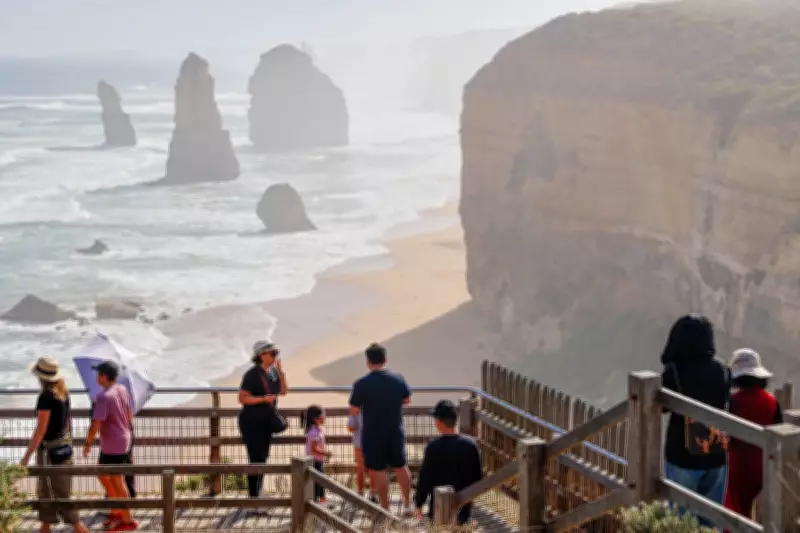
Victoria's Great Ocean Road to Implement Entry Fee for Twelve Apostles Site
In a significant move for tourism management, Victoria's iconic Great Ocean Road will introduce an entry fee for visitors to the Twelve Apostles starting in 2026. This decision, announced by local authorities, aims to address the growing pressures of mass tourism on this natural landmark. The fee is part of a broader strategy to ensure the long-term sustainability of the area, which attracts millions of tourists annually from across Australia and around the world.
Details of the New Entry Fee System
The entry fee will apply to all visitors accessing the Twelve Apostles viewing areas and associated facilities along the Great Ocean Road. While specific pricing details are yet to be finalized, officials indicate that it will be structured to balance accessibility with revenue generation. Expected to range from a nominal amount for day-trippers to higher rates for extended visits, the fee system will include concessions for local residents, students, and seniors to mitigate impacts on community access.
Revenue generated from the entry fee will be earmarked for critical conservation projects, including erosion control, habitat restoration, and wildlife protection efforts. Additionally, funds will support infrastructure upgrades such as improved parking, enhanced visitor centers, and better safety measures along the coastal cliffs. This initiative responds to concerns about environmental degradation and overcrowding, which have escalated in recent years due to the site's popularity.

Rationale and Expected Impacts
The introduction of the entry fee is driven by the need to manage visitor numbers more effectively and reduce the ecological footprint on the Twelve Apostles and surrounding Great Ocean Road region. Over-tourism has led to issues like soil erosion, littering, and disturbances to local flora and fauna, prompting calls for action from environmental groups and community stakeholders. By implementing a fee, authorities hope to encourage more responsible tourism practices while generating essential funds for preservation.
Tourism experts predict that the fee could slightly reduce visitor numbers during peak seasons, but overall, it is expected to enhance the visitor experience by reducing congestion and improving facilities. The move aligns with global trends where popular natural attractions adopt similar measures to protect their integrity. For example, other Australian sites like Uluru and the Great Barrier Reef have implemented fees or permits to support conservation, with positive outcomes reported in terms of environmental health and tourist satisfaction.
Community and Stakeholder Reactions
Reactions to the announcement have been mixed. Local businesses along the Great Ocean Road generally support the fee, citing potential benefits from improved infrastructure and a more sustainable tourism model. However, some residents and frequent visitors express concerns about increased costs and potential barriers to access, especially for families and low-income groups. Authorities have pledged to engage in ongoing consultations to address these issues and refine the fee structure before its 2026 implementation.
Environmental advocates have welcomed the decision, highlighting its potential to safeguard the Twelve Apostles for future generations. They argue that without such measures, the site risks irreversible damage from unchecked tourism. The fee is seen as a proactive step towards balancing economic benefits from tourism with environmental stewardship, ensuring that the Great Ocean Road remains a premier destination without compromising its natural beauty.
Looking Ahead to 2026 and Beyond
As Victoria prepares for the 2026 rollout, plans include public awareness campaigns to educate visitors about the fee's purpose and benefits. Monitoring systems will be established to track impacts on visitor demographics, conservation outcomes, and local economies. If successful, this model could be extended to other high-traffic areas along the Great Ocean Road, setting a precedent for sustainable tourism management in Australia's natural heritage sites.

In summary, the entry fee for the Twelve Apostles represents a forward-thinking approach to tourism on the Great Ocean Road. By prioritizing conservation and infrastructure, Victoria aims to protect this iconic landmark while enhancing the overall experience for all who visit. As details emerge in the coming years, stakeholders will closely watch its implementation to ensure it meets its goals of sustainability and accessibility.