As Europe faces overtourism, rising airfares, and new travel disruptions, savvy travellers are turning to lesser-known destinations that offer culture and beauty without the crowds or high costs. According to the Rome2Rio 2026 Travel & Mobility Trends Report, searches for smaller cities have increased by 35% globally, reflecting a shift towards more local and less crowded experiences.
Albania, Latvia, and Lithuania stand out with average short-term rental prices below €100 (£87) per night, according to PriceLabs data from Airbnb, Vrbo, and Booking.com. These countries also offer lower costs for food, museum tickets, and tourist taxes compared to Western European hotspots. Dinner for two at a smart-casual restaurant in these destinations typically costs between €50 and €70 (£43-£60).
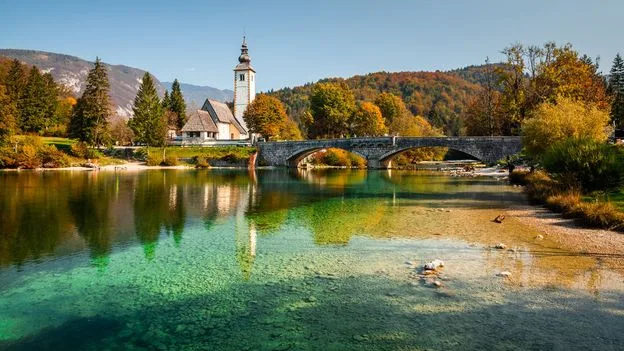
Slovenia is emerging as a top choice for its compact size and diverse attractions. Luxury operator Unforgettable Travel Company reports a 286% year-on-year rise in bookings to Slovenia, especially among active travellers. Charlotte Wells, the company's global director of product and operations, notes that Slovenia is about 15% more affordable than Austria and 25% more affordable than Switzerland, making it ideal for families seeking safety and accessibility.

Latvia offers a city break with cultural richness and a cooler climate, similar to Nordic destinations but at a fraction of the cost. PriceLabs places Latvia's average August room night at €93 (£80), compared with €186 (£160) in Denmark. Riga, the capital, is 34% cheaper than Berlin, 50% cheaper than Oslo, and 46% cheaper than Dublin, according to Expatistan.com.
Travel experts emphasise that these destinations provide the essence of popular European experiences without the hassle. Bryce Collins, founder of INTRO Travel, highlights Croatia's Korčula as an example, offering Venetian architecture and Adriatic coastline with fewer crowds than Dubrovnik. As travellers seek depth over distance, smaller European countries are becoming increasingly attractive for summer 2026.