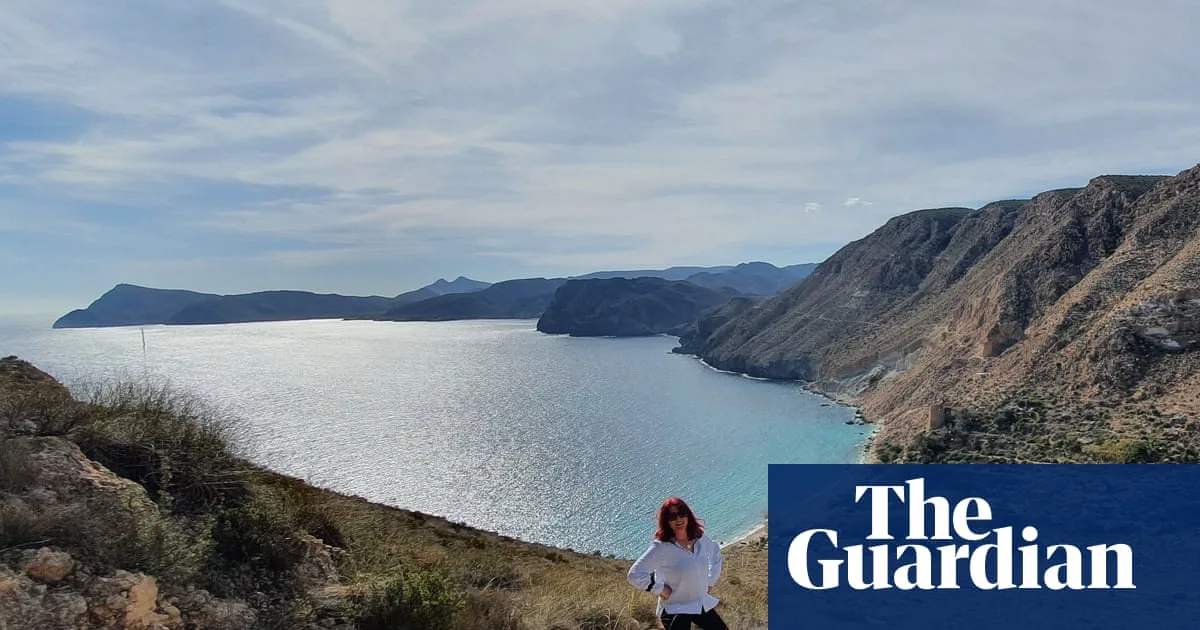
In the south-east corner of Spain, a strip of empty space along the Mediterranean coast remains untouched by mass tourism. Cabo de Gata-Níjar National Park, a protected haven of desert wilderness, offers a spectacular walking route of around 40 miles from the Cabo itself to the beach town of Agua Amarga. This park, saved from development by environmentalist Doña Pakyta, is a Unesco-protected biosphere.
The trek follows stony goat tracks, old mining routes and dirt roads connecting fishing villages, beaches and coves, many accessible only on foot. With little tourist infrastructure, especially off-season, the longest stretch without civilisation is about 10 miles. Navigation is simple: keep the sea on your right.
Starting at the Faro de Cabo de Gata lighthouse, the path offers stunning views of wildflowers, turquoise waters and barren mountains. The air is warm and scented with wild rosemary, lavender and sage. The first night’s stop is San José, a small town with palm trees and whitewashed buildings around a crescent bay, once home to Joe Strummer of the Clash.

San José transforms into a sleepy town out of season. The beachfront Hotel Doña Pakyta remains open all year, named after Francisca Torres Díaz, who protected the area from developers in the 1960s. She owned 3,300 hectares of land around San José and refused to let it be built upon, ensuring public access to her beaches.
The walk is best done at a leisurely pace over five days, allowing for swimming and exploration. It offers a rare chance to experience Spain’s empty coast, where the desert meets the sea, in a landscape that remains wild and unspoiled.