DWP Minister Confirms Serious Consideration of Early State Pension Access
In a significant development for retirement planning, a senior Department for Work and Pensions (DWP) minister has revealed that the Government is giving serious thought to proposals for early access to the state pension. This announcement comes at a critical juncture, as the eligibility rules for the state pension are poised for imminent changes, reshaping the landscape for millions of Britons approaching retirement age.
Minister Bell's Testimony to the Work and Pensions Committee
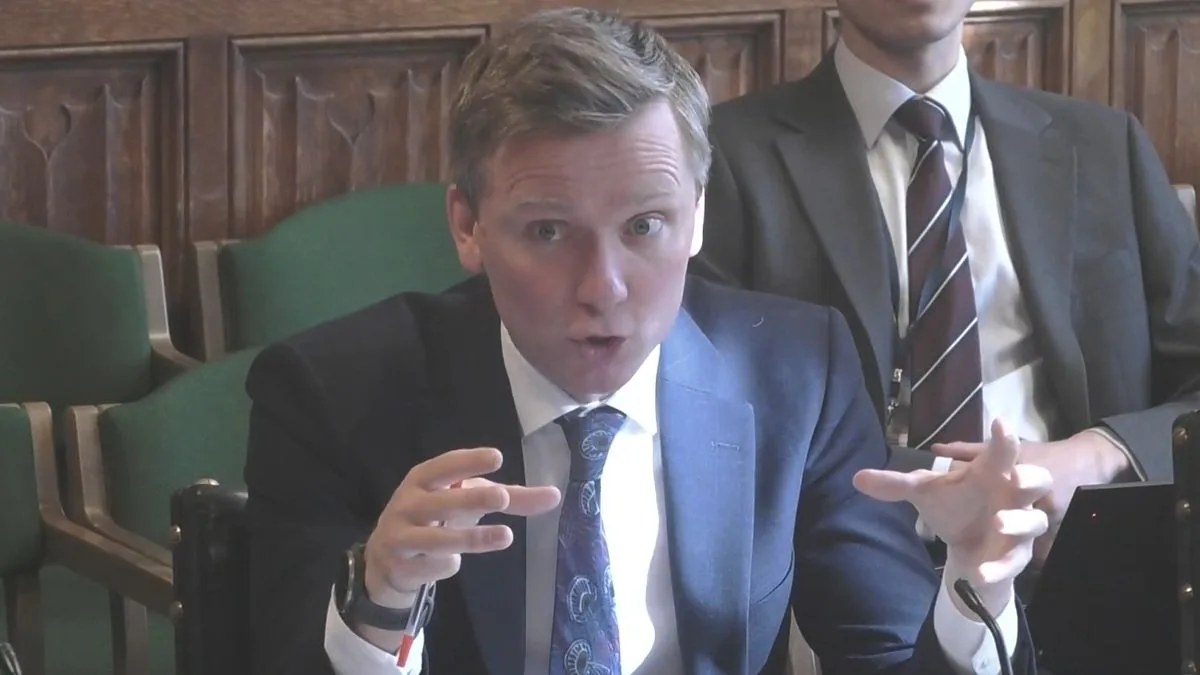
Pensions minister Torsten Bell recently addressed the Work and Pensions Committee, where he was questioned extensively about the future of the state pension system. One of the key topics raised by MPs was the notion of permitting early access to the state pension for specific groups of individuals. When asked for his perspective on this idea, Mr Bell responded with a clear and considered statement.
"It is a very good question, and I think we should take that seriously," he affirmed, highlighting that this issue underscores some of the "inequality challenges" inherent in the current state pension framework. He elaborated further, explaining the broader context of state support.
"You want there to be a state that is supporting people who are too ill to work, whether they are 25, 45 or 66. That is important to have in mind," Mr Bell noted. "We have chosen, for good reasons, to have a big difference in the level of income support provided to people over the state pension age and under it, in big-picture terms, because the work incentive issues are different and all the rest."
Focus on Terminal Illness and Inequality Challenges
Mr Bell specifically pointed to the idea of early access for individuals diagnosed with terminal illnesses as a pressing concern. He acknowledged the profound difficulties faced by those in such circumstances, stating, "People rightly raise challenges around how any of us would cope with the challenges of terminal illness, either for ourselves or in our family. I am sure you have heard versions of that."
However, he also introduced a nuanced consideration, observing that "some people's response to that is to allow early access to the state pension at particular ages—65 or 66—but there are 45-year-olds with terminal illnesses." This remark underscores the complexity of designing a fair system, with Mr Bell emphasizing that a key factor in evaluating early access proposals is the "characteristics" of the different individuals under consideration.
Upcoming Changes to State Pension Eligibility
The discussion on early access is set against a backdrop of significant changes to state pension rules. Currently, individuals can begin claiming their state pension at age 66. However, this access age is scheduled to increase starting in April 2026, rising incrementally to reach 67 by April 2028.
Looking further ahead, legislation is already in place for another increase, with the state pension age set to climb from 67 to 68 between 2044 and 2046. There has been ongoing debate about potentially accelerating this timeline, adding another layer of uncertainty for future retirees.
Financial Aspects and the Triple Lock
Amid these structural changes, the financial value of the state pension remains a critical focus. The full new state pension currently provides £230.25 per week. In a positive development for pensioners, payments are due to increase by 4.8 percent in April, thanks to the triple lock policy.
This policy guarantees that state pension rates rise each April in line with the highest of three measures:
- 2.5 percent
- The rise in average earnings
- Inflation
For those planning their retirement, the Government offers a state pension forecast tool on its official website, allowing individuals to check how much they are on track to receive based on their National Insurance record.
The Government's serious consideration of early access, particularly for vulnerable groups like those with terminal illnesses, marks a pivotal moment in pension policy. As eligibility ages rise and demographic pressures mount, these discussions will be crucial in shaping a fair and sustainable retirement system for all.






