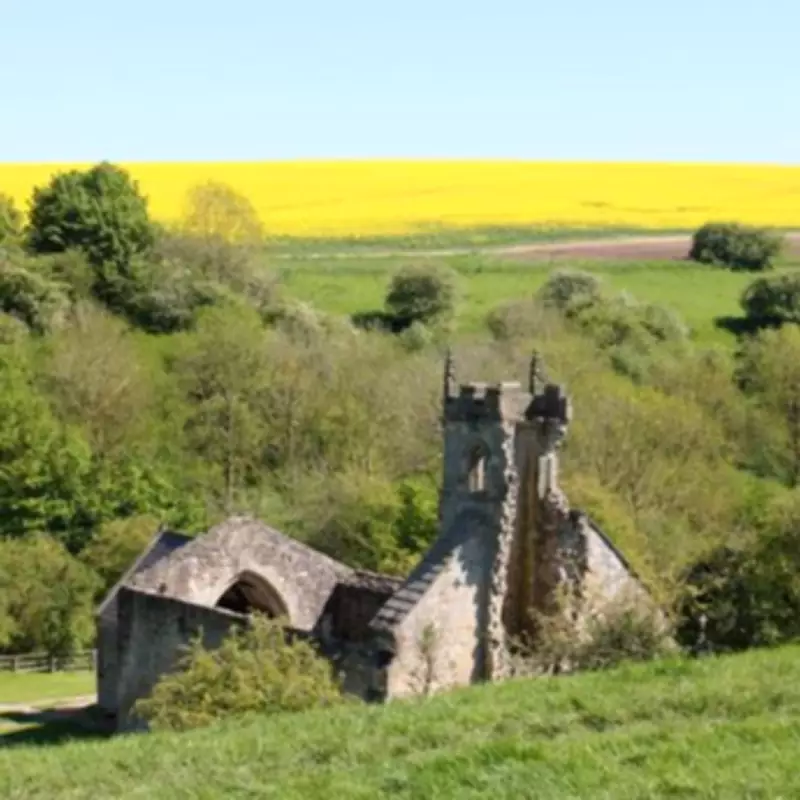
Wharram Percy: Britain's Premier Deserted Medieval Village
One of Britain's most renowned and extensively studied deserted medieval villages, Wharram Percy in North Yorkshire, has transformed from a forgotten settlement into a beloved destination for walkers and history enthusiasts. Despite its remote location and challenging terrain, this atmospheric site continues to attract visitors eager to explore its ancient ruins and uncover centuries of history.
A Journey Through Centuries of History
Wharram Percy stands as one of Britain's largest and most famous deserted medieval villages, featuring the well-preserved ruins of a church, manor house, and numerous dwellings that once formed a thriving community. The village was inhabited for approximately six centuries before being abandoned sometime after the 1500s, leaving behind a fascinating archaeological record.
Archaeologists have conducted extensive excavations over a remarkable 60-year period, uncovering valuable insights into why the settlement was eventually deserted and how its residents lived during medieval times. Their research reveals that the earliest settlement on this site dates back to around 50 BC, with the land later converted into farmland before falling into disuse in the 5th century and eventually evolving into a Middle Saxon settlement.

The Visitor Experience: Beauty and Challenge
Nestled on the edge of a picturesque Yorkshire valley, Wharram Percy offers visitors a unique opportunity to wander through history. The footprints of former houses remain visible in the earth alongside more prominent ruins, creating an evocative landscape that sparks the imagination. Perfectly positioned between the tourist hotspots of Scarborough Castle and Clifford's Tower in York, the village serves as an ideal midway stop for travelers exploring the region.
While admission to the village itself is free, visitors must navigate a challenging access route. The journey involves parking at a Heritage car park off the B1248 road, followed by a roughly three-quarter-mile trek to the main site. This path traverses fields and features steep, often muddy terrain that can be particularly difficult for those with limited mobility. The parking area itself has been described by visitors as a "sharp gravelled decline" that presents a "daunting" beginning to the experience.
Visitor Perspectives and Practical Considerations
Despite the physical challenges, visitors consistently praise Wharram Percy for its historical significance and atmospheric beauty. One enthusiastic visitor shared: "This lovely deserted medieval village is truly fascinating! The history is incredible, and it was wonderful to wander around and explore. We really lucked out and had beautiful weather, so we got to sit on the grass by the pond and soak it all in."
Another visitor noted: "Lovely walk from the car park to the site, but people with mobility issues may struggle. It's a fascinating historical site that has been really well managed. Only a few visitors when we visited, which added to the peace and tranquillity of the place. Loved it!"
Dog walkers particularly appreciate the location, with one commenting: "Great walk with the dog. Parked in the free car park and walked downhill on the path to a cow field. Crossed over into the fields of Wharram Percy. Lovely walk around and interesting to imagine how it once was all those years ago. The walk back was uphill and quite a trek. We really enjoyed it."
Practical considerations for visitors include a modest £2 parking fee and the understanding that the site's rugged terrain makes it generally unsuitable for wheelchairs or pushchairs. The return journey involves a significant uphill climb that requires reasonable fitness levels. Many visitors combine their trip with a visit to nearby attractions like the Stone Trough Inn for lunch, making it part of a broader Yorkshire exploration.
Wharram Percy's enduring appeal lies in its perfect combination of historical significance and natural beauty, offering a tangible connection to Britain's medieval past while providing a rewarding outdoor experience for those willing to undertake the challenging access route.