Major UK Banks Announce Widespread Branch Closures in 2026-27
In a significant move reflecting changing consumer habits, leading UK banks Lloyds, Halifax, and NatWest have revealed plans to shutter over 40 branches across the country between May 2026 and March 2027. This decision underscores a broader industry trend towards digital banking, with institutions emphasising alternative access points for customers.
Lloyds Bank Leads with Extensive Closure Programme
Lloyds Bank is set to close 95 additional branches during this period, reducing its total UK network to 610 locations once the process is complete. A spokesperson for Lloyds stated: "Customers want the freedom to bank in the way that works for them and we offer more choice and ways to manage money than ever before. From our leading apps and 24/7 messaging service to local banking options like our community bankers, PayPoint and access to all of our Lloyds, Halifax and Bank of Scotland branches, we're giving our customers the flexibility to bank wherever and whenever they need us."
The closures include branches in various towns and cities, with notable dates such as:
- Mitcham, Totnes, and Gillingham (Dorset) closed on January 8, 2026.
- Ammanford closed on January 12, 2026.
- Bideford and Fleet closed on January 13, 2026.
- Chester-le-Street, Ivybridge, and New Addington closed on January 14, 2026.
- Further closures scheduled throughout 2026, including locations like Thornbury Avon, Peterlee Yoden Way, and Birmingham Harborne.
Halifax Follows Suit with Nationwide Shutdowns
Halifax, part of the Lloyds Banking Group, is also closing numerous branches in 2026, attributing the move to increasing customer adoption of online banking. The bank commented: "When making changes to our branch network, we always look to understand the impact on our customers - including how they continue to access banking services. Because of this, we may sometimes have a Community Banker visit the area after the branch closes. Or as part of an independent review a Banking Hub or Deposit Service may be set up in a nearby location."
Halifax emphasised its commitment to regulatory standards and introduced co-servicing options, allowing customers to manage accounts across Halifax, Lloyds, and Bank of Scotland through digital platforms or in-person assistance. Closure locations include Middleton, Havant, London Wandsworth, Yeovil, Seaford, Deal, Hastings, Skipton, Horsforth, Thetford, Belfast Castle Court, Kendal, Gillingham, Birmingham Bearwood, Peterlee, Nelson, Camborne, and Buxton.
NatWest Joins the Trend with Strategic Closures
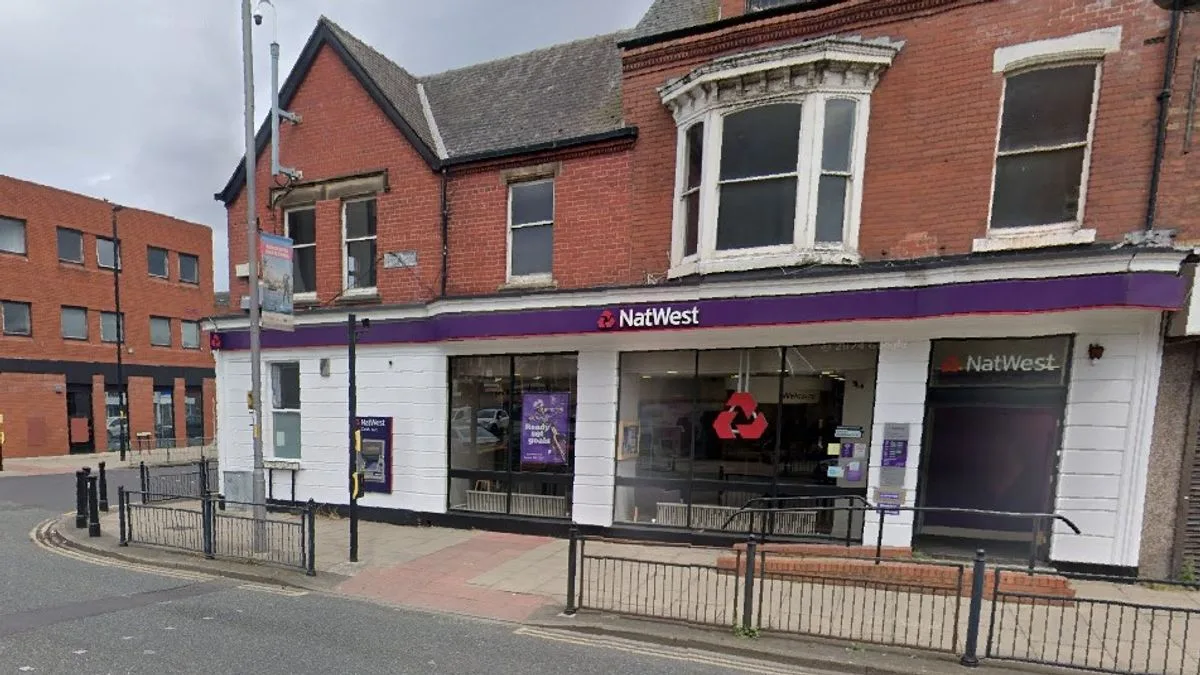
NatWest has announced plans to close four branches in London, two in Manchester, and several others nationwide in 2026. A spokesperson explained: "Our branch network is a central part of how we serve customers, and we continue to invest in this for the future, with an increase in our investment into branches planned over the next three years. However, how our customers choose to bank with us is changing, and our network and services need to reflect customer demand and ensure we are set up to deliver the best possible support."
The bank highlighted alternative services such as mobile branches, Community Banking Hubs, Post Office partnerships, and a free-to-use ATM network to mitigate the impact. Closure locations include Aldershot, Ashford Middlesex, Barnet, Boston, Brentwood, Eastcote, Godalming, Grays, Halifax, Harlow, Hartlepool, Hemel Hempstead, Herne Bay, Hornchurch, Hove, Kirkby Lonsdale, London Fulham Broadway, London Spitalfields, London Sydenham, London Tooting, London West End, Loughton Old Station Road Sainsburys, Manchester Cheetham Hill, Manchester Chorlton, Orpington, Palmers Green, Pontefract, Sheffield Attercliffe, South Shields, Southall, Waltham Cross, and Welwyn Garden City.
Industry Shift Towards Digital and Alternative Banking
These closures reflect a broader transformation in the UK banking sector, driven by rising digital adoption and cost-saving measures. Banks are increasingly prioritising online platforms, apps, and community-based services over traditional brick-and-mortar branches. While this shift offers convenience for many, it raises concerns about access for elderly or rural customers who may rely on in-person services.
Financial institutions assure that they are implementing measures like banking hubs and mobile units to maintain service accessibility. However, the trend suggests a continued reduction in physical bank presence across the UK, with customers encouraged to adapt to new banking methods.




