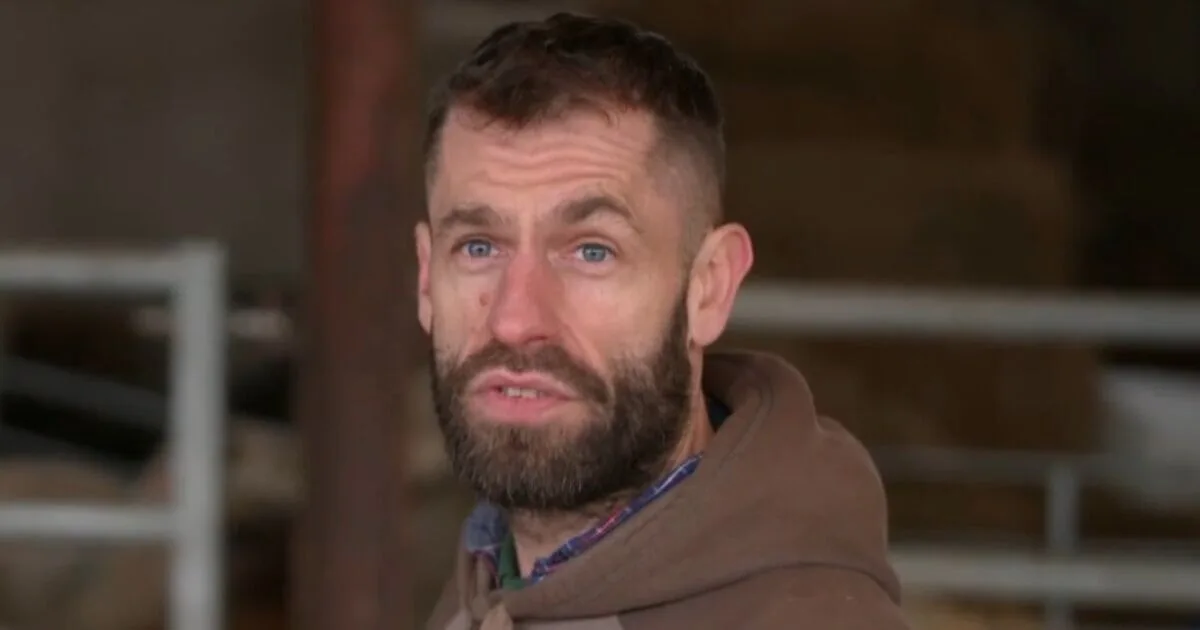
Kelvin Fletcher Confronts Critical Farm Crisis with Newborn Calf
In a dramatic turn of events on his Cheshire farm, television personality Kelvin Fletcher faced a heartbreaking agricultural setback that tested his resolve and farming expertise. The former Emmerdale star, who now stars in the ITV documentary series Fletcher's Family Farm, encountered a life-threatening situation involving a newborn calf during filming for the latest episode.
Unexpected Arrival Brings Immediate Concerns
The crisis began when Fletcher discovered his cow Ruby had given birth overnight to a heifer calf, marking what should have been a celebratory moment for the farm. However, the initial joy quickly turned to concern as Fletcher observed troubling behavior from the mother cow.
"I was a little bit alarmed at first," Fletcher confessed to cameras. "My first instinct was, it's a calf, and how long has it been there? As I got closer, I realised it was kind of just the afterbirth, and she's calm this morning."
The farmer noted the calf appeared to have been born recently, with evidence suggesting the birth had occurred just before his 8 AM check. What immediately concerned Fletcher was Ruby's behavior - the mother had wandered away from her newborn to get a drink, leaving the vulnerable calf unattended during those crucial first moments of life.
The Golden Window of Survival
Fletcher managed to coax Ruby back to her calf, and initially, there were positive signs as the mother began licking her newborn dry, establishing that essential early bond. "I've allowed for an hour or so for that bonding process," Fletcher explained. "She's been licking it. She's licked it dry. It's a heifer calf. Our first heifer calf."
However, the farmer emphasized the critical nature of the first six hours for newborn livestock. "Within about five or 10 minutes, it should be kind of lifting its head up, and then hopefully within half an hour, an hour, you want it to be stood up, really, and taking that first milk," Fletcher detailed. "That colostrum, that's the golden window."
Drastic Measures Become Necessary
The situation deteriorated when Fletcher observed Ruby repeatedly kicking her calf away whenever the newborn attempted to feed. This rejection behavior posed a serious threat to the calf's survival, as it needed to consume colostrum - the nutrient-rich first milk containing essential antibodies - within those first critical hours.
"This is exactly what I didn't want to happen," Fletcher admitted with visible concern. "She's just not letting the calf feed. Every time the calf gets close to the teat, she's just kicking her away."
Faced with this emergency, Fletcher took immediate action. He first borrowed colostrum from a neighboring farm to provide the calf with essential nutrients, then made the difficult decision to move both Ruby and her newborn to the barn, hoping the controlled environment would facilitate the bonding process that was failing to occur naturally in the field.
High-Stakes Agricultural Drama
After relocating the animals, Fletcher shared the gravity of the situation with viewers. "So, without sounding too dramatic, it's a massive danger that the calf has not had the colostrum in the time that it needed," he explained. "And over the next 24 hours, you can just nose-dive and, you know, we lose the calf. That's how serious it is, really."
Despite the emotional weight of potentially losing the newborn, Fletcher demonstrated remarkable resilience. "I will not be defeated," he declared, showcasing the determination that has characterized his transition from soap star to serious farmer.
Broader Farm Activities Continue
While this calf crisis unfolded, other farm activities continued as scheduled. The episode also features regular health checks for the farm's sheep flock, plus an excursion by Kelvin and his wife Liz to a ploughing show celebrating traditional farming skills, agricultural machinery, and rural life.
Fletcher's Family Farm continues to document the authentic challenges and triumphs of modern farming life, with this particular episode highlighting the unpredictable nature of livestock management and the emotional investment required in agricultural work.