Martin Lewis says 'cancel' as rule makes flights more expensive. The Money Saving Expert has explained why you could pay a lot more.
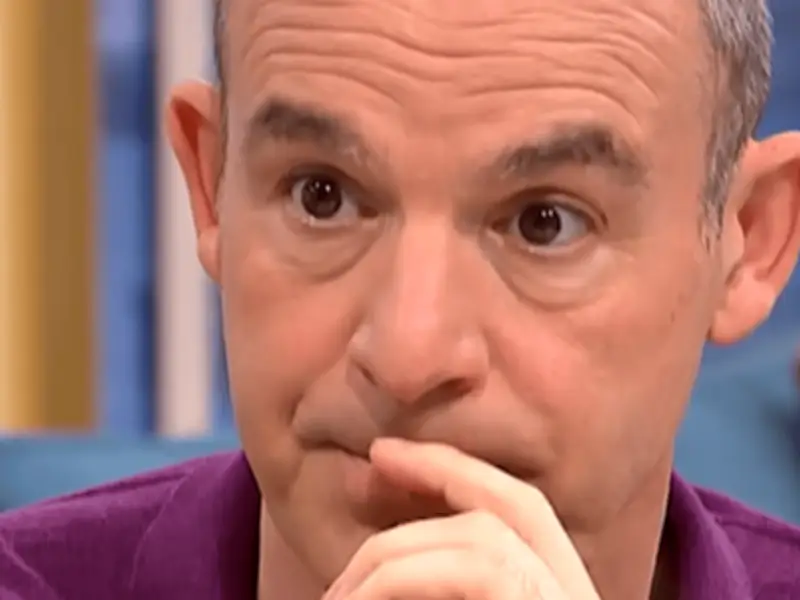
Most people assume that booking a flight early means securing the best price. But Martin Lewis, founder of MoneySavingExpert, says that assumption no longer holds — and in a clip shared on the official This Morning TikTok account, he explained exactly why dynamic pricing has changed the rules and what travellers can do to protect themselves.
The conversation was prompted by a viewer who had booked a return business class flight to Bangkok with British Airways in January, paying £4,200 to fly in December. By the time the clip was recorded the same flights were available for £3,300 — nearly £1,000 cheaper. British Airways told the viewer it was simply part of dynamic pricing and there was nothing to be done.
Martin sympathised but was honest about the reality. "There's always this assumption, isn't there, that the earlier you book something, the cheaper it is. That just isn't the case," he said. "Five or six years ago I would have said it usually is, but it depends. If you're on a packaged holiday type, then late booking if you've got flexibility has always been the cheapest way. But when it comes to scheduled airlines, booking early is the safest way to book and to assure that you'll get a seat and to assure that prices won't be prohibitive."
He was clear that booking early is about security rather than guaranteed savings. "You could have had the opposite. It could have gone up from £3,300 to £12,000 now and it would have been unaffordable. But there's no guarantee it won't get cheaper. It's safer. But you can't look back with hindsight," he said.
On what to do about it, Martin pointed to one practical solution. "One of the things I always advise people to do is if you can find a flight that gives you flexible booking with free cancellation — same with booking hotels, same with booking car hire abroad — if it's not prohibitively more expensive, do so," he said. The reason is straightforward. Dynamic pricing means prices can go both up and down after booking, and free cancellation gives travellers the option to rebook at a lower price if one emerges. "I have loads of people say on car hire who bought the car hire early, two weeks before they go, they check the price, find it's half the price because they've got free cancellation. They book the new car hire, cancel the old one, then they save the money," Martin explained.
'Don't check'
For the viewer who had already booked without free cancellation, Martin was sympathetic but realistic. "Your ticket was probably cheaper because you didn't get free cancellation. That is dynamic pricing," he said. His final piece of advice for anyone in a similar position was simple. "If you're in that situation, got a flight at the price that you can afford, is don't check again."
The key takeaway from Martin's advice is that the old rule of booking early to get the cheapest price no longer reliably applies for scheduled airlines. Prices fluctuate based on demand and there is no way to predict with certainty whether a fare will rise or fall. The most sensible approach is to book when a price feels affordable, opt for free cancellation where the cost difference is not significant and check back closer to travel to see if a better deal has emerged.
A spokesperson for travel experts Ski Vertigo said: "A lot of travellers book early assuming they are locking in a good deal, but as Martin points out the picture is more complicated than that now. Where possible, always try to book with a cancellation option — it costs a little more upfront but gives you room to manoeuvre if prices drop. For peak season travel, booking early still makes sense to secure availability. And package holidays are worth comparing before booking independently — if a flight gets cancelled or something goes wrong, the protection that comes with a package can make a real difference."