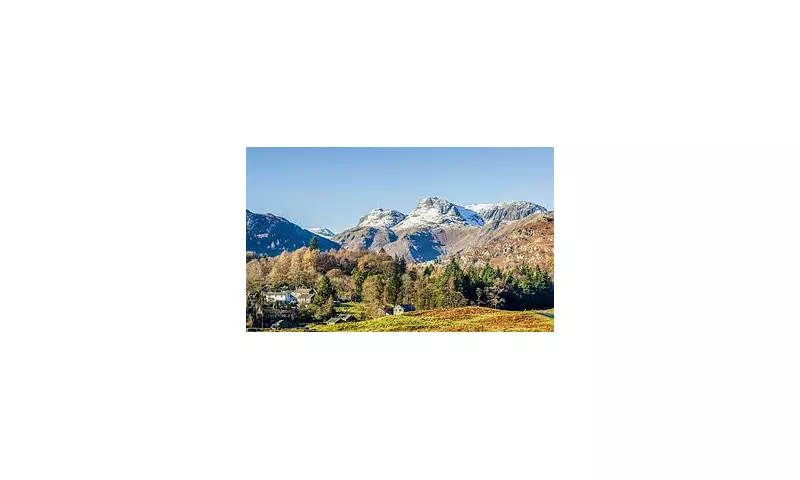
Plans to install commercial zip wires in the heart of the Lake District, mere moments from Beatrix Potter's cherished former home, have ignited fierce opposition from conservation groups and local residents alike.
The proposed development, targeting a wooded valley near the picturesque village of Near Sawrey where the celebrated author wrote many of her beloved tales, would see visitors flying through the air on high-speed wires above the tranquil landscape that inspired generations of children's literature.
Conservationists Sound the Alarm
Heritage organisations and environmental campaigners have voiced profound concerns about the impact such installations would have on the area's natural beauty and wildlife. The Lake District National Park Authority, while acknowledging the need for sustainable tourism, faces growing pressure to reject what opponents describe as "inappropriate commercialisation" of protected landscape.

Local residents have expressed worries about increased traffic, noise pollution, and the fundamental transformation of their peaceful community into what one campaigner called "an adventure playground."
Beatrix Potter's Legacy at Stake
The shadow of Beatrix Potter looms large over the controversy. Hill Top, the 17th-century farmhouse she purchased with earnings from her first Peter Rabbit books, stands as a permanent testament to her deep connection with the Lakeland landscape. Conservationists argue that the proposed development fundamentally contradicts the preservation ethos Potter herself championed.
"This was the landscape that inspired some of the most cherished children's literature in the English language," noted one heritage campaigner. "To introduce screaming zip wires through this same scenery feels like a profound betrayal of that legacy."
Tourism Versus Preservation Debate
The controversy highlights the ongoing tension within Britain's national parks between encouraging tourism and preserving natural heritage. While proponents argue such attractions bring vital economic benefits to rural communities, opponents question whether thrill-seeking activities belong in landscapes designated for their natural beauty and cultural significance.
As planning authorities weigh the application, the battle for the soul of this iconic English landscape continues, pitting commercial interests against conservation values in one of Britain's most treasured national treasures.