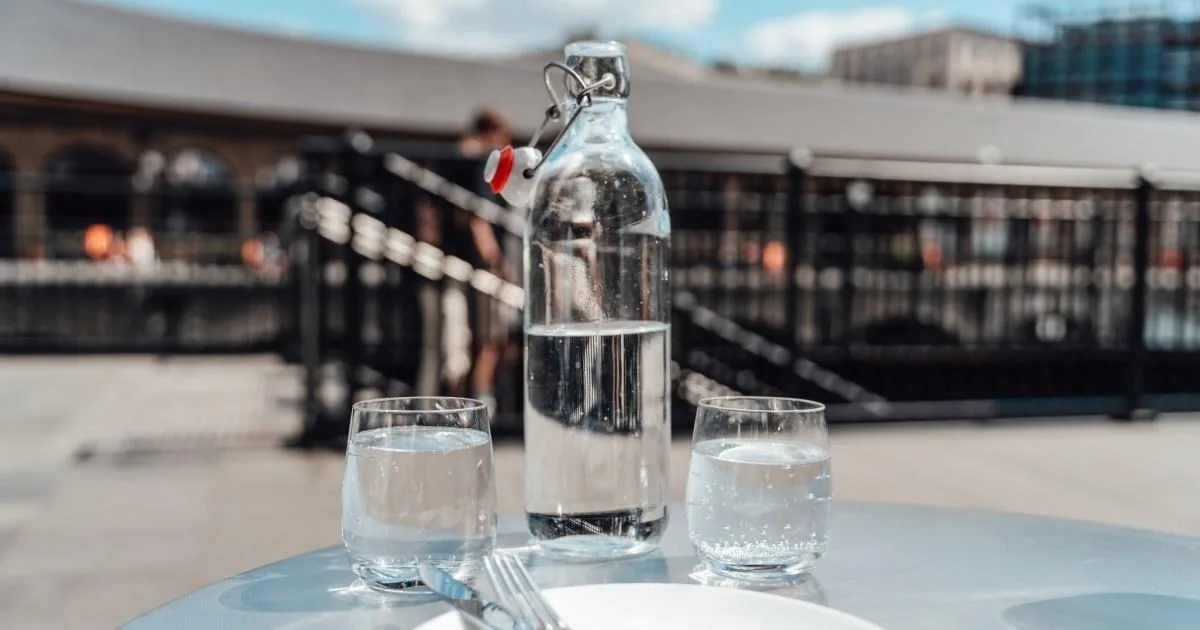
A tourist's request for free tap water at a hotel in the Italian Dolomites has led to a landmark legal ruling. In 2019, a woman staying at a five-star hotel in Corvara, Badia, on a half-board basis repeatedly asked for tap water with her evening meal, even offering to pay. Her requests were refused, and each night a €7 bottle of mineral water was placed on her table. She argued that water is a natural resource and a human right, and sought €2,700 in compensation for economic damage and emotional distress. However, Italy's top court dismissed her claim, ruling that serving tap water is not a consumer right.
In contrast, licensed venues in England and Wales are legally required to provide free drinking water upon request. Across Europe, there is no EU-wide law mandating free tap water in restaurants or hotels, though some countries enforce it through national legislation. For example, French public health laws require bars, restaurants, and cafes to serve a carafe of tap water if explicitly asked for 'une carafe d'eau'. Simply asking for 'water' may result in bottled water being served.
Europe generally has high-quality tap water, governed by the European Commission's Drinking Water Directive. Nineteen of the top 20 countries for sanitation and drinking water are European, with Japan as the only exception. Finland, Iceland, the Netherlands, Norway, Switzerland, and the UK scored a perfect 100 points for protecting human health from unsafe drinking water. However, water purity varies: Moldova (50 points), Georgia (51.7), and Albania (54.1) scored lowest, while Latvia, Lithuania, and Romania also ranked poorly. Belgium, Germany, Luxembourg, and Czechia have some of the most polluted groundwater.
Drinking tap water is both economical and environmentally friendly. The European Commission estimates that better water quality could reduce bottled water consumption by 17%. Christophe Hanson, MEP for Luxembourg, noted that for the price of a bottle of mineral water, you could receive almost 700 litres from the tap. However, local issues can arise; last summer, the French region of Saint-Louis imposed a ban on tap water until December 2025 after tests revealed PFAS 'forever chemicals' at four times the recommended limit.