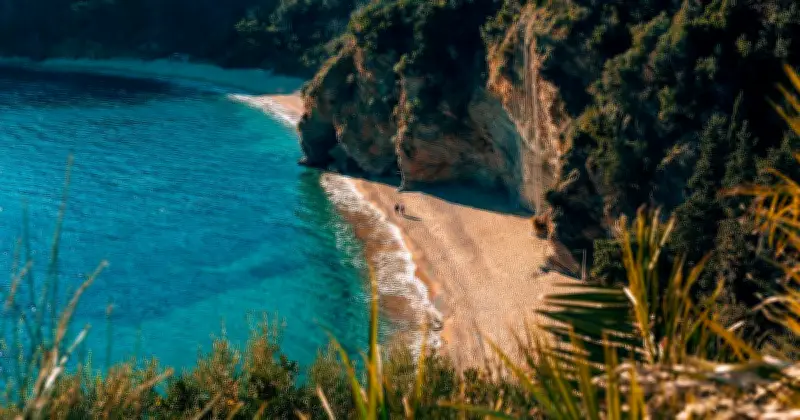
Many Brits will be flocking to Europe’s beaches in the next few weeks, often heading to favourites such as the Costas in Spain or Greek islands. But the best beach in Europe has been revealed in a new index, and surprisingly it’s in a country that gets a fraction of the visitors of Mediterranean destinations such as Italy. While it offers sandy shores and twin coves, many Brits won’t have heard of this sun-drenched location.
Mogren Beach Takes the Crown
The index, put together by Quotezone.co.uk, looked at beaches across European holiday destinations, taking into account factors such as temperature, average hotel costs, the price of beer, and reviews from visitors. Coming in at number one, beating perennial favourites such as Nissi Beach in Cyprus and Praia da Falesia in Portugal was Montenegro’s Mogren Beach.
Montenegro is becoming a more popular tourist destination as people look for off-the-beaten track alternatives to overcrowded Med destinations, and with less than three million visitors a year, there’s less chance of needing to fight for a sunbed. Set on 350-metres of Adriatic coastline, the beach is split into two separate coves, connected by a bridge or a tunnel through the caves. The coast has tiny pebbles, and is set around peaceful bays where the water is calm and clear, almost turquoise in colour, looking like something from the Caribbean rather than Europe.
Location and Nearby Attractions
The beach is on the outskirts of Budva, sometimes called the party capital of the Balkans, although it tends to be quieter than the beaches close to the city. Here, you can simply hire a sunbed and umbrella, and enjoy a peaceful swim. If you prefer a livelier spot, head to Beach Greco, just a short walk from Budva’s city centre. This long stretch of beach has a busy harbour at one end and a promenade with restaurants and bars. You can take a boat tour, hire a jetski, or try lots of different water sports.
Take a stroll to the 2,500-year-old walled Stari Grad - or old town - which is set on a peninsula. A lot of it was destroyed in an earthquake in the 1970s, so don’t expect all the buildings to be authentic. However, it still has old libraries, churches, and rustic stone homes.
Affordable Costs
Montenegro also cinched the title thanks to its relatively inexpensive costs compared to classic holiday destinations. Staying close to Mogren Beach averages just under £195 for three nights, while beers can be enjoyed for around £1.50.
Previous Winners and Runners-Up
Previous winner, Nissi Beach in Cyprus, was knocked off the top spot by Montenegro, but retained second place. It scored highly for water quality and warm sea temperatures, which reached about 27C in the summer. However, its average cost of £318.85 for a three-night stay saw it lose the number one ranking. In third place was Playa de Maspalomas in Gran Canaria, a three-mile stretch of beach that connects to a huge nature reserve of sand dunes. The destination was praised for its reliable-year round sunshine including average temperatures in July of 27.8C.
Expert Commentary
Helen Rolph from Quotezone, discussing the 2026 European Beach Index, said: “This year’s results show Montenegro leading the way, with Mogren Beach outperforming many of Europe’s more established destinations thanks to its warm conditions, striking Adriatic coastline and some of the lowest overall costs. Cyprus and Spain continue to perform strongly with consistently high temperatures and excellent visitor ratings, but higher demand and holiday costs mean they sit just behind Montenegro in this year’s index. In many cases, popularity could be pushing up prices, making them less desirable for a budget-friendly trip.”