Berlin's Israeli-Palestinian Restaurant Kanaan to Close, But Story Lives On in TV Series
Berlin's Kanaan Restaurant to Close, TV Series Planned

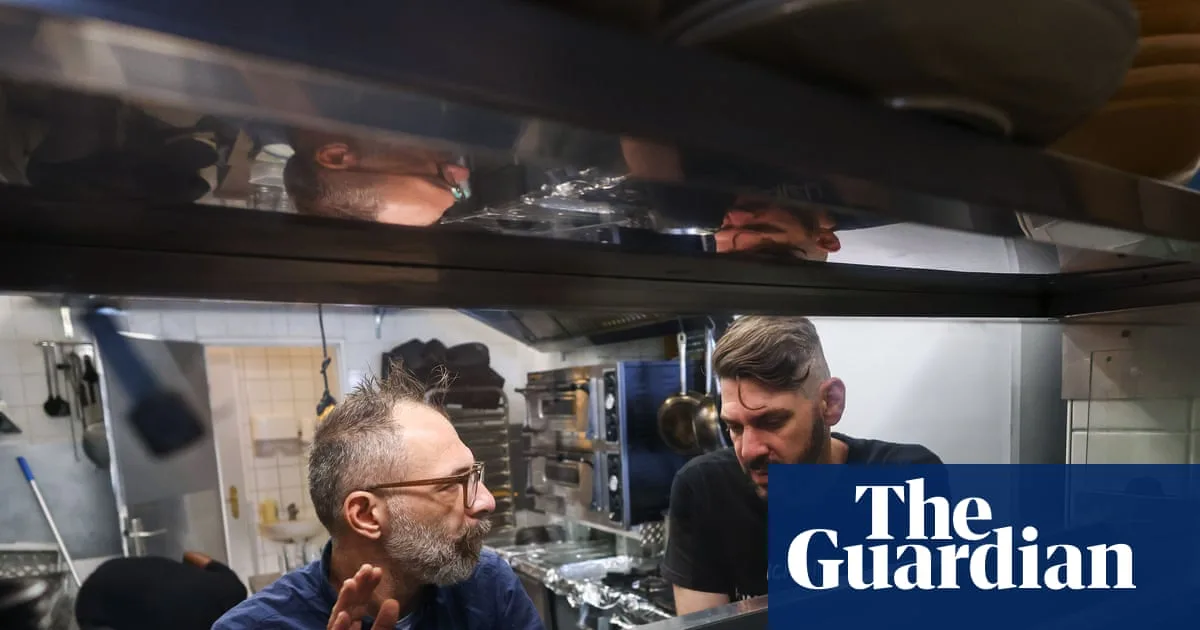
The celebrated Israeli-Palestinian restaurant Kanaan in Berlin, long hailed as an "island of peace" and a symbol of dining across deep political divides, will close its doors permanently this spring. Owners Oz Ben David and Jalil Dabit have confirmed the establishment will likely cease operations in March, citing a challenging combination of economic factors, German bureaucratic hurdles, and the increasingly fraught political environment surrounding the Middle East conflict.

From Dining Table to Television Screen

While the physical restaurant will shutter, its powerful story of collaboration between an Israeli and a Palestinian entrepreneur will continue through a new medium. German production company Traumfabrik Babelsberg has announced plans for a miniseries based on Kanaan's remarkable journey, titled Breaking the Binary. Described as a politically charged "dramedy" with stylistic echoes of the acclaimed American series The Bear, the show will explore the complex realities faced by the two protagonists as they navigate social expectations, economic pressures, and personal contradictions.

A Decade of Culinary Diplomacy

Founded in 2015 in Berlin's Prenzlauer Berg district, Kanaan (German for Canaan) became an international symbol of "unity over hate," particularly gaining prominence following the 7 October attacks on Israel by Hamas and the subsequent outbreak of the Gaza war. The restaurant's multi-ethnic team served innovative remixed specialities like shakshuka lasagne under the memorable slogan: "Make Hummus Not War."

The 120-seat establishment evolved from a neighbourhood favourite into a potent emblem of cross-cultural understanding, attracting attention at the highest levels of German society. Germany's President Frank-Walter Steinmeier invited the owners to his Berlin palace in late 2023 to discuss how best to address local tensions sparked by the Middle East conflict.

Challenges and Support

Kanaan's journey was not without significant difficulties. The restaurant premises were ransacked in 2024 after hosting a queer Jewish-Muslim brunch, and the owners faced persistent anonymous threats. Berlin Mayor Kai Wegner visited the restaurant soon after the attack during its regular drag brunch, calling Kanaan "exemplary" in its efforts to bridge seemingly intractable divisions. An online fundraising campaign to help rebuild following the vandalism drew nearly €30,000 (£26,000) in support.

Ben David used the occasion of the presidential meeting to critique Germany's often hardline approach to pro-Palestinian rallies and expressions of support for the Palestinian people, highlighting the complex political landscape in which the restaurant operated.

The Decision to Close

Speaking to the Guardian, Ben David explained the reasoning behind the closure, noting that patrons increasingly sought dining experiences without political connotations. "People say: 'Unless we have a good reason to go out from the house and to spend some money, we want to do it in some quiet Italian place, a Japanese place, without the whole story behind it,'" he said, describing a "political overdose" among customers regarding the Middle East conflict.

Dabit, speaking from Ramla, a mixed Israeli city of Arabs and Jews, described the impending closure as "bittersweet." He reflected: "It was hard but after I talked with Oz we understood it is the best thing to do. It's like if you have a child and release him to the world – it's a good thing."

Creative Collaboration Continues

Both owners are actively involved in shaping the television series that will preserve their story, contributing to writing and character development. The production will feature notable participants including author and journalist Mirna Funk, born in East Berlin to a Jewish father and non-Jewish mother; Arab-Israeli actor Yousef Sweid, known for roles in Game of Thrones and Unorthodox; and screenwriter and director Thomas Mielmann.

Ben David views this transition as a new beginning rather than an ending, with plans for a Germany-wide cooking tour beginning in April alongside the television project. "It's no longer (just) a story of Israelis and Palestinians but about people who disagree and still can dream and envision something together," he said. "Hopefully we will reach more hearts."

The closure of Kanaan's physical space marks the end of one chapter in Berlin's culinary and cultural landscape, but the restaurant's message of mutual understanding and collaboration will continue to resonate through television screens across Germany and potentially beyond, transforming a local dining establishment into a narrative with broader relevance about coexistence in divided times.