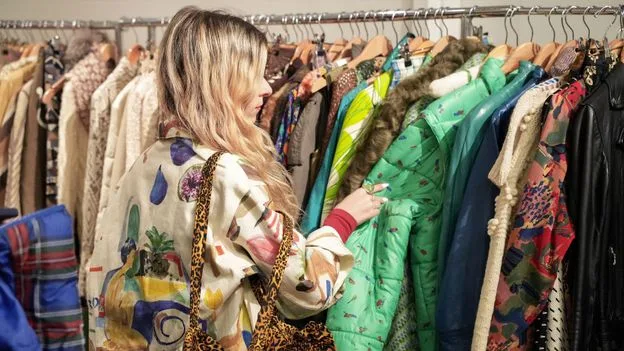
The second-hand clothing market is booming in the UK and US, driven by younger consumers and celebrity endorsements, yet most companies in the sector are struggling to make a profit. According to a report by ThredUp, the online second-hand fashion retailer, 67% of UK millennials shop second-hand, and two in five items in Gen Z's wardrobe are pre-owned. The market is projected to double to $3.5bn (£2.76bn) by 2027.
Despite the growth, major players like ThredUp and The RealReal remain unprofitable, disappointing investors. Poshmark was acquired for one-sixth of its IPO valuation, while Vinted posted a pre-tax loss of €47.1m in 2022 and Depop lost £59m in 2023. Only Vestiaire, a luxury resale platform, may achieve profitability by the end of the year.
The economic challenges stem from an oversupply of low-quality clothing, driven by ultra-fast fashion. A 2023 study found that a large Swedish charity must incinerate 70% of donated clothes due to poor quality. In Ghana, a major recipient of second-hand fashion, 40% of imported bales end up as waste. Labour-intensive processing further drives up costs.
Liz Ricketts of The Or Foundation notes that reuse requires human assessment of individual items, making it costly. To cope, some firms are changing their acquisition models: ThredUp now charges consumers and brands to process their old clothing, while others are exploring alternative strategies.