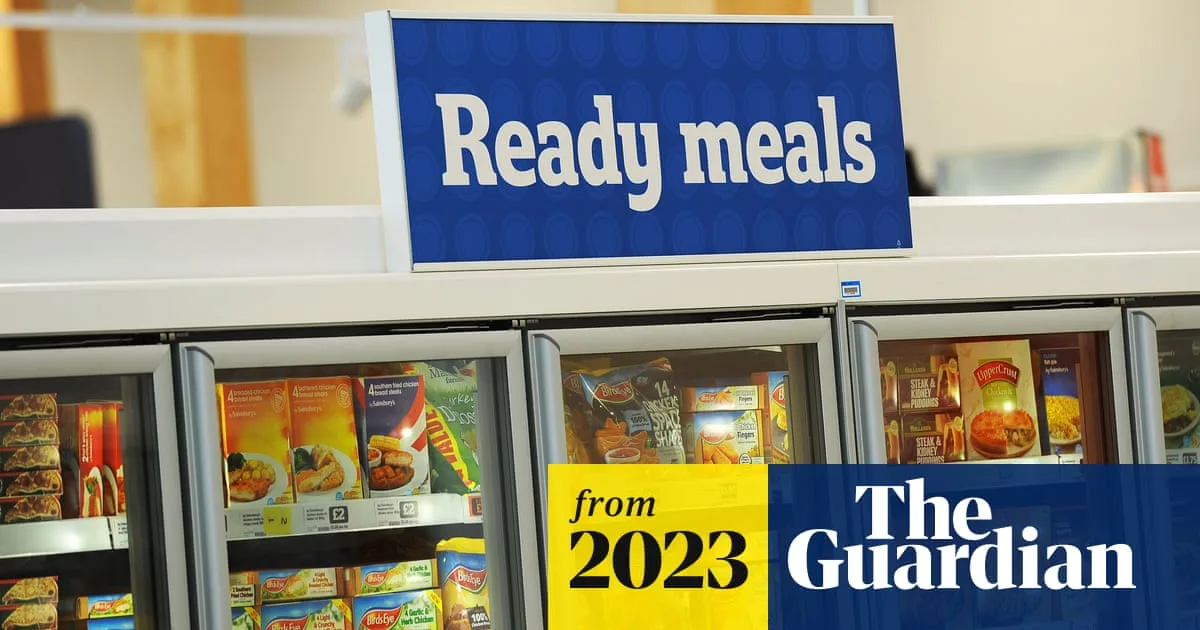
British shoppers are increasingly turning to frozen food as they seek to reduce spending amid the cost of living crisis, according to retail data from Kantar reported by the BBC. Food price inflation in the UK reached 18.2% in February, the fastest rate since 1977, driven by high energy costs and vegetable shortages due to poor weather in Europe.
Frozen food volumes remained steady in the 12 weeks to 20 March, while total grocery volumes fell by 4%, the data showed. Sales of frozen chicken rose by 5.9%, and frozen prepared foods such as ready meals, pizzas and chips increased by 2.6%. Fraser McKevitt, head of retail and consumer insight at Kantar UK, told the BBC that frozen food is doing “notably better” than fresh, partly due to the cost of living.
A separate survey of 2,000 British adults by Opinium on behalf of receipt-collecting app Zipzero found that a quarter of shoppers are buying more frozen food. Additionally, 30% are buying more from the reduced section of supermarkets, and 21% are purchasing less meat and fish. Mohsin Rashid, Zipzero’s chief executive, said: “Sky-high food inflation has invariably shifted consumer habits. Out of necessity, Britons have been forced to drastically change where they shop.”
The frozen food specialist Iceland has also gained market share, increasing it to 2.3% of UK grocery spending in the 12-week period, Kantar reported.